
Cuba Autumn Travel Guide: 5 Top Destinations Beyond the Beach from Havana to Viñales
Discover Cuba beyond beach resorts this autumn. Explore Havana, Viñales, Trinidad, Cienfuegos, and Varadero with essential weather, fuel, and travel planning guidance.

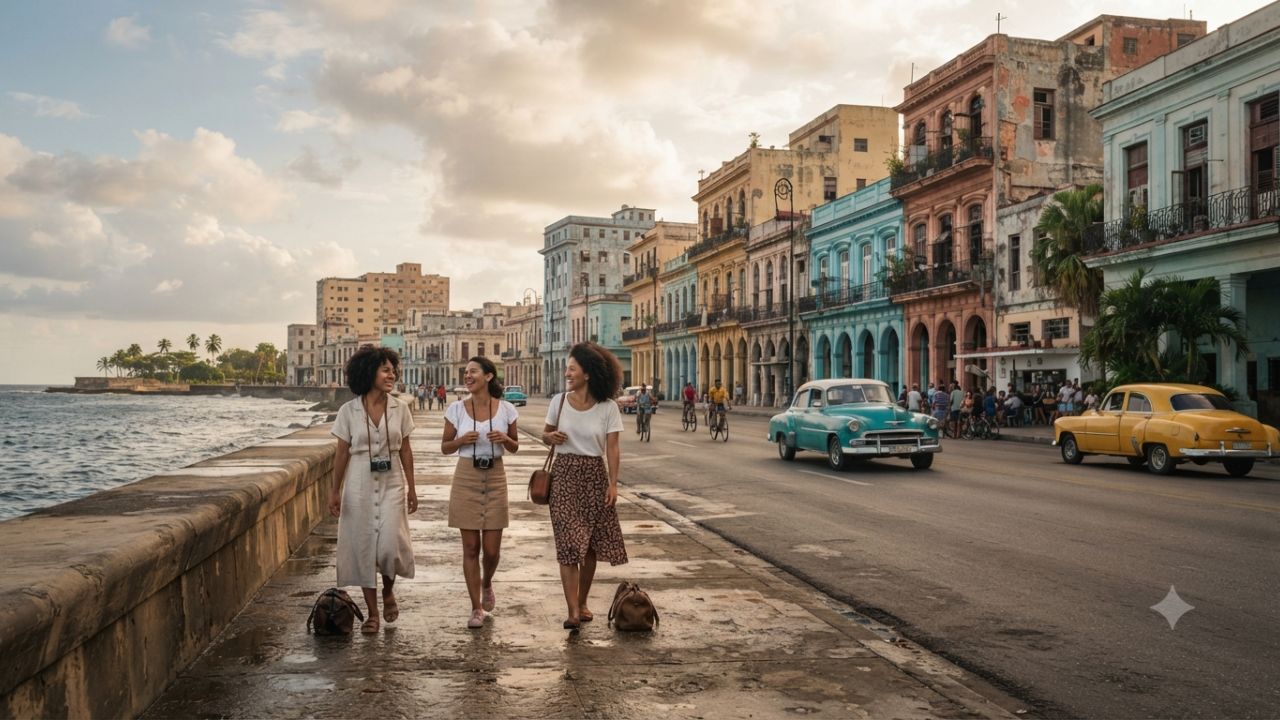
Autumn travel in Cuba combines cultural heritage in Old Havana with natural landscapes across Viñales. Image credit: Cuba Travel
Autumn travel in Cuba offers a rich blend of historic architecture, green agricultural valleys, and UNESCO World Heritage sites beyond traditional all-inclusive beach resorts. As the official Caribbean hurricane season continues through November, navigating Cuba between September and November requires careful itinerary planning and real-time logistics management.
[Havana, Oct 6, 2026] — Traveling to Cuba during autumn opens up cultural and natural experiences across the island's interior and historic cities. While summer beach tourism slows down, autumn visitors can explore cobblestone colonial towns, tobacco farms, and coastal bays.
However, autumn travel in Cuba coincides with the Atlantic hurricane season, which runs until November 30. September and October record the highest rainfall and storm activity, whereas November provides calmer weather conditions. Additionally, travelers must navigate ongoing island-wide resource constraints involving fuel distribution, electrical grid stability, and water supplies.
CUBA AUTUMN SEASONAL TRAVEL PARAMETERS
| Entity / Route | Metrics | Operational Status |
|---|---|---|
| Month | Weather Conditions | Operational Focus |
| September | Peak Hurricane Risk | Rain contingencies & |
| High Humidity | indoor cultural visits | |
| October | Moderate-High Rain | Flexible routing between |
| Storm Activity | Havana and Viñales | |
| November | Calmer & Dryer | Best overall autumn |
| Moderate Heat | travel window |
Top 5 Cuba Autumn Travel Destinations
A structured five-destination route highlights Cuba's architectural, rural, and coastal diversity for autumn travelers.
| Rank | Destination | Primary Autumn Appeal | Key Experiences & UNESCO Status | Autumn Planning Advice |
|---|---|---|---|---|
| 1 | Havana | Complete urban base; historic forts, music, museums | Old Havana (UNESCO), Malecón sea wall, historic plazas | Schedule outdoor walks in mornings; keep museums for wet afternoons |
| 2 | Viñales | Lush karst valley landscapes & tobacco farming | Viñales Valley (UNESCO), mogotes, tobacco farms, caves | Rain enhances green scenery; use local guides for muddy trails |
| 3 | Trinidad | Colonial stone streets paired with Caribbean beaches | Trinidad & Sugar Mills (UNESCO), Playa Ancón, live music | Split rainy hours in historic town and clear afternoons at the beach |
| 4 | Cienfuegos | Calm bayfront city featuring French neoclassical design | Cienfuegos Historic Centre (UNESCO), bayfront walks | Good stopover between Havana & Trinidad; budget buffer travel times |
| 5 | Varadero | White-sand beach resort peninsula near Havana | Hicacos Peninsula beaches, watersports, Matanzas tours | November offers calmer seas than Sept/Oct; confirm flight transfers |
Havana: Urban Culture and Historic Resilience
Old Havana (La Habana Vieja) serves as the primary gateway for most international travelers. Designated as a UNESCO World Heritage Site, the district features narrow cobblestone streets, Spanish colonial plazas, 16th-century fortresses, and classic automobile tours.
       [ International Flight Arrival: Havana (HAV) ]
                            |
                            v
       [ Morning: Old Havana Historic Walking Tour ]
                            |
                            v
       [ Afternoon Rain: National Museum of Fine Arts ]
                            |
                            v
       [ Evening: Sunset Walk Along the Malecón Sea Wall ]
Havana maintains the densest concentration of hotels, private guest houses (casas particulares), private restaurants (paladares), and transport providers in Cuba. This makes the capital an adaptable base during autumn when sudden downpours require switching between outdoor walks and indoor museums or music venues.
Viñales: Karst Valleys and Tobacco Traditions
Located in Pinar del Río province in western Cuba, the Viñales Valley provides a stark contrast to Havana's urban landscape. Recognized as a UNESCO World Heritage cultural landscape, the valley is famed for its steep-sided limestone hills (mogotes) rising above red-soil agricultural fields.
Local farmers continue to cultivate tobacco and food crops using traditional ox-drawn plows and hand harvesting. While autumn rains turn the valley vibrant green, outdoor activities like horseback riding, hiking, and cave exploration in Cueva del Indio require flexible scheduling.
VIÑALES ECO-TOURISM HIGHLIGHTS
| Category / Entity | Details / Impact |
|---|---|
| Activity / Site | Description & Visitor Guidance |
| Mogote Landscape Views | Panoramas from Los Jazmines viewpoint |
| Traditional Farms | Guided tours of family-run tobacco drying |
| barns and organic coffee plots | |
| Speleology & Caves | Boat rides through subterranean rivers at |
| Cueva del Indio |
Trinidad and Cienfuegos: Colonial Heritage and Southern Coastlines
Central Cuba features two contrasting UNESCO-listed cities along the Caribbean coast:
                  [ Central Cuba Cultural Corridor ]
                                   |
         +-------------------------+-------------------------+
         |                                                   |
         v                                                   v
[ Trinidad (Colonial Heritage) ]            [ Cienfuegos (Neoclassical) ]
Preserved 18th-century town,               French-influenced architecture,
Valley of the Sugar Mills &                wide urban boulevards, bayfront
Playa Ancón beach access                   walks along Jagua Bay
Trinidad: Cobblestone Heritage and Coastal Access
Founded in 1514, Trinidad offers preserved Spanish colonial architecture funded by the 18th-century sugar trade. Nearby Playa Ancón gives visitors a convenient beach option just 15 minutes from the historic center, allowing travelers to combine morning historic walks with afternoon coastal outings.
Cienfuegos: The Pearl of the South
Situated on Jagua Bay, Cienfuegos features wide grid-patterned boulevards, French neoclassical architecture, and a scenic waterfront promenade (Prado). It serves as a practical rest stop for travelers motoring between Havana and Trinidad.
Varadero: Classic Beach Finale
Located on the Hicacos Peninsula roughly two hours east of Havana, Varadero offers 20 kilometers of continuous white-sand beaches and calm turquoise waters.
While Varadero provides established resort facilities, autumn visitors should monitor weather forecasts. Tropical depressions can generate high surf and temporary flight disruptions. November generally delivers lower rainfall and calmer sea conditions across the peninsula.
Essential Logistics and Travel Preparedness for Autumn in Cuba
Traveling in Cuba during autumn requires adherence to practical logistical preparations:
| Logistics Category | Official Guidance & Operational Reality |
|---|---|
| Currency & Cash | Carry sufficient physical euros or US dollars; international credit/debit card processing can experience network outages |
| Power & Water | Book accommodations with backup generators and private water tanks to handle local utility interruptions |
| Fuel & Transit | Reserve private transfers or government-contracted tourist transport in advance due to localized fuel shortages |
| Health & Supplies | Bring personal prescription medications, first-aid kits, mosquito repellent, and travel insurance covering hurricane cancellations |
Frequently Asked Questions
Is autumn a good time to visit Cuba?
Yes, provided travelers maintain flexible itineraries. November offers dry, pleasant weather, whereas September and October fall within the peak Atlantic hurricane season and experience higher rainfall.
What are the top UNESCO sites to visit in Cuba?
Top UNESCO World Heritage sites include Old Havana and its Fortifications, the Viñales Valley, the Historic Centre of Trinidad and the Valley of the Sugar Mills, and the Urban Historic Centre of Cienfuegos.
How should travelers handle payments in Cuba?
Travelers should carry sufficient cash in major foreign currencies (Euros or USD) in small denominations. Foreign credit and debit cards issued by non-US banks are accepted at major state hotels, but network connectivity can be unreliable.
How far is Varadero from Havana?
Varadero is located approximately 140 kilometers (87 miles) east of Havana, making it accessible via a two-hour highway drive.
Related Travel Guides
Disclaimer
This article is for informational and educational purposes only. It does not constitute legal, financial, or professional advice. While we strive to provide accurate and up-to-date information, travel policies, regulations, and conditions change rapidly. Always verify information with official sources before making travel decisions. Nomad Lawyer makes no representations about the accuracy, reliability, completeness, or suitability of the information provided. Readers should consult qualified professionals for advice specific to their circumstances. The views expressed in this article are those of the author and do not necessarily reflect the views of Nomad Lawyer.
Raushan Kumar
Founder & Lead Developer
Full-stack developer with 11+ years of experience and a passionate traveller. Raushan built Nomad Lawyer from the ground up with a vision to create the best travel and law experience on the web.
Learn more about our team →