
Mexico Draws 3 Million World Cup Fans as 60% Day-Tripper Trend Dampens Hotel Yields
Mexico welcomed 3 million foreign fans for FIFA World Cup 2026, but a 60% day-tripper rate led to lower-than-expected hotel lodging revenues.

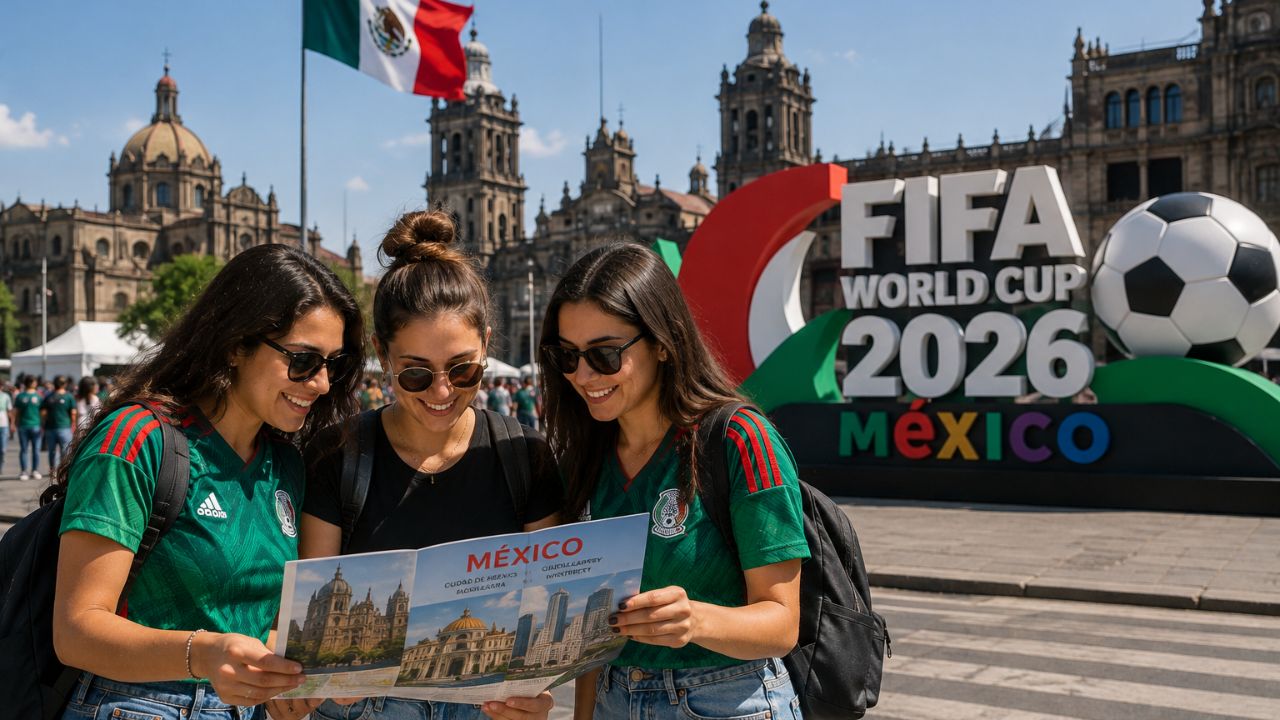
Image generated by AI
Mexico welcomed approximately 3 million international soccer fans across Mexico City, Guadalajara, and Monterrey during FIFA World Cup 2026, though a 60% day-tripper rate resulted in softer hotel room occupancy than initially projected.
[MEXICO CITY] — Official tourism performance metrics evaluating the FIFA World Cup 2026 confirm that while host cities recorded massive international visitor arrivals, total economic yield diverged across hospitality sectors. Approximately 3 million foreign fans entered Mexico City, Guadalajara, and Monterrey for tournament matches and fan festivals. However, post-event industry data indicates that nearly 60% of foreign attendees functioned as day visitors, attending matches and departing immediately without booking overnight hotel accommodations. The trend created strong passenger volumes for transit systems and dining establishments, but left regional hotel operators with lower lodging revenue than early forecasts anticipated.
Foreign Fan Arrival Metrics Across Host City Gateways
The 2026 FIFA World Cup placed Mexico under global media spotlight as the nation hosted international matches across three primary urban metros.
Airports, cross-border highways, and intercity bus networks processed approximately 3 million foreign arrivals during the tournament window. International fans traveled from North America, South America, Europe, and Asia, generating elevated passenger throughput across Benito Juárez International Airport in Mexico City, Miguel Hidalgo y Costilla International Airport in Guadalajara, and Monterrey International Airport.
Despite record transit numbers, arrival patterns revealed that match schedules dictated visitor movements, with high fan volumes concentrated strictly around match days.
Mexico World Cup Visitor Metrics:
├── Total Foreign Arrivals: ~3,000,000 international fans across 3 host cities
├── Primary Host Metros: Mexico City, Guadalajara, Monterrey
└── Visitor Profile Distribution: 60% Day Visitors | 40% Overnight Hotel Guests
The Day-Tripper Phenomenon and Hotel Occupancy Disconnect
The high proportion of day visitors emerged as the primary operational characteristic of Mexico's World Cup tourism profile.
Hospitality analytics estimate that 60% of international tournament attendees did not spend nights in local hotels, opting instead for same-day flights, regional road trips, or immediate departures to neighboring destinations.
While restaurants, street vendors, public transit systems, and stadium perimeter businesses experienced peak transaction volumes, the lodging sector recorded weaker length-of-stay metrics. High room rates set ahead of the tournament combined with short visitor itineraries limited total hotel revenue per available room (RevPAR).
Hospitality Sector Performance Variance:
├── High-Gain Sectors: Airports, public transit, stadium retail, restaurants & sports bars
├── Constrained Yield: Hotel lodging providers (shortened stay duration & day-tripper surge)
└── Primary Driver: High regional transport connectivity allowing rapid same-day travel
Mexico City Cultural Visibility and Metropolitan Transit Logistics
As the primary host metropolis, Mexico City processed the largest absolute volume of international soccer supporters.
The capital showcased major cultural landmarks, including historic plazas, museums, and food corridors, alongside match events at Estadio Azteca. Ground transport networks and airport terminals operated at high capacity, while fan zones in urban centers recorded strong foot traffic.
However, the high volume of short-term arrivals meant that cultural spending remained concentrated in immediate stadium districts, prompting municipal tourism officials to reassess how future mega-events can incentivize multi-day itineraries.
Guadalajara and Monterrey Hospitality Patterns
Guadalajara and Monterrey faced similar visitor dynamics, combining elevated global visibility with brief visitor stays.
Guadalajara leveraged match events to highlight regional gastronomy, historic architecture, and traditional cultural tours across Jalisco. Meanwhile, Monterrey highlighted its corporate infrastructure, modern commercial districts, and surrounding mountain eco-tourism.
Both cities experienced surges in international media exposure and single-day restaurant spending, but hotel managers observed rapid occupancy drops immediately following final match whistles.
| Host City Metric | International Fan Gateway | Tourism Sector High-Performer | Lodging Challenge / Impact |
|---|---|---|---|
| Mexico City | Benito Juárez Int'l Airport (MEX) | Restaurants, transit, fan zones | 60% day-tripper rate shortened stays |
| Guadalajara | Miguel Hidalgo Int'l Airport (GDL) | Cultural dining & stadium retail | Fast post-match visitor departures |
| Monterrey | Monterrey Int'l Airport (MTY) | Corporate transit & dining hubs | High single-day fan concentration |
| National Total | ~3,000,000 Foreign Fans | Regional transit & border points | Divergent hotel RevPAR vs arrival volume |
Strategic Lessons for Mega-Event Tourism Planning
Mexico's World Cup experience provides critical data for future international sports event hosts.
Relying on raw visitor arrival counts does not guarantee broad-based economic gains across all tourism sub-sectors. Modern sports fans increasingly utilize high-speed transit and low-cost regional flights to attend specific matches without committing to extended hotel stays.
To convert single-day event attendees into multi-day vacationers, future host cities must bundle match tickets with regional excursion packages, cultural passes, and hotel stay incentives.
Long-Term Brand Equity and Future Travel Conversions
Despite short-term lodging yield constraints, hosting the 2026 World Cup generated substantial long-term marketing benefits for Mexico.
Broadcasting match coverage to billions of global viewers enhanced the international profile of Mexico City, Guadalajara, and Monterrey as high-capacity destinations for business and leisure travel.
Converting World Cup audience exposure into repeat leisure vacations over the next 3 to 5 years will determine the ultimate return on investment for Mexico's tourism industry.
Why This Matters for Sports Fans, Hotel Owners, and Tourism Authorities
Analyzing Mexico's World Cup performance highlights key operational insights for major international events:
- For International Sports Tourists: Regional air connectivity and flexible transit options make it increasingly feasible to attend major international matches without paying peak event hotel rates.
- For Hotel Operators: Setting realistic event room rates and offering bundled multi-night packages prevents day-tripper drop-offs and preserves room occupancy during tournament windows.
- For Destination Marketers: Capitalizing on global event exposure requires post-tournament campaign strategies that re-target match attendees for multi-day leisure holidays.
Related Travel Guides
Disclaimer
This article is for informational and educational purposes only. It does not constitute legal, financial, or professional advice. While we strive to provide accurate and up-to-date information, travel policies, regulations, and conditions change rapidly. Always verify information with official sources before making travel decisions. Nomad Lawyer makes no representations about the accuracy, reliability, completeness, or suitability of the information provided. Readers should consult qualified professionals for advice specific to their circumstances. The views expressed in this article are those of the author and do not necessarily reflect the views of Nomad Lawyer.
Raushan Kumar
Founder & Lead Developer
Full-stack developer with 11+ years of experience and a passionate traveller. Raushan built Nomad Lawyer from the ground up with a vision to create the best travel and law experience on the web.
Learn more about our team →