
Travel Fiesta Antonio 2026: Party with Purpose Returns
Fiesta San Antonio 2026 launches 'Fiesta Together,' blending historic parades and cultural flavors with community-focused travel. Adventure seekers discover purpose-driven celebration in March.

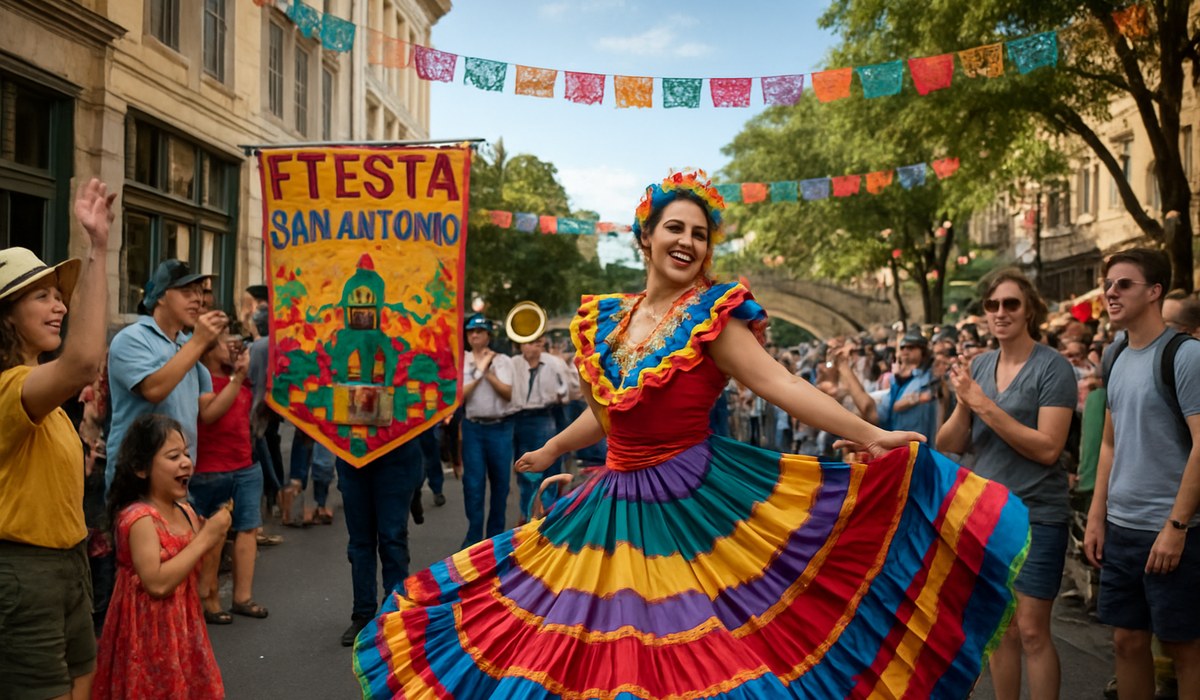
Image generated by AI
**> Quick Summary
- San Antonio's flagship spring festival reimagines itself as a community-benefit model alongside visitor entertainment
- "Fiesta Together" framework directs tourism revenue toward local nonprofits, workforce development, and cultural preservation
- Ten-day celebration features traditional parades, culinary showcases, and neighborhood-led events across the historic district
- Event projects $400M+ regional economic impact while competing with international destinations for U.S. adventure travelers**
San Antonio is reinventing how American cities celebrate culture and commerce. The 2026 edition of Fiesta San Antonio discards the transactional party model—where visitor spending ends the moment travelers leave—and installs a reciprocal framework that welds entertainment value to measurable community gain.
The festival's new "Fiesta Together" initiative doesn't eliminate the pageantry, live music, or legendary Tex-Mex cuisine that built the event into a $400-million-plus regional economic engine. Rather, it channels visitor spending through structured partnerships with local organizations, ensuring that parade days and culinary traditions simultaneously strengthen San Antonio's neighborhoods and preserve its cultural fabric.
According to UNWTO tourism statistics, event-driven travel now accounts for roughly 12% of international leisure movement, with U.S. domestic festivals claiming an outsized share of adventure travelers' spring and summer budgets. Fiesta San Antonio 2026 positions itself against this backdrop: a destination event that competes not just with Vegas or Miami beach weekends, but with intentional travel movements reshaping how millennials and Gen-Z explorers spend leisure time.
What's New at Fiesta San Antonio 2026: The 'Fiesta Together' Evolution
The centerpiece of this year's transformation is structural. Fiesta San Antonio's board partnered with the city's economic development office and eight regional nonprofits to establish revenue-sharing protocols that formally allocate a percentage of ticket sales, vendor commissions, and sponsorship fees to workforce training, small-business grants, and heritage conservation projects.
"We asked ourselves whether a ten-day party served San Antonio or simply extracted from it," said organizers in a March announcement. The answer shaped every subsequent decision about 2026's programming.
Functionally, the shift manifests in three ways. First, visitors booking accommodations through Fiesta-affiliated hotel partnerships automatically contribute a portion of their room rate to education scholarships. Second, food vendors—from established River Walk restaurants to new pop-up operations—must hire from a city-vetted job training program, effectively turning the festival into an employment platform. Third, traditional parades now incorporate neighborhood float-building competitions that distribute equipment and training to underserved districts year-round, not just during festival week.
This model echoes sustainability and community-led tourism movements gaining momentum globally. Similar to how Asia Slow Travel: Japan & Thailand Lead New Regional Circuit emphasizes visitor integration and local benefit, Fiesta San Antonio 2026 positions economic activity as secondary to relational and cultural outcomes.
Historic Parades & Iconic Flavors: What Adventure Travelers Can Expect
The operational framework shifts; the experiential offer does not diminish. Fiesta San Antonio 2026 retains the ten-day schedule anchored by four historic parades: the traditional King William (honoring San Antonio's founding families), the Fiesta Flambeau (an evening spectacle with illuminated floats), the Battle of Flowers (the continent's largest all-female parade), and the Night in Old San Antonio street festival.
These parades persist largely unchanged. Bleacher seating opens weeks in advance. Street closures follow familiar routes. Float design competitions remain fiercely competitive, drawing entries from across Texas and neighboring states.
What evolves is the culinary and cultural programming surrounding traditional events. Rather than generic music stages and corporate vendor booths, 2026's festival calendar now features neighborhood-curated food courts where each of San Antonio's historic districts—the Southside, Eastside, North Star, and Museum District—operates its own tasting pavilion. Proceeds from these pavilions fund community centers and cultural archives in those neighborhoods.
The flavors themselves anchor San Antonio's Tex-Mex heritage. Frito pie, chiles rellenos, barbacoa tacos, puffy tacos, and churros remain festival staples. But vendors now include emerging culinary entrepreneurs selected through a city-sponsored incubator program, meaning visitors encounter innovation alongside tradition.
Live music programming expands similarly. Beyond legacy country-and-tejano performers, 2026 features local jazz ensembles, indigenous musicians from partner communities, and emerging hip-hop and Latin trap artists building San Antonio's contemporary soundscape.
Party with a Purpose: How Fiesta San Antonio Drives Community & Economic Impact
The economic data justifies the structural redesign. According to World Travel & Tourism Council research, festivals and cultural events generate 2.4 jobs per $100,000 in visitor spending—significantly higher than baseline tourism multipliers. San Antonio's Fiesta historically attracts 750,000 to 800,000 visitors across ten days, translating to roughly 1.2 billion dollars in direct and indirect spending.
However, previous editions concentrated this spending in downtown hotels, major restaurants, and established attractions. Neighborhood-level businesses and lower-income residents experienced Fiesta activity but captured minimal economic benefit.
The 2026 "Fiesta Together" model intends to reverse this pattern. By formalizing neighborhood vendor participation, accommodation partnerships, and employment pipelines, organizers project that 40% of visitor spending will now circulate through community-level enterprises rather than corporate chains. For context: that represents roughly $480 million in redistributed economic activity annually—capital that historically exited local communities within days of the festival's conclusion.
One practical manifestation: the Event Host Program, which trains 1,200 community residents annually as festival guides, security personnel, and cultural ambassadors. Previous editions hired many of these roles through external staffing agencies; 2026 directs hiring and training through city workforce agencies, ensuring that jobs—and attendant wage income—remain embedded in San Antonio communities.
This approach aligns with emerging trends in sustainable tourism. Much like how Indonesia Tourism 2045: How Sustainability Strategy Reshapes Visitor Economics demonstrates that intentional community engagement deepens tourism revenue while preserving cultural assets, San Antonio's festival redesign treats visitor satisfaction and community benefit as mutually reinforcing, not competing, outcomes.
Comparatively, Travel Italy Sees Record US Visitor Surge shows how U.S. travelers increasingly seek destinations offering both adventure and authentic cultural immersion. Fiesta San Antonio 2026 competes directly within this market segment—travelers willing to spend premium rates for experiences where their spending measurably benefits host communities.
Planning Your Fiesta 2026 Trip: Travel Tips for First-Timers and Repeat Visitors
Timing and Dates
Fiesta San Antonio 2026 runs March 28 through April 6, anchoring the last week of March and opening week of April. This timing capitalizes on spring break demand while avoiding Easter holiday competition. Early March provides optimal weather—temperatures hovering between 65
Disclaimer
This article is for informational and educational purposes only. It does not constitute legal, financial, or professional advice. While we strive to provide accurate and up-to-date information, travel policies, regulations, and conditions change rapidly. Always verify information with official sources before making travel decisions. Nomad Lawyer makes no representations about the accuracy, reliability, completeness, or suitability of the information provided. Readers should consult qualified professionals for advice specific to their circumstances. The views expressed in this article are those of the author and do not necessarily reflect the views of Nomad Lawyer.
Raushan Kumar
Founder & Lead Developer
Full-stack developer with 11+ years of experience and a passionate traveller. Raushan built Nomad Lawyer from the ground up with a vision to create the best travel and law experience on the web.
Learn more about our team →