
FAA Proposes Ending Supersonic Flight Ban as United, American, and Japan Airlines Target Faster Travel
The FAA is moving to replace the decades-old ban on civil supersonic flights with a noise-based regulatory system, potentially reviving high-speed commercial travel for United, American, and Japan Airlines.

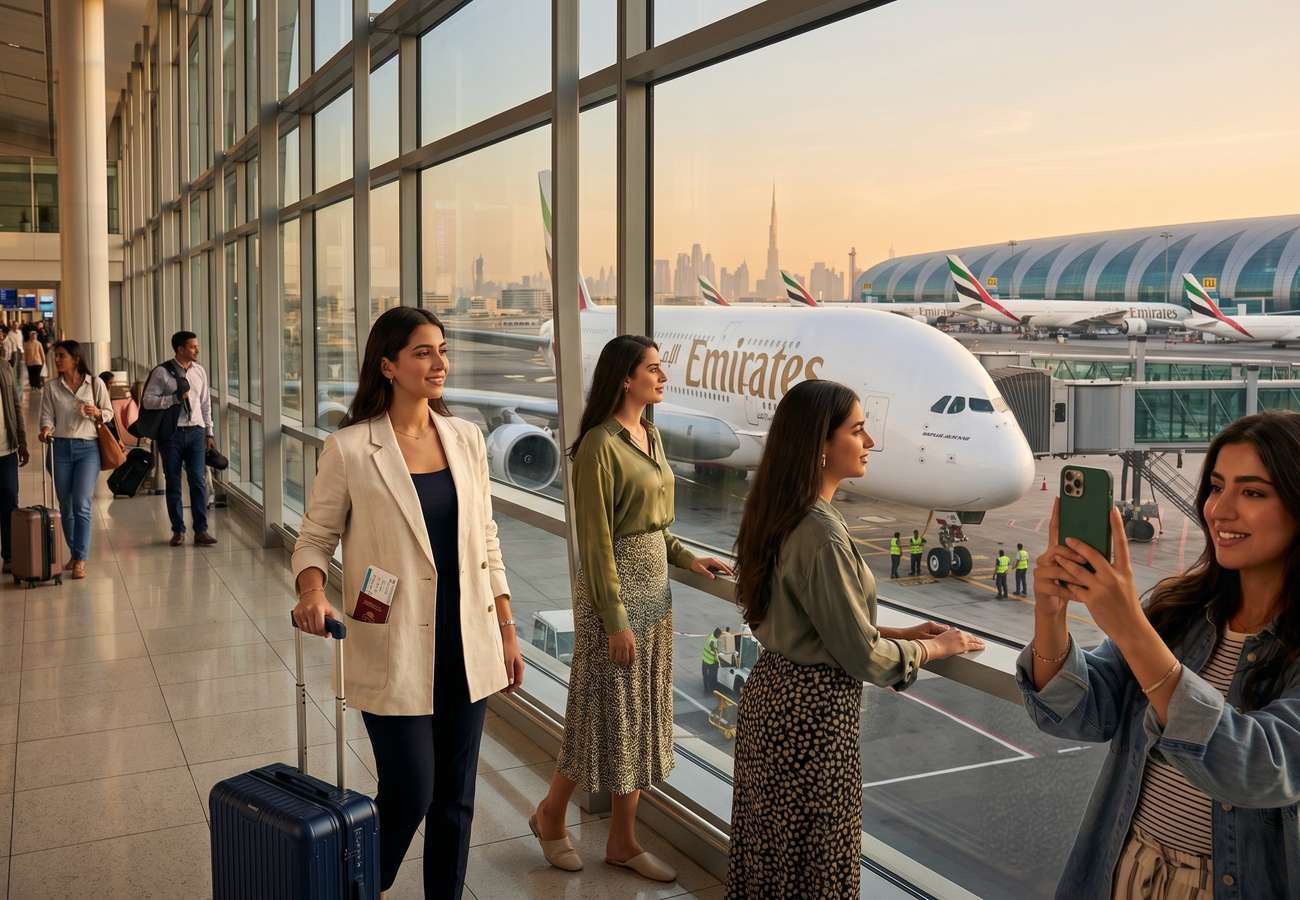
Image generated by AI
The Federal Aviation Administration (FAA) has proposed a landmark shift in aviation policy, suggesting the repeal of the long-standing ban on civil supersonic flights over land. This transition toward a sound-focused regulatory framework could fundamentally alter long-haul travel timelines and premium route planning.
The Shift Toward Noise-Based Certification
The FAA has determined that the general prohibition on overland supersonic flight is obsolete due to advancements in aerospace technology. Rather than a blanket ban, the new proposal establishes a regulatory path based on strict noise conditions. This move follows a June 6, 2025, White House executive order directing the FAA to remove outdated barriers and create a certification process based on acoustic impact.
The catalyst for this policy shift is the success of NASA’s X-59 quiet supersonic aircraft. On June 5, 2026, the X-59 reached Mach 1.077, later hitting Mach 1.4 at 55,000 feet on June 12, 2026. These tests aim to prove that the traditional "sonic boom" can be reduced to a "sonic thump," providing the empirical data regulators require to authorize commercial operations.
Critical Takeaways for the Aviation Sector
- Regulatory Pivot: Shift from a total ban to a noise-limit certification.
- Technological Proof: NASA X-59 data serves as the baseline for future aircraft certification.
- Global Interest: The U.S. is leading the policy shift, but Japan, the UK, France, and Germany are positioned as key markets due to historical ties and high demand for premium long-haul travel.
- Passenger Impact: Potential for drastic reductions in transcontinental and international flight times.
Strategic Alignment of Major Carriers
While no commercial supersonic services are currently active, several global airlines are aligning their future strategies with these potential regulatory changes.
United Airlines United is aggressively positioning itself to capture the high-value traveler market. Given its extensive premium long-haul network, the carrier views supersonic capabilities as a tool to dominate business and luxury corridors.
American Airlines American is exploring how supersonic speeds could optimize its vast domestic and international networks. The focus here is the reduction of long-haul fatigue and the introduction of premium pricing for significant time savings.
Japan Airlines (JAL) JAL provides the critical Asia-Pacific link. Faster aircraft would specifically target the high-demand routes connecting Japan with North America and Europe, supporting luxury city breaks and high-efficiency business travel.
Future Supersonic Travel Relevance Matrix
| Airline | Primary Market | Status | Potential Strategic Angle |
|---|---|---|---|
| United Airlines | United States | Linked to future plans | High-value business/tourism corridors |
| American Airlines | United States | Linked to future interest | Reduced long-haul fatigue; premium domestic |
| Japan Airlines | Japan | Partnership interest | Asia-Pacific to North America/Europe speed |
Why This Matters: Industry Implications
This regulatory shift represents more than just a change in speed; it is a restructuring of the "time-value" proposition in aviation. For decades, the industry has focused on cabin comfort and fuel efficiency. The return of supersonic travel introduces Time Recovery as a primary luxury product.
Industry observers note that this will likely create a new "Ultra-Premium" class that transcends traditional First Class. This is not about the seat, but about the arrival time. For the tourism industry, this could turn "impossible" short-stay luxury trips—such as a three-day executive break in Tokyo from New York—into a viable commercial product.
Furthermore, the move forces a modernization of airport infrastructure. Supersonic jets will require specific gate configurations, fueling requirements, and noise-abatement procedures that will necessitate capital investment from major global hubs.
Forward Outlook
The transition to supersonic travel will not be instantaneous. The FAA proposal is the first step; actual service depends on several volatile factors:
- Environmental Clearance: Aircraft must meet stringent emissions and ozone-impact standards.
- Economic Viability: High operational costs must be offset by a willingness from passengers to pay significant premiums.
- International Harmony: For these flights to be practical, other nations (specifically the EU and Japan) must align their airspace regulations with the FAA's noise-based standards.
Passengers should monitor official aircraft certification news rather than unofficial claims. The first wave of service will likely be limited to a few select "super-routes" connecting global financial capitals.
The era of the sonic boom is ending; the era of the sonic thump is beginning.
Related Travel Guides
Disclaimer
This article is for informational and educational purposes only. It does not constitute legal, financial, or professional advice. While we strive to provide accurate and up-to-date information, travel policies, regulations, and conditions change rapidly. Always verify information with official sources before making travel decisions. Nomad Lawyer makes no representations about the accuracy, reliability, completeness, or suitability of the information provided. Readers should consult qualified professionals for advice specific to their circumstances. The views expressed in this article are those of the author and do not necessarily reflect the views of Nomad Lawyer.
Preeti Gunjan
Contributor & Community Manager
A passionate traveller and community builder. Preeti helps grow the Nomad Lawyer community, fostering engagement and bringing the reader experience to life.
Learn more about our team →