
Extreme Tourism Legal Guide 2026: Navigating High-Risk Travel to Ethiopia, Mauritania, and Siberia
A comprehensive legal and safety analysis of extreme tourism in 2026, detailing the rights and risks of travelers visiting the world's most dangerous environments.

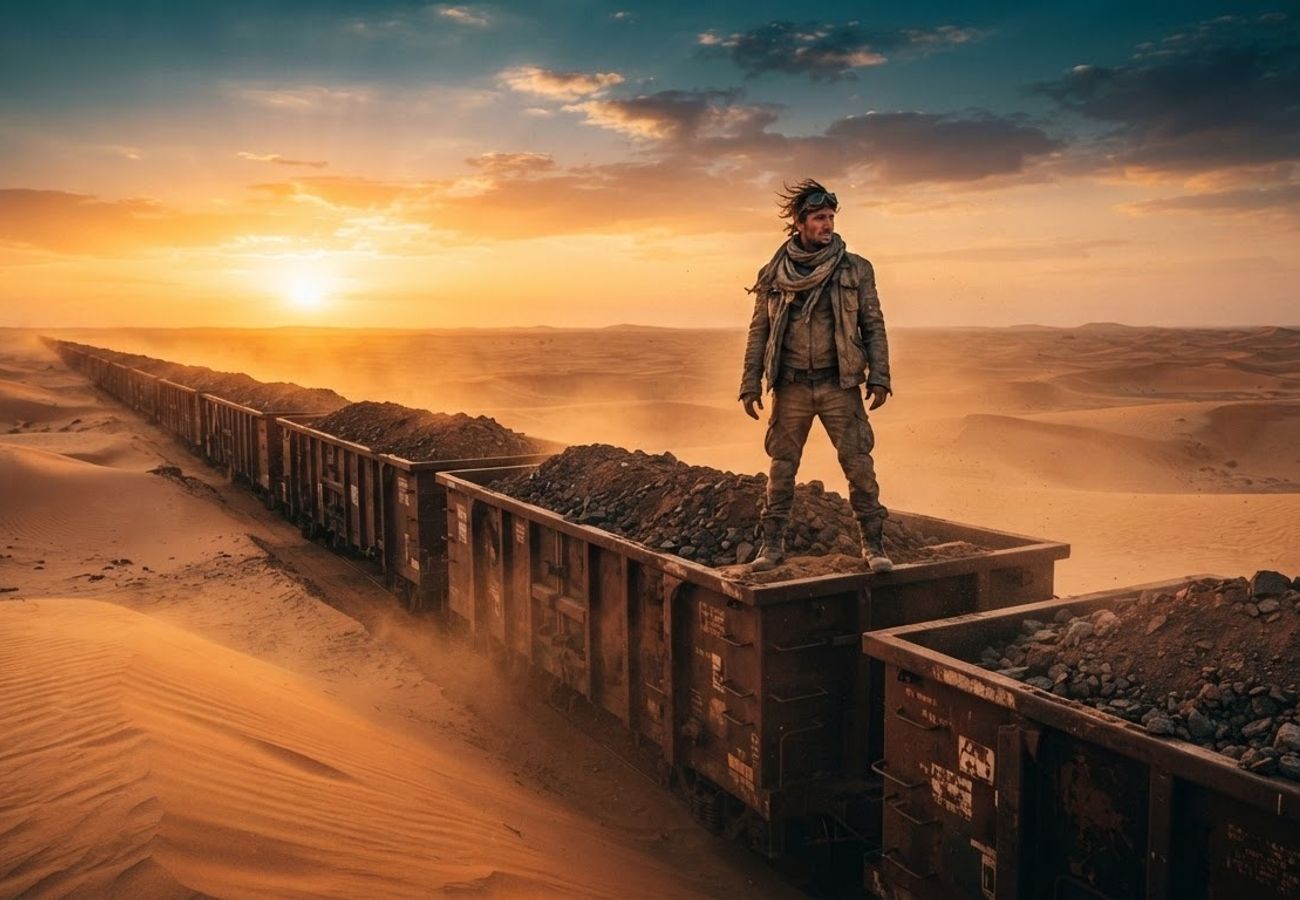
Image generated by AI
Imagine standing atop a 1.5-mile-long industrial train, wind-whipped and coated in metallic dust, as you hurtle through the Sahara Desert with no ticket and no safety rail. For a growing number of travelers in 2026, this is not a nightmare, but a sought-after escape from the sterile, algorithm-driven luxury of modern vacations. As "extreme tourism" shifts from a fringe activity to a structured niche, the gap between the thrill of the adventure and the legal reality of the risk is widening.
The Rise of High-Stakes Exploration in 2026
The current travel climate is seeing a sharp pivot away from "sanitized" luxury. Travelers are increasingly rejecting infinity pools and curated itineraries in favor of environments where modern safety nets are nonexistent. Extreme tourism is defined as travel to desolate, dangerous, or remote zones—such as active volcanic craters, deep-ocean pelagic zones, and polar wastes—designed to push the limits of human physical and psychological endurance.
Unlike standard ecotourism, these journeys often occur in "grey zones" of legality and safety. Whether it is navigating the tectonic instability of East Africa or the frozen isolation of the Far East, these trips require more than just gear; they require a deep understanding of the legal vacuum in which they operate.
High-Risk Destinations and Their Operational Realities
For those seeking to test their limits, several global hotspots have become the gold standard for extreme endurance. However, each carries specific logistical and legal burdens.
The Industrial Sahara: Mauritania’s Iron Ore Train This behemoth transports millions of tonnes of iron ore from the mining center of Zouerat to the port of Nouadhibou. Travelers who hitch rides atop the carriages face freezing nights, biting winds, and pervasive iron dust. Because there are no official passenger tickets or designated seating, travelers operate entirely outside the protection of standard transport laws.
The Andean Edge: Bolivia’s North Yungas Road Known globally as the "Death Road," this route involves descending from the high Andes into the Amazon basin via mountain bike. The path is narrow, unpaved, and characterized by sheer cliff drops and waterfalls. While some operators provide guides, the inherent risk of the terrain often means that standard travel insurance policies are voided unless a specific "high-risk activity" rider is purchased.
The Volcanic Crucible: Ethiopia’s Danakil Depression Located at a volatile tectonic triple junction, this region is one of the hottest places on Earth, with temperatures frequently exceeding 50°C. Visitors encounter neon-green acid ponds and the permanent lava lake of Erta Ale. Due to the volatility of the region, local authorities mandate armed security guards for all visitors, adding a layer of geopolitical risk to the environmental danger.
The Jungle Gauntlet: Congo Basin Overland Expeditions Traversing the heart of the Congo Basin via repurposed expedition trucks involves navigating collapsing bridges and deep mud tracks. These routes are subject to seasonal blockages and bureaucratic checkpoints, requiring travelers to be entirely self-sufficient for weeks at a time.
The Pelagic Void: Uncaged Shark Expeditions Moving away from land, extreme marine tourism now involves swimming with blue sharks and oceanic whitetip sharks in open waters without the protection of cages. These expeditions often take place miles away from coastal shelves, making emergency medical evacuation nearly impossible.
The Frozen Wasteland: Siberia’s R504 Kolyma Highway Known as the "Road of Bones," this route sees winter temperatures plummet to -50°C or lower. Originally built by Gulag prisoners, the highway tests mechanical resilience and psychological fortitude in one of the most isolated regions on the planet.
Your Rights as a Passenger and Adventurer
When you step off the beaten path and into an "extreme" environment, your legal protections change drastically. Most standard consumer protections, such as those provided by the U.S. Department of Transportation or the UK Civil Aviation Authority, apply to commercial transit and regulated tourism. They rarely extend to "off-grid" expeditions.
The Liability Waiver Trap Almost every extreme tourism operator will require you to sign a comprehensive liability waiver. In many jurisdictions, these waivers are legally binding, meaning you waive your right to sue for negligence if an accident occurs. However, waivers typically cannot protect a company from "gross negligence" or intentional misconduct.
Insurance Voids Standard travel insurance almost never covers "extreme" activities. If you are injured on the North Yungas Road or in the Danakil Depression, your provider may deny the claim based on "hazardous activity" exclusions. You must secure specialized high-risk insurance that explicitly lists the activity and the location.
Medical Evacuation (MedEvac) In regions like the Congo Basin or the Kolyma Highway, local healthcare is non-existent. You are legally and financially responsible for your own extraction. We strongly advise using a dedicated MedEvac service like Global Rescue to ensure you aren't stranded in a remote zone.
Rebooking Strategy and Risk Mitigation
If you are planning an extreme expedition, the "rebooking" strategy is not about flights, but about contingency planning.
- The Redundancy Rule: Never rely on a single operator. For journeys like the Mauritanian train or Siberian highway, have a secondary extraction plan and a designated emergency contact who knows your exact GPS coordinates.
- Permit Verification: In places like Ethiopia, ensure your operator has secured official government permits. Traveling without these can lead to immediate detention by local security forces.
- Gear Audit: High-stakes environments demand specialized equipment. For the Kolyma Highway, this means extreme-cold weather gear rated for -60°C; for the Danakil Depression, it means advanced hydration systems to combat 50°C heat.
- The "Go/No-Go" Threshold: Establish a hard limit for weather or political instability. If a regional conflict flares up in the Congo Basin, your priority should be immediate extraction over the completion of the itinerary.
FAQ: Extreme Tourism 2026
Am I legally protected if I sign a liability waiver? Waivers generally protect operators from ordinary negligence. However, they rarely cover gross negligence or willful misconduct. Always have a legal professional review waivers for high-cost expeditions to understand what rights you are actually surrendering.
Will my standard travel insurance cover a rescue in Siberia or Ethiopia? Almost certainly not. Standard policies exclude "hazardous activities" and "remote area" evacuations. You need a specialized high-risk policy or a dedicated medical evacuation membership to ensure coverage in these zones.
What happens if I am detained in a high-risk zone? Your primary recourse is your national embassy. However, in remote areas like the Danakil Depression, embassy access is limited. Always carry a satellite communication device and ensure your government is aware of your itinerary via official registration portals.
Can I get a refund if an extreme expedition is canceled due to weather? This depends entirely on your contract. Many extreme operators use "force majeure" clauses to avoid refunds for weather-related cancellations. Negotiate a partial refund or a credit for a future date before paying your deposit.
The thrill of the unknown is only sustainable when backed by a rigorous strategy for survival.
Related Travel Guides
Disclaimer
This article is for informational and educational purposes only. It does not constitute legal, financial, or professional advice. While we strive to provide accurate and up-to-date information, travel policies, regulations, and conditions change rapidly. Always verify information with official sources before making travel decisions. Nomad Lawyer makes no representations about the accuracy, reliability, completeness, or suitability of the information provided. Readers should consult qualified professionals for advice specific to their circumstances. The views expressed in this article are those of the author and do not necessarily reflect the views of Nomad Lawyer.
Kunal K Choudhary
Co-Founder & Contributor
A passionate traveller and tech enthusiast. Kunal contributes to the vision and growth of Nomad Lawyer, bringing fresh perspectives and driving the community forward.
Learn more about our team →