
Expedia Unveils Three-Stage Traveler Spending Framework as Post-Booking Retail Surpasses $100 Billion
Expedia Group launches its Travel Audience Marketing framework at Advertising Week New York, revealing American travelers spend an average of $660 on non-travel gear after booking trips.

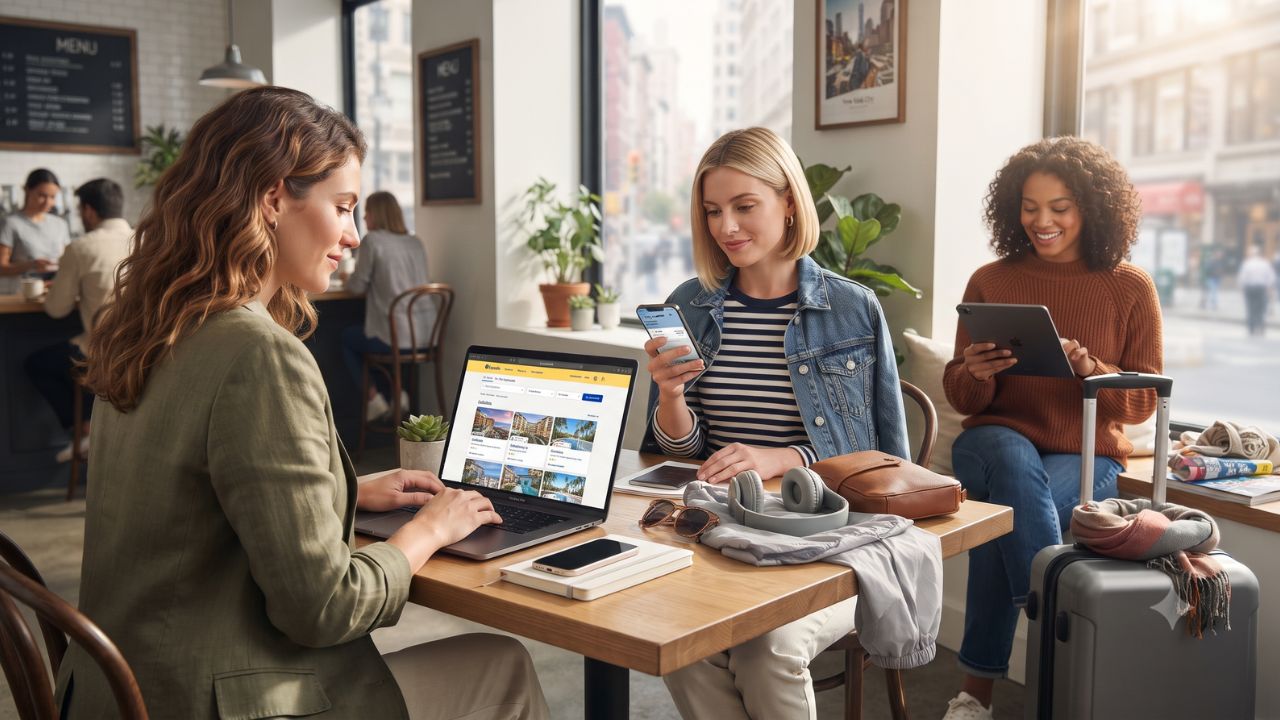
American travelers spend an average of $660 on non-travel retail items—from wardrobe refreshes to portable electronics—solely to prepare for an upcoming vacation, representing a 25% expenditure surge beyond the cost of the trip itself. Unveiled on October 7, 2026, during Advertising Week New York by Bill Watkins, Senior Vice President and General Manager of Global Advertising at Expedia Group, the company’s new "Travel Audience Marketing" architecture maps commercial consumer behavior across three distinct windows: pre-reservation inspiration, active checkout, and post-booking preparation.
Internal data reveals that the post-booking retail economy in the United States alone represents an untapped market exceeding US$100 billion. By analyzing behavior across its network of nearly 12 million daily visitors on Expedia, Hotels.com, and Vrbo, the platform is expanding beyond traditional flight-and-hotel promotions to help non-travel brands reach consumers during high-intent preparation phases.
Mapping the Three Spending Windows Across the Journey
The traditional advertising approach treated travel bookings as single transaction endpoints. Expedia Group’s behavioral research deconstructs the customer lifecycle into three operational stages where traveler demands fundamentally shift:
- Window 1: Discovery & Aspiration (Pre-Booking): Consumers compare regional destinations, flight routes, and accommodation styles. During this stage, prospective travelers respond heavily to destination marketing boards, climate-specific apparel brands, and cultural sightseeing guides.
- Window 2: Conversion & Itinerary Design (At Booking): Intent crystallizes into hard reservations. Travelers actively purchase seat upgrades, rental vehicle access, boutique lodging amenities, and curated destination excursions.
- Window 3: Departure Preparation (Post-Booking): The critical retail phase where travelers invest heavily in consumer goods required for the voyage. Purchases encompass specialized clothing, compact electronic adapters, suncare products, luggage upgrades, and digital streaming subscriptions.
A comprehensive Harris Poll study conducted for Expedia Group on February 24–25, 2026, surveying 3,500 travel decision-makers across the United States, United Kingdom, Canada, France, Japan, Mexico, and Australia, evaluated 2,166 respondents who bought non-travel items specifically for recent trips. While global respondents averaged US$500 in preparation purchases, US travelers led global spending at US$660 per trip.
B2B Integrations: Rapid API, Vrbo Listings, and Specialized Insurance
The initiative also introduces new commercial tooling for enterprise hospitality partners and corporate affiliates:
- Rapid Lodging Sponsored Listings API: Affiliated online travel platforms, airlines, financial institutions, and loyalty programs utilizing Expedia's Rapid API can now serve sponsored hotel inventory directly within their native search results, generating shared advertising revenues without requiring in-house ad sales teams.
- Vrbo Sponsored Listings: Vacation rental hosts and property managers gain access to a global pay-per-booked-night marketing model. Property owners secure prominent placement across vacation home searches without paying upfront fees until a reservation is finalized.
- Dedicated Insurance Partnership: Specialized insurance provider Redion was confirmed as the official advertising partner for embedded travel protection solutions across the network.
Empirical Spending Breakdown Across the Travel Planning Cycle
The table below contrasts consumer psychology, expenditure categories, and technical advertising mechanisms across the three identified travel windows:
| Travel Phase | Primary Consumer Mindset | Dominant Purchase Categories | Average Retail Expenditure | Platform Advertising Mechanism |
|---|---|---|---|---|
| Pre-Booking (Discovery) | Inspiration & Route Comparison | Flight searches, guidebooks, seasonal apparel | Budget planning phase | Destination video ads, contextual native display |
| At-Booking (Conversion) | Finalizing Itinerary & Transit | Hotels, car rentals, private transfers, experiences | Primary trip base cost | Rapid API sponsored lodging, checkout add-ons |
| Post-Booking (Preparation) | Practical Readiness & Packing | Luggage, electronics, suncare, footwear, cosmetics | US$660 (US) / US$500 (Global avg.) | Post-confirmation retargeting, email recommendations |
| B2B Enterprise Integration | Monetizing Affiliated Traffic | Co-branded inventory, financial portal lodging | Shared ad-click revenue split | Rapid Lodging Sponsored Listings API |
| Vacation Rental Promotion | Direct Booking Optimization | Whole-home rentals, beach chalets, cabins | Pay-per-booked-night model | Vrbo Sponsored Listings global algorithm |
Visitor Insider Tips for Budgeting Trip Purchases
- Audit Wardrobe Needs Before Booking: To prevent impulsive post-booking spending that inflates your travel budget by 25%, inventory your destination-specific gear (such as hiking boots, rainshells, or universal power adapters) before finalizing airline tickets.
- Time Electronics and Gear Purchases: Retailers frequently discount travel gear during seasonal retail sales rather than off-season travel months. Purchase durable carry-on bags and noise-canceling headphones during major holiday promotions rather than the week prior to departure.
- Evaluate Embedded Travel Insurance Policies: Compare coverage terms between standalone travel insurance policies and embedded checkout options offered by partners like Redion to ensure medical evacuation and cancellation thresholds match your destination risks.
- Leverage Loyalty Ecosystems for Retail Offsets: Utilize co-branded credit card shopping portals for your pre-trip apparel and gear purchases to earn bonus airline miles or hotel points that can subsidize future transit costs.
Cultural and Economic Dimensions of Travel Retail
The emergence of a US$100 billion pre-departure retail economy demonstrates the cultural significance placed on vacation preparation. Preparing for a journey has transformed into an experiential ritual, where purchasing specialized items serves as an emotional prelude to the destination itself.
However, the rapid accumulation of single-use travel accessories and fast-fashion resort wear presents significant environmental concerns. Sustainable travel advocates emphasize the importance of investing in durable, repairable travel gear and supporting local artisan economies upon arrival, rather than mass-purchasing disposable goods prior to departure.
FAQ: Expedia Travel Audience Marketing 2026
What is the new Expedia Group advertising framework?
Expedia Group Travel Audience Marketing maps traveler spending across three key windows: pre-booking discovery, at-booking checkout, and post-booking preparation.
How much do travelers spend on non-travel items for trips?
According to a Harris Poll survey, global travelers spend an average of US$500 on non-travel goods per trip, while United States travelers spend an average of US$660.
What is the new Vrbo Sponsored Listings model?
Vrbo Sponsored Listings operates on a performance-based, pay-per-booked-night structure, allowing vacation rental hosts to gain premium search visibility without upfront placement costs.
Which brands are accessible through the Travel Media Network?
The network connects advertisers to nearly 12 million daily visitors across Expedia, Hotels.com, Vrbo, and affiliated B2B partner sites via Rapid API.
The true investment in travel begins long before boarding, reflected in the careful preparation travelers make for the roads ahead.
Related Travel Guides
Disclaimer
This article is for informational and educational purposes only. It does not constitute legal, financial, or professional advice. While we strive to provide accurate and up-to-date information, travel policies, regulations, and conditions change rapidly. Always verify information with official sources before making travel decisions. Nomad Lawyer makes no representations about the accuracy, reliability, completeness, or suitability of the information provided. Readers should consult qualified professionals for advice specific to their circumstances. The views expressed in this article are those of the author and do not necessarily reflect the views of Nomad Lawyer.
Raushan Kumar
Founder & Lead Developer
Full-stack developer with 11+ years of experience and a passionate traveller. Raushan built Nomad Lawyer from the ground up with a vision to create the best travel and law experience on the web.
Learn more about our team →