
Mediterranean Tourism Shift: Greece Italy and Spain Promote Quiet Islands for 2025-2026
Tourism boards in Greece, Italy, and Spain are pivoting toward lesser-known islands to combat overtourism and promote sustainable, slow-travel alternatives for 2025 and 2026.

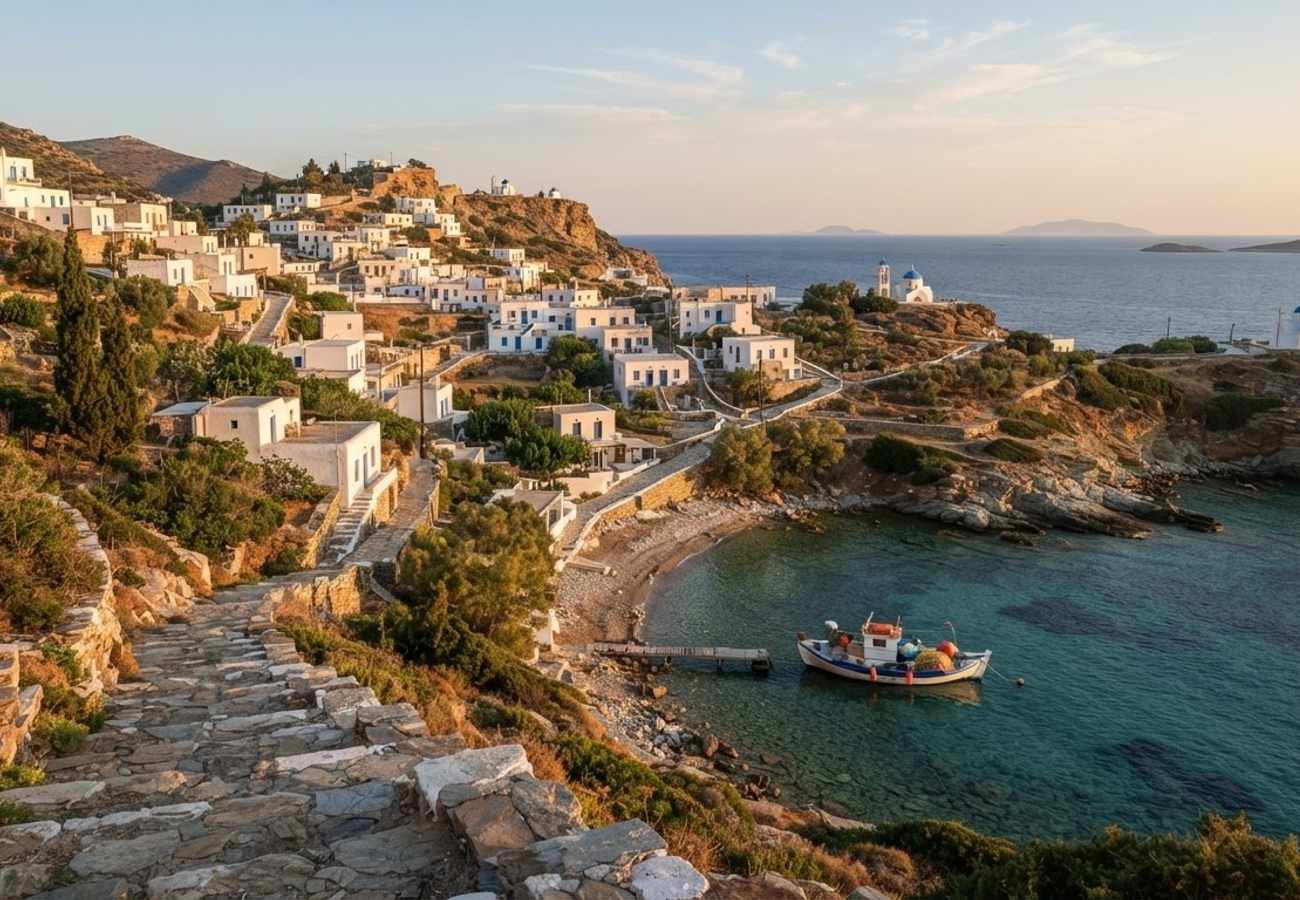
Image generated by AI
Mediterranean tourism is undergoing a strategic pivot. National tourism boards and operators are now aggressively promoting "second-line" islands in Greece, Italy, and Spain to divert traffic from saturated hotspots. This shift targets a growing demographic of travelers seeking sustainable, crowd-free escapes and authentic local experiences.
Strategic Diversification of Mediterranean Destinations
The push toward offbeat travel is a coordinated effort to manage seasonality and disperse visitor density. By highlighting destinations that lack large-scale resorts and cruise terminals, these nations are attempting to preserve local culture while expanding their economic reach into rural island communities.
Greece: Beyond Santorini and Mykonos
Greece is currently the primary driver of this trend. Marketing campaigns for 2025 and 2026 are positioning smaller Aegean and Ionian islands as viable alternatives to the traditional "marquee" destinations.
- Emerging Alternatives: Serifos, Syros, and Ithaca are being marketed for their authentic village life and lower price points.
- Domestic Favorites: Islands traditionally reserved for Greek nationals—such as Kimolos, Alonnisos, and Ikaria—are now being framed as "slow travel" hubs.
- Itinerary Trends: Booking data shows a rise in "hub-and-spoke" trips, where travelers start at a gateway like Naxos or Paros before moving to the Small Cyclades or the Dodecanese.
Italy: Wild Coasts and Archipelagoes
Italy is steering attention away from Capri and the main Tuscan islands toward more rugged, less-publicized outposts.
- Sardinian Shift: Promotion is moving away from the Costa Smeralda toward the Maddalena archipelago and San Pietro.
- Infrastructure for Hikers: The "Path of 100 Towers," a 1,200-kilometer coastal network circling Sardinia, is being promoted to attract independent trekkers.
- Short-Stay Escapes: Ponza and Procida are being positioned as accessible weekend retreats from Rome and Naples.
Spain: Biospheres and Atlantic Refuges
Spain is utilizing its Balearic and Canary islands to offer a contrast to the high-density tourism of Ibiza and Mallorca.
- Balearic Alternatives: Menorca’s biosphere reserves and the protected dunes of Formentera are being highlighted for their strict development controls.
- Canary Islands: La Gomera and El Hierro are being marketed as nature-focused refuges, emphasizing laurel forests and steep ravines over the resorts of Tenerife.
Logistics and Accessibility Improvements
The viability of these "hidden" escapes relies on a significant upgrade in regional connectivity.
Expanded Transport Networks
Ferry operators in all three nations have expanded seasonal timetables. Many inter-island routes that previously operated only a few days per week now have increased frequency. This is particularly evident in the Aegean and around the Balearics.
New Tour Models
Specialist operators are introducing "unexplored islands" programs. These include:
- Small-ship cruises that deliberately bypass major ports.
- Low-capacity itineraries designed to minimize environmental impact.
- Integrated multi-leg ticketing platforms that simplify the logistics of island-hopping without internal flights.
Operational Realities for Travelers
Visiting off-grid islands requires a different logistical approach than visiting major hubs. Industry briefings emphasize several critical points:
- Limited Infrastructure: Smaller islands have fewer hotels, restricted public transport, and minimal nightlife.
- Booking Windows: Due to the limited number of guesthouses, high-season bookings must be made well in advance.
- Optimal Timing: Shoulder seasons (May, June, September, and October) are recommended to avoid pressure on local water and waste management systems.
- Sustainability Mandates: Travelers are urged to support locally owned businesses and adhere to strict guidelines regarding protected marine zones.
Why This Matters: Industry Analysis
From a logistical perspective, this shift represents a move from "mass tourism" to "distributed tourism." For the traveler, the real impact is a trade-off: you exchange the convenience of luxury infrastructure for authenticity and peace.
Our analysis of the route maps suggests that the "hub-and-spoke" model is the most efficient way to experience these regions. By utilizing a major gateway airport and then transitioning to regional ferries, travelers can avoid the logistical nightmare of multiple flight connections.
Furthermore, the promotion of the 1,200-km Path of 100 Towers in Italy indicates a broader trend toward "active tourism." The industry is no longer just selling beaches; it is selling endurance and exploration. This attracts a higher-spending, lower-impact demographic that benefits local economies more sustainably than cruise ship passengers.
Industry Outlook
The success of these initiatives depends on the balance between accessibility and preservation. While improved ferry frequencies make these islands easier to reach, there is a documented risk of "destination contagion," where a "hidden gem" becomes a hotspot within a few seasons.
Expect to see more "capped" tourism models—where the number of overnight visitors is strictly limited by local government—especially in the Balearic biosphere reserves and the Small Cyclades. The trend toward "slow travel" will likely evolve into "regenerative travel," where visitors are encouraged to contribute to the preservation of the islands they visit.
The Mediterranean is redefining luxury as solitude and authenticity rather than gold-plated resorts.
Related Travel Guides
Disclaimer
This article is for informational and educational purposes only. It does not constitute legal, financial, or professional advice. While we strive to provide accurate and up-to-date information, travel policies, regulations, and conditions change rapidly. Always verify information with official sources before making travel decisions. Nomad Lawyer makes no representations about the accuracy, reliability, completeness, or suitability of the information provided. Readers should consult qualified professionals for advice specific to their circumstances. The views expressed in this article are those of the author and do not necessarily reflect the views of Nomad Lawyer.
Kunal K Choudhary
Co-Founder & Contributor
A passionate traveller and tech enthusiast. Kunal contributes to the vision and growth of Nomad Lawyer, bringing fresh perspectives and driving the community forward.
Learn more about our team →