
Europe's 5 Best Multi-Day Hiking Routes Without Camping: Alpine Refuges, Coastal Paths & Pilgrim Hostels in 2026
Skip the tent. Discover Europe's most rewarding multi-day treks with guaranteed beds: from England's 630-mile coastal drama to Italy's Dolomites linguistic mosaic.

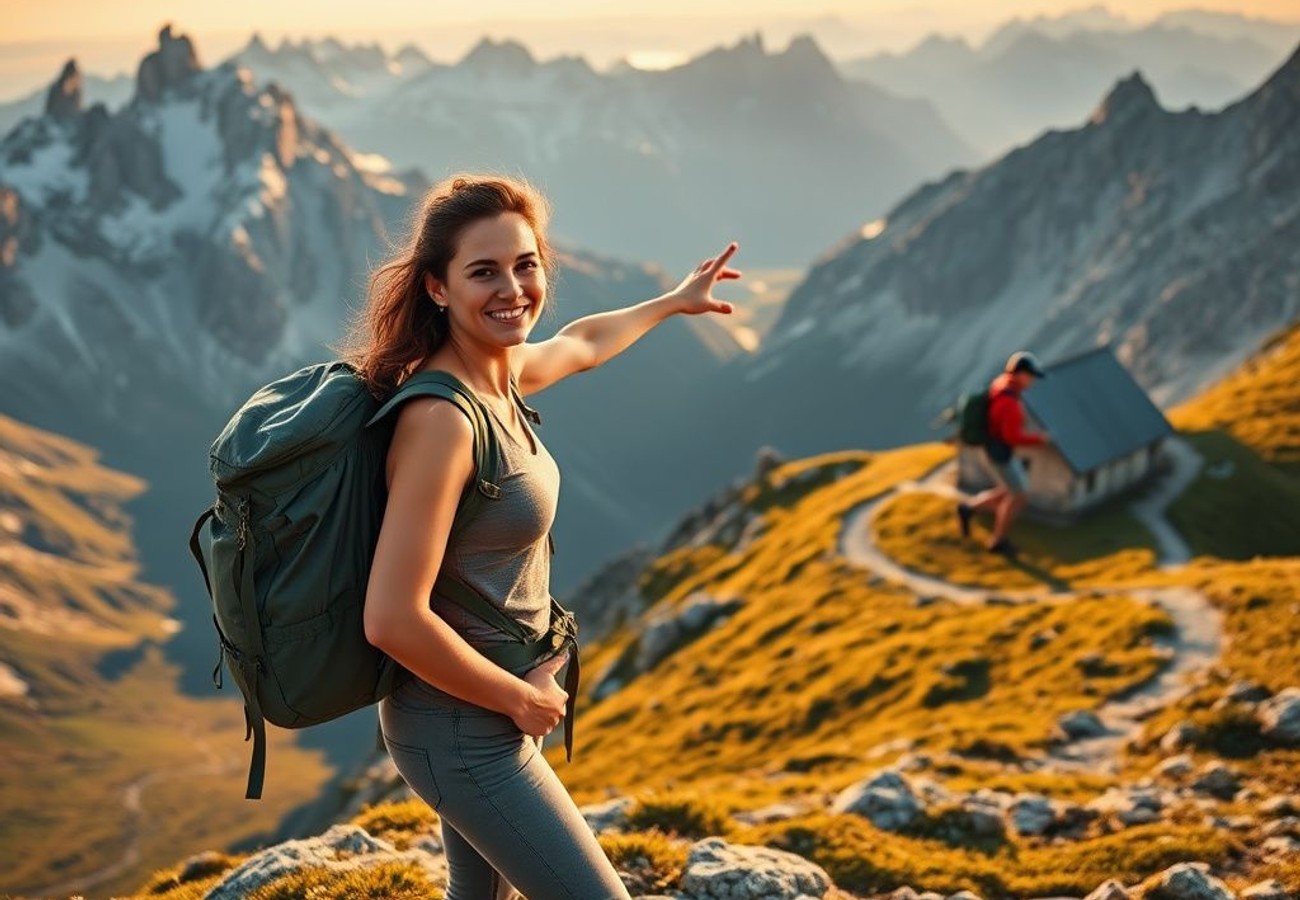
Image generated by AI
The Case for Hiking Without the Tent
Multi-day hiking tests everything—your legs, your lungs, your mental fortitude. But why add another battle to the list? Pitching a tent in the dark after eight hours on your feet isn't romance; it's punishment. Across Europe's protected landscapes, wild camping is frequently forbidden anyway, which means you'll need proper accommodation regardless.
The good news: Europe's hiking infrastructure is world-class. Mountain refuges, pilgrim hostels, and path-adjacent hotels dot the continent's most rewarding long-distance routes. A real bed, hot water, and a warm meal aren't luxuries—they're the difference between a transformative experience and a grueling ordeal.
I've researched five routes that redefine Alpine and coastal hiking. Here's where to find genuine challenge without sacrificing comfort.
South West Coast Path, England: 630 Miles of Cliff Drama
The numbers alone sound insane: 630 miles of rollercoaster terrain threading through England's most famous seaside destinations. But the closer you examine this path, the more compelling it becomes—especially the Cornish section, where the landscape shifts from generic tourist zones to genuine wilderness.
Those tall cliffs aren't backdrop scenery. They're the stage for centuries of history: tin-mining heritage, Iron Age hill-forts, and the contemporary art explosion centered in St Ives. The path winds through villages that feel lived-in, not packaged. And crucially, dotted along every major section are pubs and family-run bed-and-breakfasts offering comfort that beats any hostel.
The smart move? Skip the school holidays (July-August madness) and cherry-pick sections using public transport. You don't need to walk the entire 630 miles to feel the path's impact. A two-week summer attempt from Devon to Cornwall is manageable—provided you respect the Atlantic weather.
Reddit: "The South West Coast Path nearly destroyed me, but the B&Bs and coastal villages made it worth every blister. Book accommodation early." — r/BritishHiking
The real challenge isn't distance. It's unpredictable storms rolling in from the Atlantic. Have flexibility built into your itinerary, or accept the occasional bus ride back to civilization when weather turns.
El Camino de Santiago: The Portugués Route (Not the Tourist Gauntlet)
Everyone knows about El Camino de Santiago. Over 250 different routes now converge on the Spanish pilgrimage city, but the most popular—the final 60 miles of the Camino Francés—has become a social media phenomenon. Crowded, commercialized, and spiritually diluted.
Consider instead the Camino Portugués, the inland version starting in Porto. This 10- to 13-day, 150-mile trek skips the Instagram crowds entirely while delivering superior landscape and cultural depth. Medieval Barcelos. The fortress town of Tui. Verdant countryside that rewards genuine observation rather than photo collection.
The infrastructure here is pilgrim-focused and affordable. Albergues (pilgrim hostels) line the entire route, designed specifically for walkers. Beds cost €10-20 per night. Food is cheap and plentiful. The psychological advantage of steady pilgrim accommodation—knowing exactly where you'll sleep each night—removes a major source of hiking stress.
One underrated benefit: this route runs shadier and cooler than the Francés. If you're considering a summer attempt, the Portuguese option won't destroy you under relentless sun.
The spiritual component is present but optional. Your motivation can be landscape, history, or simply the meditative rhythm of daily walking. The Camino doesn't judge.
Tour of Monte Rosa: The Alpine Alternative to Mont Blanc
Here's a statistic that should concern you: approximately 20,000 to 25,000 hikers tackle the classic Tour du Mont Blanc each season. That's enormous foot traffic on narrow Alpine paths. If solitude matters—if you want mountain magnificence without human congestion—circle Monte Rosa instead.
This is the Alps's second-highest massif. The full tour spans 100 miles over eight to ten days and includes one glacier traverse that demands a mountain guide. But here's the flexibility: you can cable-car past that section entirely, starting your hike at a higher elevation instead.
Afterward, the hiking is straightforward. Steady feet, a head for heights, and basic Alpine competence suffice. The real revelation comes at nightfall: ski resorts in adjacent valleys offer luxurious overnight alternatives to basic mountain huts. After a grueling ridge traverse, you can shower in a hotel room, eat fine food, and sleep in actual comfort.
KE Adventure Travel and Walkers Britain both offer guided versions of this route, a smart choice if Alpine hiking is new to your skill set. The guided approach removes logistical complexity and safety concerns.
Expect non-stop visual magnificence. Monte Rosa delivers everything the Mont Blanc circuit offers—granite peaks, glacial valleys, passes at 3,000 metres—without the crowds.
Berliner Höhenweg, Austria: Mountain Huts as an Art Form
Austria understands mountain hut culture in ways other nations simply don't. The Berliner Höhenweg—a 50-mile, eight-day trek through the weatherbeaten Zillertal Alps east of Innsbruck—proves this completely.
This route is anchored by a network of eight refuges, a system that began developing in 1879. All are well-equipped and organized, though the oldest, Berliner Hütte, has evolved into a mountainside institution. These aren't spartan shelters. They're comfortable overnight bases with hot food and reliable infrastructure.
Two warnings before you commit.
First, beds here are genuinely scarce. Book at least six months in advance. This route has built a reputation, and word spreads among serious hikers.
Second, don't underestimate the technical difficulty. While this isn't technical climbing, sections like the 2,910-metre Friesenbergscharte crossing require genuine scrambling ability and a steady head above steep drops. Bring basic via ferrata equipment—a harness and carabiner-tipped leashes—so you can clip into fixed cables protecting the trickiest exposed sections.
That drama and exposure is precisely why experienced hikers value this route. It's serious Alpine hiking, not a scenic walk with accommodation included.
Alta Via 1, Italy: Three Cultures, One Remarkable Valley
For pure visual splendor, Italy's Dolomites stand unmatched. These soaring citadels of rock don't feel European—they feel primordial. The Alta Via 1 exploits this landscape perfectly, running 75 miles from Lago di Braies (also called Pragser Wildsee or Lake Prags) in the north to a bus stop on the road to Belluno in the south.
The path is demanding but not technical. Mountain huts dot the entire route. A fit, experienced hiker could finish in seven days of relentless walking, but that would be to miss the entire point. The Dolomites contain three distinct cultural and linguistic regions within their borders.
You begin among German-speakers in Südtirol. You finish among Italians in Veneto. In between, you pass through the homeland of the Ladins, a minority population of 30,000 who speak their own language entirely. This linguistic and cultural transition—experienced on foot across two weeks—provides context that bus-based tourism can never deliver.
The Dolomites have also become gastronomically sophisticated. Charming villages like San Cassiano and the grand alpine resort Cortina d'Ampezzo sit directly on or near the Alta Via 1. Building in detours for local food isn't procrastination; it's the hike's hidden curriculum.
Stretching this route from eight days to a full fortnight transforms it from ambitious hiking into genuine cultural immersion.
The Practical Reality: How to Actually Execute This
Booking is critical. For popular routes like the Berliner Höhenweg and sections of Alta Via 1, advance reservations (sometimes six months out) prevent disappointment.
Weather demands respect. Bring contingency plans. Know when to abandon your hiking schedule for a day and use public transport instead. The experience isn't about conquering the route; it's about genuine engagement with landscape and culture.
Guided hiking companies specialize in these routes specifically. If you're new to multi-day Alpine hiking, paying for guidance removes anxiety around logistics, safety, and pacing. The investment pays dividends in peace of mind.
Most importantly: hiking without camping removes a fundamental stressor. You know where you'll sleep. You know where food comes from. That stability frees your mind to actually experience the landscape, the culture, and the transformation that serious walking provides.
Don't let camping gear dictate your hiking dreams—Europe's mountain refuges and pilgrim hostels exist precisely for this.
Related Travel Guides
Disclaimer
This article is for informational and educational purposes only. It does not constitute legal, financial, or professional advice. While we strive to provide accurate and up-to-date information, travel policies, regulations, and conditions change rapidly. Always verify information with official sources before making travel decisions. Nomad Lawyer makes no representations about the accuracy, reliability, completeness, or suitability of the information provided. Readers should consult qualified professionals for advice specific to their circumstances. The views expressed in this article are those of the author and do not necessarily reflect the views of Nomad Lawyer.
Raushan Kumar
Founder & Lead Developer
Full-stack developer with 11+ years of experience and a passionate traveller. Raushan built Nomad Lawyer from the ground up with a vision to create the best travel and law experience on the web.
Learn more about our team →