
Europe's 8 Best Rail-to-Trail Hikes: Train Direct to Hiking Paradise in 2026
Skip the car rental chaos. Europe's interconnected rail network unlocks 8 stunning rail-to-trail hikes from Greece's gorges to the Alps, with trains delivering you trailside in hours.

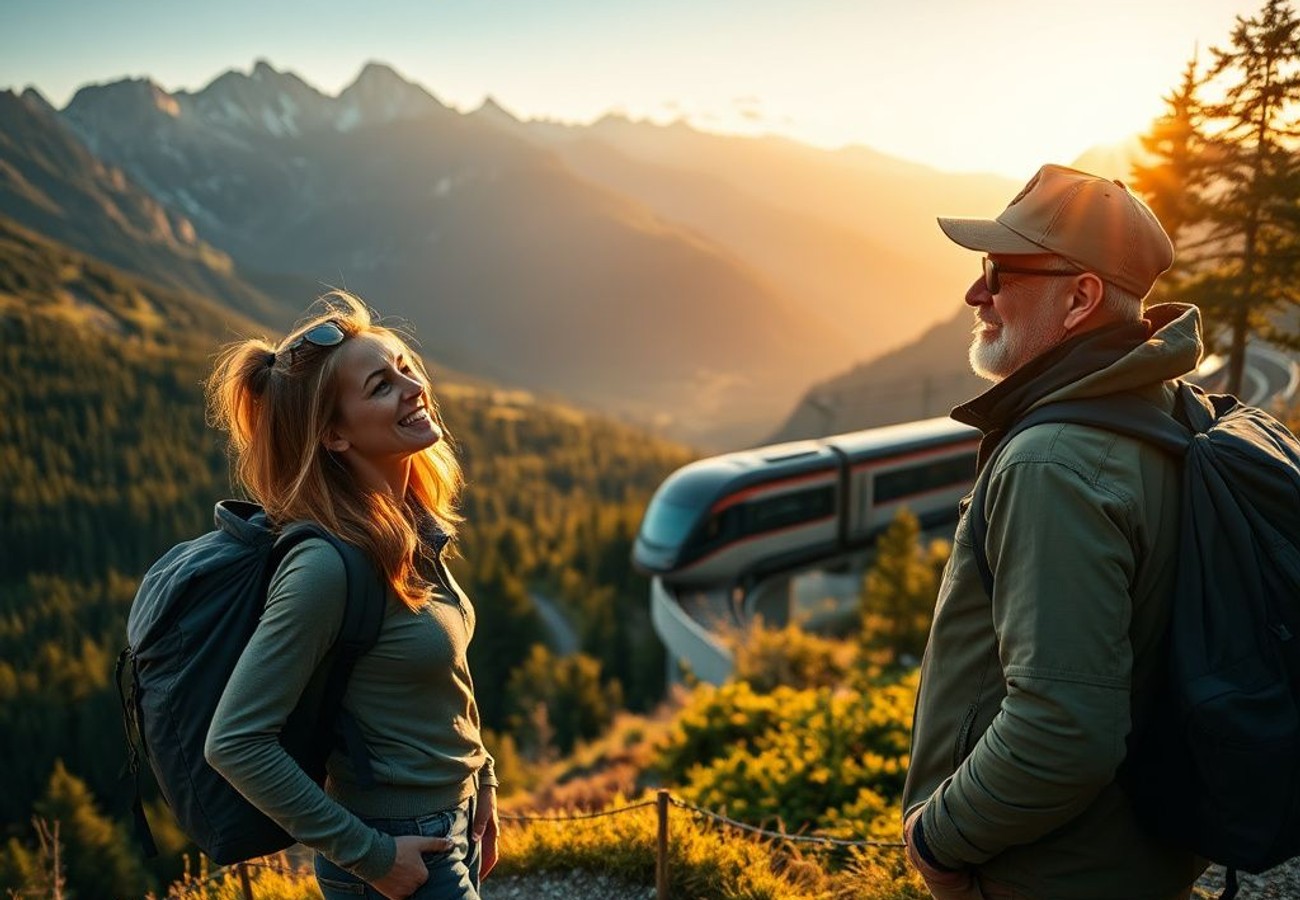
Image generated by AI
Europe's hiking scene just got infinitely more accessible—and you don't need a rental car to unlock it.
The continent's increasingly sophisticated rail network has triggered a quiet revolution in how adventurers reach the continent's most dramatic landscapes. Rail-to-trail hiking eliminates the logistical headaches that traditionally plagued multi-day trek planning. Lace up your boots at a train station, walk into wilderness, and catch the next train home.
I spent the last month tracking down eight of Europe's most compelling rail-accessible hikes—from half-day gorge scrambles to week-long Alpine epics. Here's where the trains take you.
Petworth Way: English Countryside at Its Most Seductive (2 Days, South England)
The British South Downs rarely make international headlines. They should.
Petworth Way threads through the quietest corner of Sussex, beginning in Haslemere (a crisp 50-minute train ride from London's Waterloo Station) and concluding in the village of Arundel. This two-day, chalk-hill amble doesn't demand Alpine fitness or mountaineering credentials—just steady legs and an appreciation for understatement.
The trail ribbons past cornfields, ancient woodlands, and the kind of one-pub villages where you can actually stop for lunch without checking your watch. The highlight arrives early: Blackdown, a modest 218-meter rise offering views that moved poet Alfred Tennyson to describe the landscape as "green Sussex fading into blue with one grey glimpse of sea."
Near Arundel, the Jacobean mansion houses Turner paintings and a deer park designed by Capability Brown, the 18th-century landscape architect who essentially invented the English countryside aesthetic. A night's rest here, then hop the southbound train back to London by evening.
Vouraikos Gorge: Greece's Ravine Secret (3-4 Hours, Peloponnese)
Forget island beaches. Greece's Northern Peloponnese conceals one of Europe's most dramatic half-day treks.
The Vouraikos Gorge hike follows an abandoned railway bed through a limestone chasm so steep and riddled with caves that the original track required both tunnels and rickety iron bridges to navigate. The Odontotos rack railway (operating since 1896) still runs between Diakopto and Kalavryta, stopping at Mega Spileo—where a monastery founded in 362 AD clings to the cliff face.
The eight-mile trail descends into the ravine from Zachlorou (reached via an hour's walk from Mega Spileo station), and what unfolds is pure geological theater: limestone walls punching skyward, water tunnels, and eventually the blue expanse of the Corinthian Gulf at journey's end. The town of Diakopto offers connecting trains to Athens.
Reddit: "Walked the Vouraikos yesterday. The gorge hit different than beach tourism. Felt like discovering secret Europe." — r/travel
Lake Bohinj: Alpine Mirror-Walk (3-5 Hours, Slovenia)
Lake Bohinj is where the Julian Alps meet their own reflection.
Rimmed by densely forested slopes within Triglav National Park, this seven-mile half-day circuit ranks among Europe's most effortless scenic victories. Start in the hamlet of Ribčev Laz (approximately one hour's hike from Bohinjska Bistrica railway station) and you immediately understand why Mother Nature invested serious effort here. The trail threads shoreline pebble beaches where summer water temps reach a swimmable 22°C, alternates between woods and open vistas, and never asks much of your lungs.
The going is genuinely easy. The views are absolutely not.
Caminito del Rey: Spain's (Formerly) Deadliest Walk (3-4 Hours, Andalusia)
Once billed as the world's most dangerous hiking trail, the Caminito del Rey retained its dramatic DNA even after safety renovations in 2014.
This 4.8-mile boardwalk trajectory clings to the sheer limestone walls of the Gaitanes Gorge, where vertical drops reach 700 meters above the Guadalhorce River. Ancient juniper trees, Jurassic-era fossils embedded in stone, and griffon vultures circling thermals provide the backdrop. King Alfonso XIII hiked it in 1921 without a helmet; you'll want one.
Access requires a shuttle from El Chorro station to the Ardales trailhead. Trail tickets cost €10 (self-guided) or €18 (guided) and demand booking two to three months ahead. Helmets included.
Lais da Macun: Switzerland's Alpine Plateau (7-8 Hours, Graubünden)
The Swiss National Park, buried in the Lower Engadin Valley near the Italian border, isn't Switzerland's most famous hiking destination. It absolutely should be.
The Lais da Macun hike represents the park's masterpiece: a moderately challenging 14-mile traverse from Lavin to Zernez crossing an Alpine plateau necklaced with 23 jewel-like glacial lakes. Each shifts through impossible shades of green and blue depending on light and mineral content. Deep forests, boulder-crushing rivers, and glacier-capped peaks create a landscape where you could easily misplace several days.
SBB, the Swiss national railway, operates services from Zurich to Lavin in roughly two hours. Start early. Check weather obsessively.
Hardangervidda: Europe's Largest Mountain Plateau (4-5 Hours, Norway)
Europe's largest mountain plateau sits in Norway, and it looks like a location scout's fever dream.
Hardangervidda sprawls across the landscape with booming waterfalls, fjords, and glacier-carved valleys where Arctic fox, elk, and wild reindeer roam unperturbed. The half-day, six-mile introduction walks from Finse railway station (accessible via the Bergen Line, one of the world's most scenic train routes) to the deeply crevassed Hardangerjøkulen glacier.
Hiking season opens as snow melts, peaking July through August. You could spend weeks here. But even this abbreviated version captures what makes Norwegian wilderness intoxicating: raw, vast, and reassuringly empty.
Via Francigena: Medieval Tuscany on Foot (7-8 Days, Italy)
The Via Francigena is Europe's longest-running pilgrimage route: 1,383 miles from Canterbury to Rome, requiring approximately 100 days to complete. This seven-to-eight-day, 83-mile Tuscan segment from Lucca to Siena captures the pilgrimage's essential magic without requiring weeks away.
The route traces the footsteps of Archbishop Sigeric the Serious through walled medieval hill towns that read like rosary beads: San Gimignano (UNESCO-inscribed, 14 towers, unreal), Monteriggioni (referenced in Dante's Divine Comedy), and dozens of smaller villages where Renaissance architecture collides with working farmland.
Poppies and sunflowers light fields. Chianti corks pop at sunset. Bells toll from clocktowers. This is Tuscany before postcards commercialized it.
Reach Lucca via ItaliaRail service from Florence. Most hikers rest in cosy local bed-and-breakfasts between stages. The rail infrastructure across Italy has expanded significantly to support exactly this style of travel.
Tour du Mont Blanc: The Alpine Grand Slam (7-11 Days, France/Italy/Switzerland)
When Mont Blanc (the Alps' tallest peak at 4,808 meters) looms above you, cursing your blister-covered feet feels entirely reasonable.
The Tour du Mont Blanc hike loops around the massif across 112 miles, threading France, Italy, and Switzerland. High-Alpine passes, thundering rivers, and wildflower-freckled meadows provide the curriculum. A 20-minute train ride from Chamonix deposits you at Les Houches railway station, where the adventure begins.
Hike anticlockwise from late June through mid-September, sleeping at remote mountain refuges that serve hot meals and occasionally private rooms. The off-the-chart beauty matches starry nights that make civilization feel impossibly distant.
Much Better Adventures offers 10-day guided versions with accommodation and meals from £2,144, though self-guided trekkers using European train passes can reduce costs substantially.
Logistics That Actually Work
Europe's rail network has evolved specifically to support this travel style. Book your train tickets immediately; buy hiking permits and refuge slots during shoulder season (May, September). Trains depart early, so you're lacing boots while most tourists polish off breakfast.
Pack light. Hostels and guesthouses in trail towns are accustomed to muddy hikers arriving at dusk. Many offer laundry services and secure luggage storage.
The golden age of stress-free European hiking just arrived—and you board it at the station.
Related Travel Guides
Disclaimer
This article is for informational and educational purposes only. It does not constitute legal, financial, or professional advice. While we strive to provide accurate and up-to-date information, travel policies, regulations, and conditions change rapidly. Always verify information with official sources before making travel decisions. Nomad Lawyer makes no representations about the accuracy, reliability, completeness, or suitability of the information provided. Readers should consult qualified professionals for advice specific to their circumstances. The views expressed in this article are those of the author and do not necessarily reflect the views of Nomad Lawyer.
Kunal K Choudhary
Co-Founder & Contributor
A passionate traveller and tech enthusiast. Kunal contributes to the vision and growth of Nomad Lawyer, bringing fresh perspectives and driving the community forward.
Learn more about our team →