
European Sleeper Expands Rail Network Connecting Brussels Amsterdam Copenhagen and Malmö by 2028
European Sleeper is launching a new night train corridor connecting the Netherlands, Belgium, Denmark, and Sweden by April 2028 to drive sustainable tourism growth.

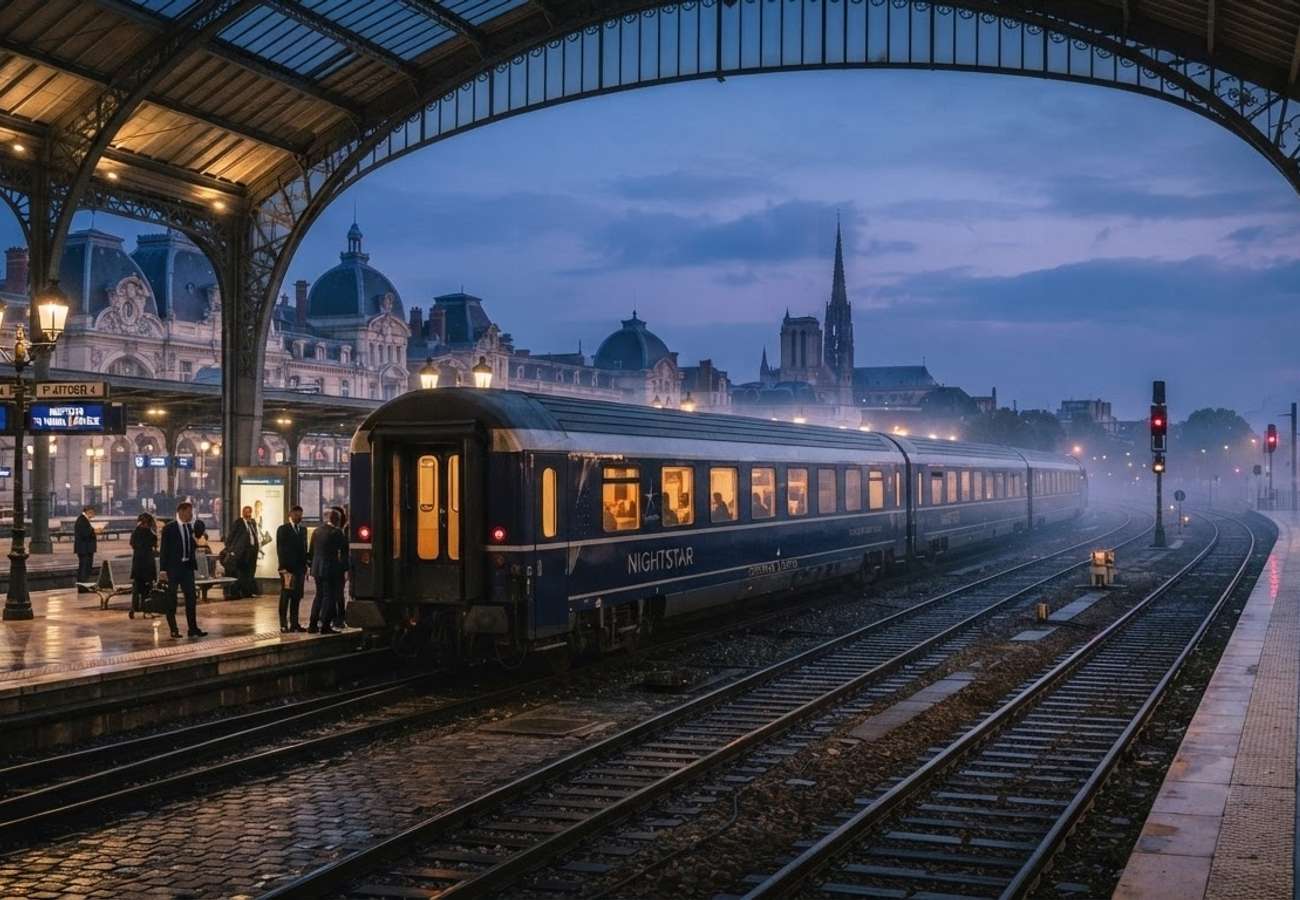
Image generated by AI
European Sleeper has announced a strategic expansion of its night train network, establishing a new tourism corridor connecting the Netherlands, Belgium, Denmark, and Sweden. Scheduled for launch in April 2028, the route will link Brussels, Amsterdam, Copenhagen, and Malmö.
This development signals a shift in European international transport, prioritizing the revival of overnight rail to reduce reliance on short-haul aviation. By integrating these four nations into a single sleeper corridor, the initiative aims to facilitate environmentally responsible travel and increase destination accessibility across Western Europe and Scandinavia.
Strategic Hubs and Regional Impact
The network design positions specific cities as primary gateways, altering the logistical flow of tourists moving between the Benelux region and Northern Europe.
The Netherlands: The Sustainable Gateway Amsterdam serves as a central node for the route. While traditionally an aviation hub, the city is transitioning toward a sustainable travel center. This connection allows Dutch travelers direct overnight access to Scandinavia and attracts international visitors to Dutch cultural sites before they proceed to Denmark or Sweden. Key benefits include:
- Increased demand for rail-based holiday packages.
- Growth in sustainable city-break tourism in Amsterdam, Rotterdam, and The Hague.
- A viable lower-carbon alternative to regional flights.
Belgium: The Western Terminus Brussels will function as the western launch point. This positioning strengthens Belgium's role as a transport hub, allowing tourists to combine visits to European institutions and historic Belgian architecture with Scandinavian itineraries. The connection is expected to drive international rail arrivals and boost demand for Brussels-based city breaks.
Denmark: The Scandinavian Link Copenhagen acts as the critical transit point between Western Europe and Sweden. Already a leader in green urban planning and cycling culture, Copenhagen will see an increase in environmentally conscious travelers arriving without the need for flights, subsequently increasing demand for local hospitality and hotel sectors.
Sweden: Opening the Southern Gateway Malmö will be the first Swedish destination integrated into the European Sleeper network. Its proximity to Copenhagen via the Øresund Bridge makes it a strategic entry point for visitors exploring the Skåne region. This link provides a springboard for further travel toward Stockholm and Oslo.
Operational Specifications and Logistics
The expansion is supported by a partnership with the German railway operator RDC, leveraging their expertise in Scandinavian night train operations.
Planned Service Schedule
- Departure: Approximately 7:00 PM from Brussels and Malmö.
- Arrival: Approximately 10:00 AM the following morning.
Accommodation Options The service will cater to various budget and comfort levels through four distinct tiers:
- Standard comfortable seats.
- Couchette compartments.
- Standard sleeper cabins.
- Deluxe sleeper options featuring premium facilities.
Route Connectivity Overview
| Origin/Stop | Destination/Stop | Key Strategic Role |
|---|---|---|
| Brussels | Amsterdam | Western European Launch Point |
| Amsterdam | Copenhagen | Sustainable Travel Gateway |
| Copenhagen | Malmö | Scandinavian Hub & Transit |
| Malmö | Onward to Stockholm/Oslo | Swedish Entry Point |
Why This Matters: Industry Analysis
From a logistical perspective, this route is not merely about adding tracks; it is about competing with the "low-cost carrier" (LCC) model. For travelers on this route, the real impact is the elimination of the "airport friction"—the combined time lost to security queues, airport transfers, and boarding delays.
Our analysis of the route map suggests a strategic move to capture the "slow travel" market. By turning the transit itself into a tourism experience, European Sleeper is expanding the value chain of the trip. Instead of a two-hour flight that is viewed as a chore, a 15-hour sleeper journey becomes a curated experience.
Furthermore, this creates a "multiplier effect" for regional economies. A traveler is now more likely to spend 48 hours in Brussels and 48 hours in Copenhagen on a single ticket, rather than flying point-to-point between two major capitals. This redistributes tourism spending across multiple borders and cities.
Forward Outlook
The Scandinavian expansion is part of a broader aggressive growth strategy. European Sleeper is currently developing additional corridors targeting Milan and Barcelona, suggesting a long-term goal of creating a comprehensive overnight rail grid across the continent.
The success of the April 2028 launch will depend heavily on the integration of ticketing systems across the different national rail operators and the ability to maintain competitive pricing against budget airlines. If successful, this corridor will likely serve as the blueprint for future night train expansions into Eastern Europe.
The revival of the sleeper train is no longer a nostalgia project; it is a calculated infrastructure pivot toward decarbonized tourism.
Related Travel Guides
Disclaimer
This article is for informational and educational purposes only. It does not constitute legal, financial, or professional advice. While we strive to provide accurate and up-to-date information, travel policies, regulations, and conditions change rapidly. Always verify information with official sources before making travel decisions. Nomad Lawyer makes no representations about the accuracy, reliability, completeness, or suitability of the information provided. Readers should consult qualified professionals for advice specific to their circumstances. The views expressed in this article are those of the author and do not necessarily reflect the views of Nomad Lawyer.
Raushan Kumar
Founder & Lead Developer
Full-stack developer with 11+ years of experience and a passionate traveller. Raushan built Nomad Lawyer from the ground up with a vision to create the best travel and law experience on the web.
Learn more about our team →