European Rural Tourism Shift: Italy and France Lead 2026 Countryside Retreat Trends

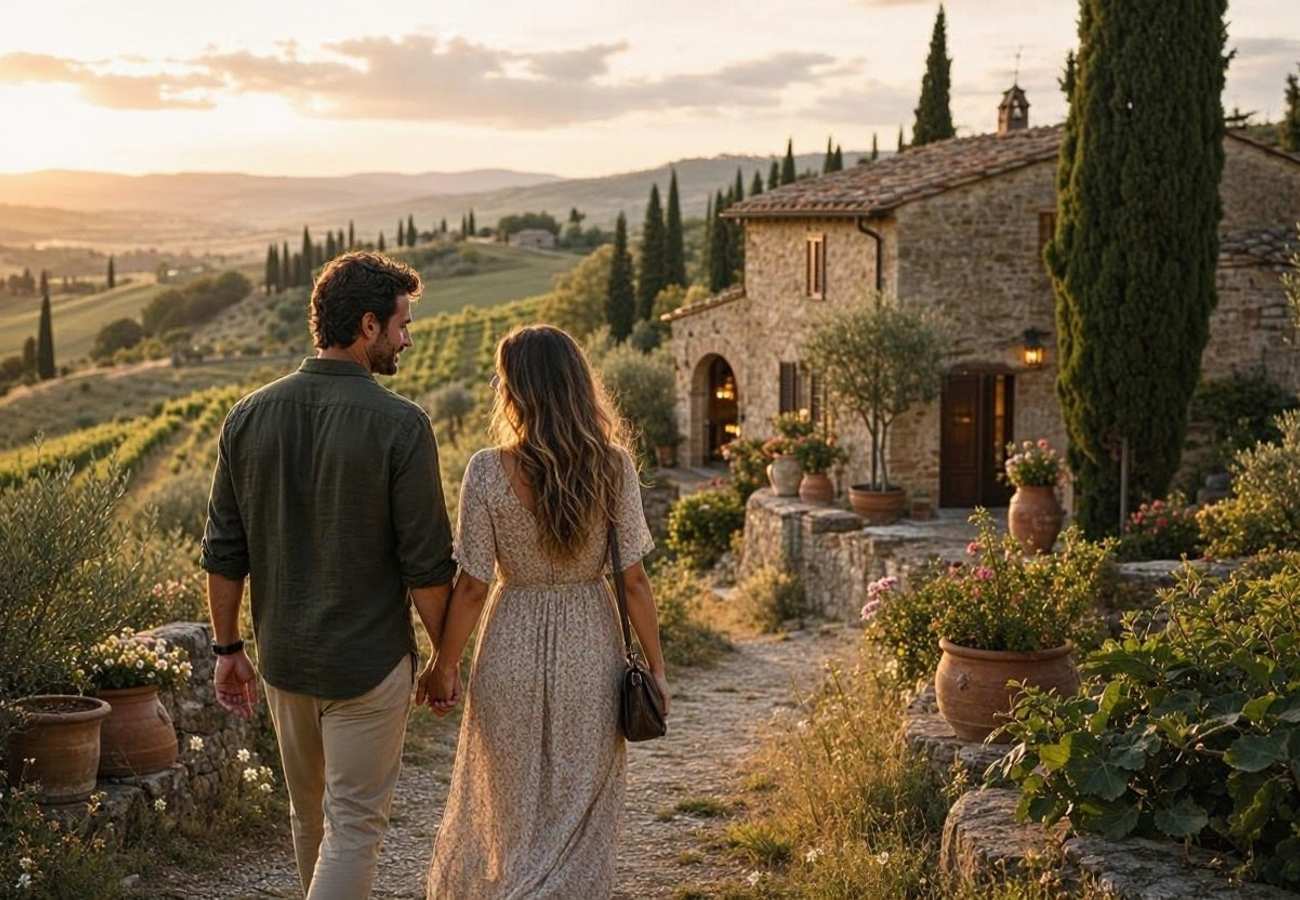
Image generated by AI
Traditional urban tourism hubs are seeing a measurable redistribution of traffic as travelers pivot toward "slow itineraries," with rural occupancy rates in regions like Tuscany and Provence now rivaling primary city centers during peak seasons. This shift represents a fundamental change in consumer behavior, moving away from the "checklist" tourism of capital cities toward immersive, agricultural, and nature-based experiences.
The Rural Pivot in Numbers: Market Dominance and Emergent Zones
The 2026 data indicates a tiered structure in European countryside tourism. Tier 1 markets—comprising Italy, France, Switzerland, Austria, Spain, and Portugal—possess the most mature infrastructure, combining high-capacity accessibility with established brand recognition (e.g., the "Tuscany" or "Provence" labels). These regions have successfully integrated agritourism into their national economic strategies, leveraging vineyard estates and medieval village networks to capture high-spend international demographics.
Simultaneously, a secondary growth wave is hitting Southeastern Europe. Nations such as Albania, Montenegro, and Romania are seeing a surge in "discovery travel." These markets are characterized by a lower cost-of-entry for the traveler but a higher demand for authentic, community-led tourism. In Albania, the Theth and Valbona regions are transitioning from niche trekking spots to recognized rural destinations, mirroring the early growth patterns of the Slovenian Julian Alps.
Comparative Analysis: Established vs. Emerging Rural Markets
The following table breaks down the structural differences between the legacy rural powerhouses and the emerging nature-tourism hubs of 2026.
| Market Category | Primary Destinations | Core Value Proposition | Signature Infrastructure | Growth Driver |
|---|---|---|---|---|
| Established (Tier 1) | Italy (Tuscany), France (Provence), Switzerland (Bernese Oberland) | Luxury Agritourism & Gastronomy | High-end Wine Estates, Mountain Railways | Brand Heritage |
| Developing (Tier 2) | Slovenia (Soča Valley), Croatia (Istria), Norway (Fjords) | Eco-Tourism & Outdoor Adventure | Boutique Eco-lodges, Kayaking Hubs | Sustainability |
| Emerging (Tier 3) | Albania (Theth), Montenegro (Durmitor), Romania (Transylvania) | Authentic Community & Raw Nature | Traditional Guesthouses, Rural Homestays | Value & Novelty |
According to the World Tourism Organization (UNWTO), the diversification of tourism away from urban centers is a key strategy for mitigating "overtourism" in cities like Venice and Paris. By distributing visitor spend to the hinterlands, these nations are attempting to stabilize local economies that were previously dependent solely on seasonal agriculture.
What This Means for Travelers
For the individual traveler, the data suggests that the "peak season" window for rural Europe has expanded. While summer remains the primary draw for the Mediterranean countryside, the rise of "Alpine wellness" in Austria and Switzerland has created a year-round demand cycle.
Booking Strategies for 2026:
- Tier 1 Destinations (Italy/France): Because these regions have reached a saturation point in popularity, booking 4-6 months in advance for specific "agriturismo" estates or vineyard stays is now mandatory.
- Tier 3 Destinations (Albania/Montenegro): These areas offer more flexibility, but infrastructure is limited. Travelers should prioritize booking locally-operated guesthouses over large agencies to ensure authentic community integration.
- Transport Logistics: Rural tourism requires a shift in transit. While cities are walkable, the "Rural Retreat" trend necessitates car rentals or specialized regional rail passes. Travelers visiting the Douro Valley in Portugal or the Black Forest in Germany should budget for private transport to access non-hub villages.
For those looking to avoid the crowds of the Mediterranean, shifting focus toward the World Travel & Tourism Council (WTTC) recognized growth zones in Eastern Europe can provide similar scenic value at a significantly lower price point.
Forward Projection: The Future of the Hinterlands
The trajectory of European travel is moving toward "Hyper-Localization." We expect to see a rise in specialized "themed" rural circuits—such as truffle tourism in Croatia's Istria region or dark-sky tourism in Portugal's Alentejo.
The next 24 months will likely see an increase in government-backed incentives for rural hospitality. As urban centers implement stricter visitor caps, the "overflow" will accelerate the development of the Albanian Alps and the Romanian Carpathians. However, the risk remains that these "hidden gems" may follow the same path as the Cotswolds or the Loire Valley, moving from authentic retreats to curated tourist zones.
FAQ: European Rural Tourism 2026
Will rural accommodation prices increase in 2026? Yes. As demand shifts from cities to the countryside, boutique farm stays and rural estates in Italy and France are adjusting prices upward to match urban luxury rates.
Is it better to visit the countryside in summer or shoulder season? Shoulder seasons (May-June and September-October) are optimal. You avoid the harvest-period overcrowding and the extreme heat of the Mediterranean interior.
Which emerging country offers the best value for nature lovers? Albania currently offers the highest value-to-scenery ratio, particularly for trekking and mountain tourism in the northern highlands.
Do I need a rental car for these regions? Almost always. While some regions like Switzerland have excellent mountain railways, the majority of rural retreats in Spain, Portugal, and Romania require a vehicle for meaningful exploration.
The map of European travel is being redrawn, shifting the center of gravity from the city square to the vineyard vine.
Related Travel Guides
This article is for informational purposes. Flight routes, passenger regulations, visa rules, and transit advisories are subject to change by airlines and aviation authorities. Readers are advised to verify schedules and travel documentation with relevant carriers and border agencies before departure.
Related Stories
Ireland Narrow Water Bridge Construction Forces Risky Carlingford Lough Greenway Detours in 2026

Hyatt Appoints Xavier Destribats to Lead Hôtel du Palais Biarritz Amid Loss of Palace Status 2026