
Denmark Sweden and Switzerland Lead Global Sustainable Travel Transformations with Green Infrastructure in 2026
Denmark, Sweden, Finland, and Switzerland are redefining global tourism through massive investments in renewable energy, electric mobility, and alpine conservation to attract eco-conscious travelers in 2026.

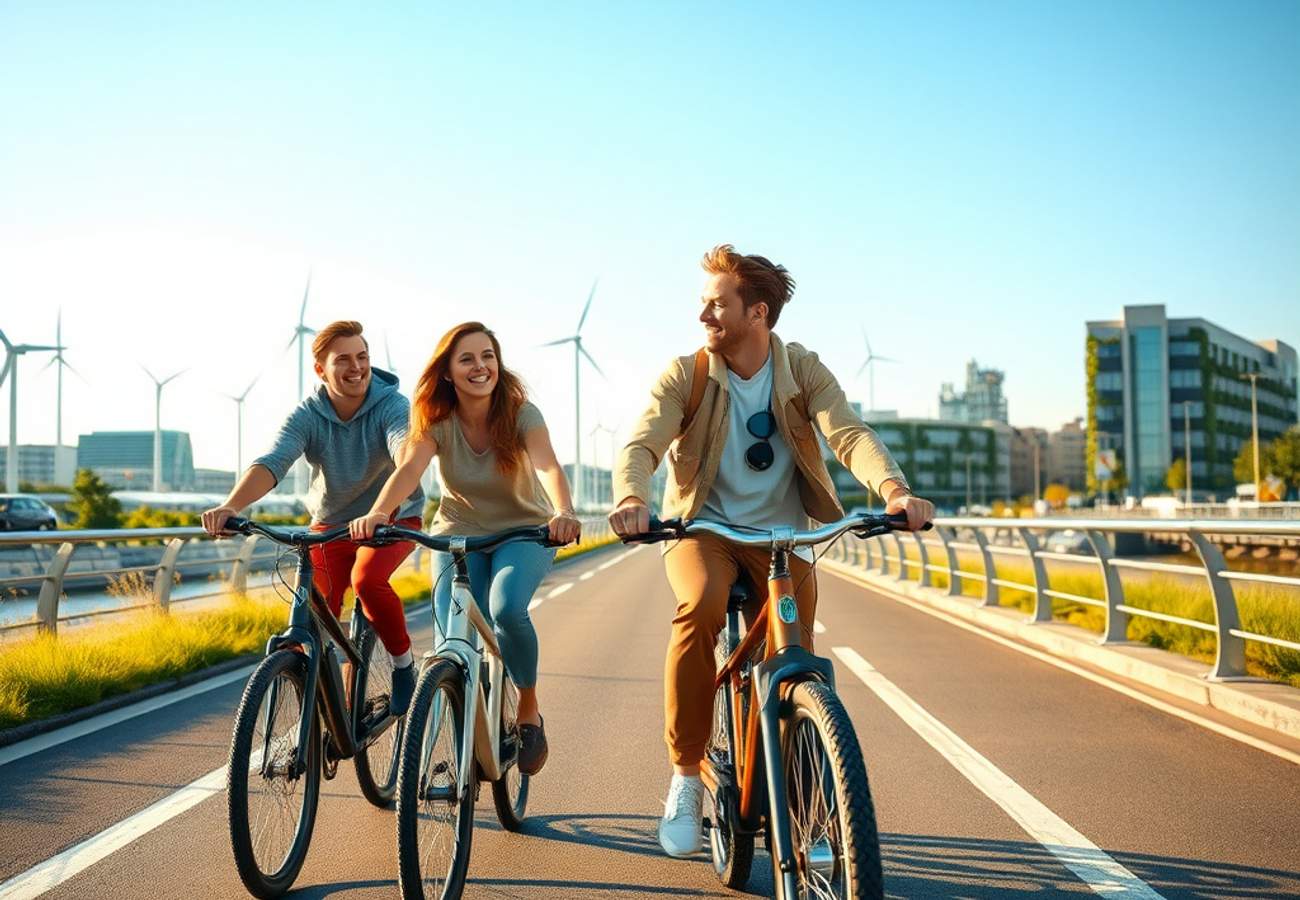
Image generated by AI
Global tourism is undergoing a systemic shift as nations integrate aggressive climate policies with visitor infrastructure. Leading the transition are Denmark, Sweden, Finland, and Switzerland, which have successfully decoupled tourism growth from environmental degradation through renewable energy and strict conservation mandates.
The 2026 global travel landscape is increasingly defined by "Information Gain" regarding a destination's carbon footprint. Travelers are no longer seeking mere "eco-friendly" labels but are prioritizing countries with verified national strategies in renewable energy, circular economies, and biodiversity protection.
National Sustainability Profiles and Core Strengths
The following nations have established the benchmark for integrating environmental responsibility into the tourist experience, utilizing a mix of geothermal, wind, and hydroelectric power to sustain their infrastructure.
| Country | Primary Sustainability Strength | Key Infrastructure Focus |
|---|---|---|
| Denmark | Renewable Energy & Clean Tech | Wind power & cycling networks |
| Sweden | Climate Innovation | Circular economy & forest protection |
| Finland | Ecosystem Management | Sustainable forestry & nature-based tourism |
| Switzerland | Alpine Conservation | High-efficiency rail & mountain protection |
| Costa Rica | Biodiversity Protection | National park systems & eco-tourism |
| Norway | Electric Mobility | EV adoption & fjord preservation |
| Iceland | Geothermal Leadership | Renewable heating & volcanic site management |
| New Zealand | Nature Conservation | Biodiversity & sensitive area management |
| Germany | Energy Transition | Renewable urban planning & cycling paths |
Regional Analysis: The European Green Corridor
Denmark: The Wind Power Model
Denmark has transitioned its tourism infrastructure to rely heavily on large-scale wind power development. Copenhagen serves as the primary case study for low-carbon urban planning, where cycling networks are prioritized over automotive transit. For the traveler, this manifests as a seamless integration of eco-certified hotels and carbon-neutral city mobility.
Sweden and Finland: The Boreal Preservationists
Sweden focuses on a circular economy model, reducing waste and improving energy efficiency within its hospitality sector. Similarly, Finland leverages its vast forest ecosystems to promote "slow tourism," shifting visitor traffic away from overcrowded hubs toward managed wilderness areas. Both nations emphasize the protection of northern wilderness as a core economic asset.
Switzerland: Rail-Centric Alpine Transit
Switzerland has mitigated the impact of tourism on fragile mountain ecosystems by investing in one of the world's most dense and efficient rail networks. By prioritizing rail-focused mobility over private vehicle rentals, Switzerland preserves its alpine landscapes while maintaining high visitor accessibility.
Global Eco-Tourism Benchmarks: Costa Rica and Beyond
Outside of Europe, Costa Rica remains the gold standard for converting biodiversity protection into economic growth. By focusing on nature-focused travel experiences and sustainable local tourism models, the country avoids the pitfalls of mass tourism, ensuring that local communities benefit directly from conservation efforts.
In the Pacific, New Zealand continues to implement strict management of tourism impacts in sensitive natural areas, ensuring that biodiversity is not compromised by increasing visitor numbers.
Traveler Logistics Guide: Navigating Green Destinations
Transitioning to sustainable travel requires specific logistical adjustments. To maximize efficiency and minimize footprint, travelers should implement the following strategies:
1. Optimal Connection Planning
- Switzerland: Avoid renting cars in the Alps. Use the Swiss Travel Pass for seamless transfers between trains, buses, and boats.
- Denmark: Utilize the Copenhagen cycling infrastructure. Most hotels now provide "Green Keys" or eco-certified rentals.
- Norway: Prioritize electric ferries when visiting fjords to comply with emerging zero-emission maritime regulations.
2. Digital Transit & Policy Compliance
- ETIAS & Digital Entry: Ensure all digital travel authorizations are completed prior to arrival in the Schengen Area to avoid congestion at borders.
- Sustainable Certification: Look for the "EU Ecolabel" or "Green Key" when booking accommodations to ensure the property adheres to verified sustainability standards.
3. Layover and Transit Tips
- When connecting through major hubs like Frankfurt or Copenhagen, utilize the airport's internal sustainable transit options and avoid short-haul flights in favor of high-speed rail (ICE or SJ) for regional travel.
Infrastructure Impact Assessment
The shift toward green infrastructure is not merely an environmental choice but a strategic economic move. By investing in electric mobility and renewable energy, these nations are reducing their long-term operational costs and protecting the very natural assets that drive their tourism revenue. The result is a more resilient tourism model that can withstand the volatility of climate change while providing a high-quality, low-impact experience for the global nomad.
The transition to sustainable travel is no longer an alternative option; it is the new operational standard for global transit.
Related Travel Guides
Disclaimer
This article is for informational and educational purposes only. It does not constitute legal, financial, or professional advice. While we strive to provide accurate and up-to-date information, travel policies, regulations, and conditions change rapidly. Always verify information with official sources before making travel decisions. Nomad Lawyer makes no representations about the accuracy, reliability, completeness, or suitability of the information provided. Readers should consult qualified professionals for advice specific to their circumstances. The views expressed in this article are those of the author and do not necessarily reflect the views of Nomad Lawyer.
Preeti Gunjan
Contributor & Community Manager
A passionate traveller and community builder. Preeti helps grow the Nomad Lawyer community, fostering engagement and bringing the reader experience to life.
Learn more about our team →