
Europe's Royal Heritage Trail 2026: Insider Guide to Prague Castle, Schönbrunn, and Iconic Palaces

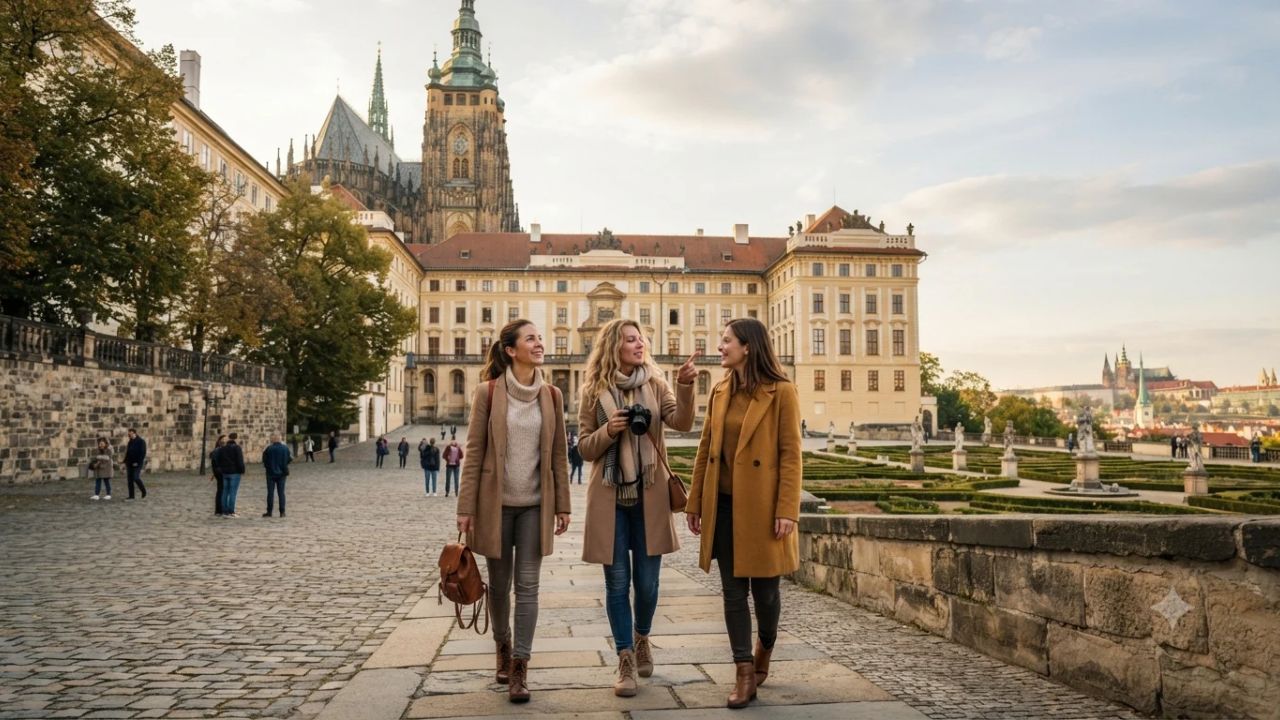
Covering nearly 70,000 square meters as the largest ancient castle complex on Earth, Prague Castle remains so vast that walking its outer ramparts and Gothic courtyards requires more than three hours on foot. Across Europe, iconic royal fortresses and imperial residences are redefining the modern heritage experience. Rather than treating these historic monuments as brief photo stops, international travelers are structuring immersive cultural itineraries around grand estates such as Vienna's Schönbrunn Palace, Madrid's Royal Palace, Bavaria's Neuschwanstein, and London's royal residences.
Verified attendance records from official heritage departments highlight the enduring global fascination with European court architecture. In August 2026, the Bavarian government announced that Neuschwanstein Castle had welcomed its 75-millionth visitor since opening to the public in 1886, sustaining roughly 1.1 million annual visitors alongside 5.11 million total visits across Bavaria's 45 state-managed palaces and castles in 2025. Similarly, Spain's Patrimonio Nacional recorded 1,421,428 visits to the 135,000-square-meter Royal Palace of Madrid within a broader network of 6,370,770 historic site visits in 2023, while the UK's Royal Collection Trust welcomed 590,000 visitors to Buckingham Palace and 1.267 million to Windsor Castle as part of 2.7 million royal estate entries in 2025/26.
Architectural Mastery and Verified Milestones Across Royal Europe
Europe's premier castles and palaces divide into two distinct typologies: fortified medieval strongholds built for territorial defense, and palatial baroque residences designed to project diplomatic prestige.
At Prague Castle, recognized as a UNESCO World Heritage Site with over a millennium of history, visitors encounter a miniature city comprising St. Vitus Cathedral, the Old Royal Palace, St. George's Basilica, and Golden Lane. The castle grounds open daily from 6:00 a.m. to 10:00 p.m. during the summer season, allowing early risers to experience the soaring stone flying buttresses before tour groups arrive.
Other flagship European royal sites showcase distinct historical narratives:
- Schönbrunn Palace (Austria): The Habsburg summer residence features 1,441 imperial rooms, the Gloriette colonnade, and vast formal French parterres that draw millions of international visitors to Vienna each year.
- Palace of Versailles (France): Spanning the Hall of Mirrors and extensive canal estates, Versailles stands as the ultimate expression of 17th-century French classical monarchy.
- The Alhambra (Spain): Managed by the Patronato de la Alhambra y Generalife, Granada's hilltop citadel unites the Nasrid Palaces, the Alcazaba fortress, and the water gardens of the Generalife.
- Tower of London (United Kingdom): Historic Royal Palaces records over three million annual visitors exploring the White Tower, medieval battlements, and the Crown Jewels.
- Wawel Royal Castle (Poland): Overlooking the Vistula River in Krakow, this Renaissance residence showcases Polish royal coronation chambers and state collections.
- Malbork Castle (Poland): The world's largest brick Gothic fortress, built by the Teutonic Knights along the Nogat River near Gdańsk.
- Bran Castle (Romania): Perched in the Transylvanian Carpathians near Brașov, blending 14th-century customs defense architecture with royal retreats of Queen Marie.
- Buda Castle (Hungary): Dominating the Danube skyline in Budapest alongside Fisherman's Bastion and Matthias Church.
- Edinburgh Castle (Scotland): Anchoring the volcanic plug at the top of the Royal Mile with centuries of Scottish military history.
- Montjuïc Castle (Spain): Guarding Barcelona's harbor with panoramic Mediterranean ramparts.
- Heidelberg Castle (Germany): Overlooking the Neckar Valley with dramatic red sandstone Renaissance ruins.
What Makes Central and Western European Estates Distinct
The distinction between Central European and Western European royal estates lies in their urban integration. In cities like Prague, Krakow, and Budapest, castles sit directly within the historic urban core, functioning as public thoroughfares where residents walk dogs and cross between riverbanks.
In contrast, French and Austrian estates such as Versailles and Schönbrunn were deliberately established on the rural periphery of royal capitals. This layout enabled monarchs to design extensive hydraulic garden networks, hunting forests, and private menageries that required hundreds of acres of manicured terrain.
Visitor Insider Tips for Touring Europe's Grand Estates
Unlocking the finest experiences at Europe's iconic palaces requires thoughtful timing and localized strategies:
- Visit Prague Castle Grounds at Dawn: Enter the outer courtyards through the Castle District tram stop (Pohořelec) at 6:30 a.m. when grounds open. You can admire St. Vitus Cathedral in complete silence before ticketing gates for interior exhibits open at 9:00 a.m.
- Combine Schönbrunn with Hietzing Coffee Culture: After exploring the palace state rooms, exit through the western garden gates into the quiet Hietzing residential district. Enjoy traditional Sachertorte or Tafelspitz at historic Café Dommayer, where the Strauss family once performed.
- Base in Füssen for Early Neuschwanstein Access: Rather than taking a rushed two-hour morning train from Munich, stay overnight in the historic Bavarian town of Füssen. This allows you to catch the first shuttle to the Marienbrücke viewpoint before day-trip bus convoys arrive.
- Pre-Book Alhambra Nasrid Palace Time Slots Months Ahead: Access to the Nasrid Palaces in Granada operates on strict 30-minute entry windows that sell out eight to twelve weeks in advance. Pair your visit with an evening walk through the whitewashed Albaicín quarter for sunset views over the illuminated Alcazaba.
- Pair Krakow's Wawel Hill with Kazimierz Dining: Explore Wawel Castle's royal private apartments in the morning, then walk ten minutes south into the historic Jewish Quarter of Kazimierz to sample traditional pierogi and slow-cooked żurek soup.
Heritage Conservation and Sustainable Visitor Management
Managing millions of annual visitors across delicate stone structures presents serious conservation challenges. Heritage authorities across Europe are implementing smart capacity controls to prevent masonry erosion and protect ancient interiors.
At the Alhambra and Neuschwanstein, dynamic time-slot ticketing prevents overcrowding in fragile staterooms and preserves delicate stucco reliefs. Meanwhile, revenues from general estate admissions fund continuous restoration initiatives, such as stone repointing at Prague Castle and climatic control upgrades inside the Royal Palace of Madrid.
By pairing castle explorations with surrounding historic neighborhoods, local culinary traditions, and regional rail transit, travelers support local heritage stewardship while enjoying authentic connections with Europe's royal past.
FAQ: Visiting Europe's Historic Castles 2026
What are the best days to visit Prague Castle and Schönbrunn Palace to avoid crowds?
Tuesday through Thursday mornings before 9:00 a.m. or late afternoons after 4:00 p.m. offer the lowest visitor densities across both Prague and Vienna.
Do I need to buy advance tickets for Neuschwanstein and the Alhambra?
Yes. Both Neuschwanstein Castle and Granada's Alhambra enforce strict daily visitor caps; booking official timed-entry tickets online weeks in advance is essential.
Can you walk through Prague Castle grounds without a ticket?
Yes. The outer courtyards, gardens, and perimeter pathways of Prague Castle are free and open to the public daily from 6:00 a.m. to 10:00 p.m. in summer.
How much time should I allocate for visiting the Palace of Versailles?
Plan for a full day (six to eight hours) to tour the main State Apartments, the Hall of Mirrors, the estate gardens, and the Estate of Trianon.
Stepping across the stone thresholds of Europe's royal palaces connects travelers with centuries of artistry, statecraft, and living cultural heritage.
Related Travel Guides
Disclaimer
This article is for informational and educational purposes only. It does not constitute legal, financial, or professional advice. While we strive to provide accurate and up-to-date information, travel policies, regulations, and conditions change rapidly. Always verify information with official sources before making travel decisions. Nomad Lawyer makes no representations about the accuracy, reliability, completeness, or suitability of the information provided. Readers should consult qualified professionals for advice specific to their circumstances. The views expressed in this article are those of the author and do not necessarily reflect the views of Nomad Lawyer.
Raushan Kumar
Founder & Lead Developer
Full-stack developer with 11+ years of experience and a passionate traveller. Raushan built Nomad Lawyer from the ground up with a vision to create the best travel and law experience on the web.
Learn more about our team →