Europe Solo Travel Rankings 2026: Prague Leads While Zürich Ranks Lowest as Cost and Safety Reshape Independent Journeys

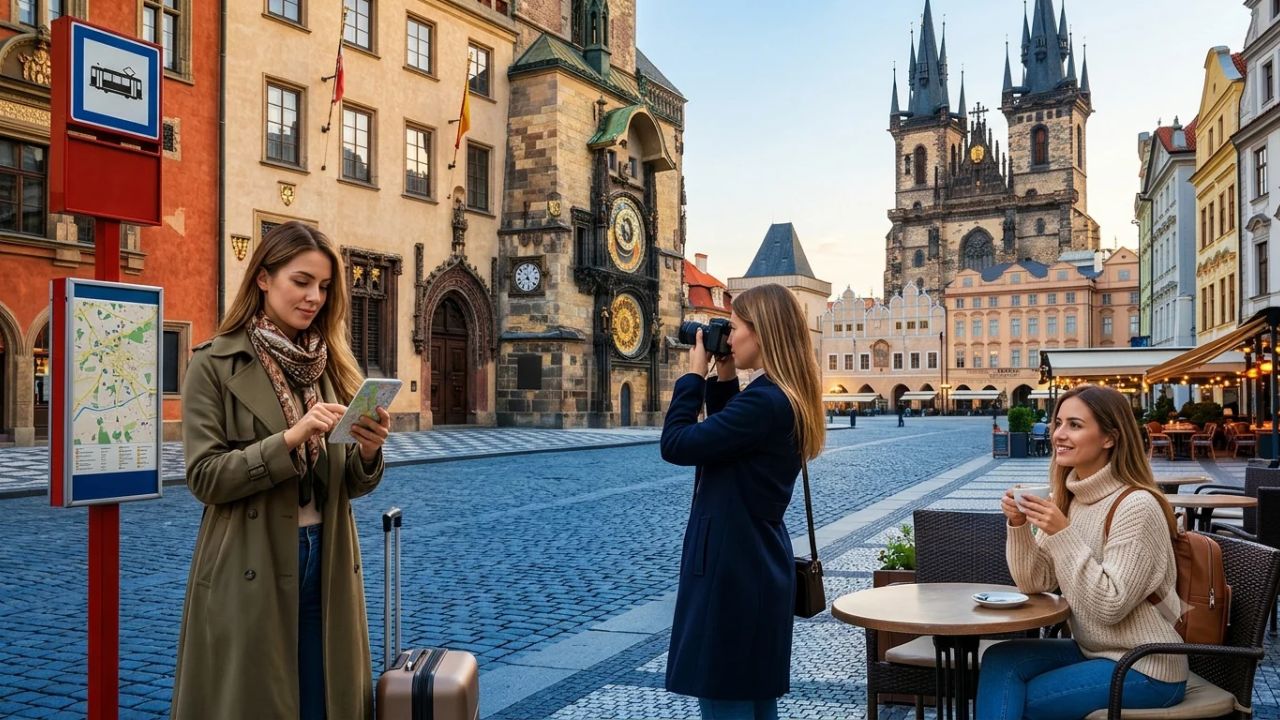
PRAGUE / LONDON — As independent international travel expands into a cornerstone of the global tourism economy, the 2026 European Solo Travel Index has identified Czechia’s historic capital of Prague as the continent’s leading destination for solo holidaymakers, while high daily expenses and single-occupancy lodging premiums pushed Swiss financial hub Zürich to the bottom of a comprehensive 48-city comparative benchmark.
Published on 20 October 2026 by international luggage storage network Radical Storage, the study evaluated 48 frequently visited European urban centers across 11 empirical indicators. The assessment analyzed mid-range daily living expenses, perceived safety scores, hostel dormitory pricing, hotel guest ratings, culinary variety, and cultural attraction density. The resulting index demonstrates that solo travelers are increasingly prioritizing destinations that combine walkable historic infrastructure and reliable personal safety with accessible daily living costs, enabling independent exploration without the financial burden of the traditional single supplement.
While Central and Eastern European destinations dominated the upper tiers through competitive living costs, established Mediterranean hubs in Portugal and Spain secured prominent positions by offering diverse cultural experiences and reliable public transit. Conversely, premier financial centers and Nordic capitals struggled in the comparative rankings, demonstrating how high lodging rates and elevated dining costs can discourage travelers who bear 100 percent of their holiday expenses without a traveling partner.
The Architecture of the 2026 Solo Travel Index
The European Solo Travel Index establishes a rigorous framework for evaluating how urban destinations cater to independent travelers. Unlike family vacationers or corporate tour groups who split the costs of rental vehicles, double hotel rooms, and dining platters, solo holidaymakers face unique structural economic realities. Fixed accommodation costs fall entirely on a single budget, while personal safety perceptions, evening walkability, and intuitive transit networks carry heightened weight in destination selection.
To capture these dynamics, the study synthesized data across 11 distinct performance indicators, awarding each city a standardized score out of ten:
- Mid-Range Daily Living Expenses: Combined daily expenditure encompassing three meals, public transit, and entry to cultural landmarks.
- Perceived Safety Index: Standardized public sentiment evaluations measuring personal security, evening transit confidence, and street safety (scored out of 100).
- Budget Hostel Lodging Rates: Average nightly rate for an individual dormitory bed across verified hostel networks.
- Hostel Guest Satisfaction: Aggregated consumer review scores reflecting cleanliness, social environment, and security locks.
- Culinary Ecosystem Diversity: Total availability of independent restaurants, cafes, and street-food venues catering to individual diners.
- Cultural Landmark Concentration: Density of accessible museums, historical monuments, architectural heritage sites, and guided walking routes.
- Public Transport Accessibility: Availability of direct airport rail links, integrated contactless ticketing, and nocturnal transit coverage.
The study established a stark financial divide across the European continent. Across the top ten highest-ranked cities, the average daily expenditure totaled €153 per day. In contrast, the bottom ten destinations recorded an average daily spend of €252 per traveler—a daily difference of €99 that compounds into an extra €693 over a standard seven-day itinerary.
       EUROPEAN SOLO TRAVEL INDEX: SPENDING GAP ARCHITECTURE

  [ Top 10 Cities Average: €153 / Day ]  ======================+
                                                               |  €99 Daily Delta
  [ Bottom 10 Cities Average: €252 / Day ] ====================+  (€693 / Week)

  Trip Length        Top 10 Aggregate        Bottom 10 Aggregate       Net Difference
  -----------------------------------------------------------------------------
  1 Day              €153.00                 €252.00                   €99.00
  3 Days (Weekend)   €459.00                 €756.00                   €297.00
  5 Days (Mid-week)  €765.00                 €1,260.00                 €495.00
  7 Days (Full week) €1,071.00               €1,764.00                 €693.00
The Top Ten Champions: Balancing Heritage, Security, and Value
The upper tier of the 2026 index reflects a diverse geographical distribution, proving that successful solo tourism is not confined to a single European region. Central Europe, Southern Europe, the Baltic coast, and the Bosphorus each earned representation within the premier cohort.
| Rank | Destination | Country | Index Score (out of 10) | Average Daily Cost | Perceived Safety Score | Primary Attraction |
|---|---|---|---|---|---|---|
| 01 | Prague | Czechia | 7.75 | €134.33 | 75.4 / 100 | Historic Old Town, Charles Bridge, Vltava quays |
| 02 | Kraków | Poland | 7.64 | €86.67 | 71.8 / 100 | Rynek Główny, Wawel Castle, Kazimierz |
| 03 | Istanbul | Türkiye | 7.49 | €98.50 | 62.4 / 100 | Sultanahmet, Hagia Sophia, Bosphorus ferries |
| 04 | Lisbon | Portugal | 7.38 | €142.10 | 72.1 / 100 | Alfama, historic Tram 28, Miradouros |
| 05 | Gdańsk | Poland | 7.03 | €74.53 | 74.2 / 100 | Royal Route, Long Market, Motława waterfront |
| 06 | Berlin | Germany | 6.92 | €178.40 | 64.9 / 100 | Museum Island, U-Bahn network, creative arts |
| 07 | Porto | Portugal | 6.88 | €128.60 | 73.5 / 100 | Douro riverfront, Ribeira, historic wine lodges |
| 08 | Seville | Spain | 6.85 | €169.00 | 69.8 / 100 | Real Alcázar, Seville Cathedral, Barrio Santa Cruz |
| 09 | Barcelona | Spain | 6.77 | €192.50 | 51.2 / 100 | Sagrada Família, Park Güell, Mediterranean beaches |
| 10 | Riga | Latvia | 6.74 | €134.33 | 68.7 / 100 | UNESCO Art Nouveau quarter, Old Town, Daugava |
Prague: The Continental Gold Standard
Czechia captured the premier global position through Prague, which achieved an overall composite rating of 7.75 out of ten. Prague’s victory stems from its consistency across all 11 evaluation categories rather than a solitary outlier metric.
The Czech capital maintains a moderate daily expenditure profile, with mid-range solo spending estimated at €134.33 per day, covering lodging, traditional meals, public transit, and museum admissions. Simultaneously, Prague secured the eighth-highest safety rating in Europe, recording an impressive perceived safety score of 75.4 out of 100. This combination provides solo female and first-time independent travelers with reassurance when exploring the city at night.
Prague’s urban fabric is tailored for pedestrian discovery. The compact historic core—encompassing the Old Town Square (Staroměstské náměstí), the medieval Astronomical Clock (Orloj), the pedestrianized Charles Bridge, and the historic Malá Strana district ascending toward Prague Castle—allows travelers to conduct self-guided walking tours without incurring high transport expenses.
In addition, Prague’s integrated public transit network (Pražská integrovaná doprava - PID) connects Prague Václav Havel Airport (PRG) directly to the historic center via efficient trolleybus and metro connections, while the city’s hostels earned an average customer satisfaction score of 8.7 out of ten, reflecting clean facilities and social communal spaces.
                    PRAGUE: 2026 SOLO TRAVEL INDEX PROFILE

  [ Overall European Rank: #1 ] --------------------> Composite Score: 7.75 / 10

  * Daily Living Cost:        €134.33 (Mid-range lodging, meals & admissions)
  * Perceived Safety:         75.4 / 100 (8th safest in European survey)
  * Average Hostel Rating:    8.7 / 10 (Cleanliness, locks & social lounges)
  * Urban Transit Network:    Metro, trams & airport links with contactless pay
  * Cultural Sightseeing:     Old Town Square, Charles Bridge & Prague Castle
Poland’s Double Triumph: Kraków and Gdańsk
Poland emerged as the standout national performer in the 2026 index, securing two positions within the top five. Kraków claimed second place overall with a score of 7.64, while the Baltic port of Gdańsk achieved fifth place with a score of 7.03.
Kraków’s competitive advantage centers on exceptional affordability coupled with architectural heritage. Estimated daily expenditure in Kraków stands at just €86.67 per traveler. As Poland’s former royal capital, Kraków escaped wartime destruction, preserving its magnificent central Rynek Główny—Europe’s largest medieval town square—surrounded by the Cloth Hall (Sukiennice), St. Mary’s Basilica, and the historic Wawel Royal Castle overlooking the Vistula River.
The adjacent historic Jewish quarter of Kazimierz has evolved into an accessible hub of independent cafes, bookshops, and traditional milk bars (bary mleczne), where solo travelers can enjoy authentic Polish cuisine for under €8 per meal.
Gdańsk distinguished itself as the most budget-friendly city in the entire 48-destination assessment, recording an average daily cost of only €74.53. Positioned along Poland’s northern Baltic coast, Gdańsk offers solo explorers a coastal alternative to traditional landlocked city breaks.
The city’s reconstructed Royal Route (Droga Królewska), the ornate Long Market (Długi Targ), the historic medieval port crane (Żuraw), and the European Solidarity Centre provide rich cultural exploration. Gdańsk's fast urban rail network (SKM) provides convenient connections to the seaside spa resort of Sopot and the historic fortress of Malbork, allowing solo travelers to construct diverse regional itineraries at minimal expense.
Istanbul: Transcontinental Scale and Hostel Affordability
Securing third place overall with a score of 7.49, Istanbul established itself as Europe’s premier budget accommodation center. The Turkish metropolis recorded the lowest average hostel dormitory price in the entire study, with a verified average of approximately €16 per night for a central bed.
This lodging affordability allows independent travelers to extend their stays and allocate resources toward the city’s cultural and culinary offerings. The study identified over 10,000 active restaurants across Istanbul, catering to every price point from historic street vendors selling simit and roasted chestnuts to traditional lokantas serving home-style stews.
Istanbul’s unique geography spanning Europe and Asia across the Bosphorus Strait adds an engaging dimension to independent travel. The historic Sultanahmet peninsula gathers premier global monuments—including the Hagia Sophia Grand Mosque, the Blue Mosque, Topkapı Palace, and the subterranean Basilica Cistern—within comfortable walking distance.
Additionally, Istanbul’s public ferry network provides solo travelers with scenic maritime journeys connecting Eminönü and Karaköy on the European shore with Kadıköy and Üsküdar on the Asian shore for less than €1.50 per crossing.
         ISTANBUL: BUDGET ADVANTAGE & CULTURAL DENSITY (RANK #3)

  Metric                      Finding             Significance
  -----------------------------------------------------------------------------
  Hostel Dormitory Bed Rate   ~€16.00 / night     Lowest recorded in 48-city study
  Restaurant Ecosystem        10,000+ venues      Exceptional solo dining variety
  Public Transport Economy    Bosphorus Ferries   Intercontinental transit under €1.50
  Monument Concentration      Sultanahmet Hub     Hagia Sophia, Topkapı, Blue Mosque
Portugal: Dual Metropolitan Excellence in Lisbon and Porto
Portugal demonstrated its sustained appeal for independent travelers by placing Lisbon fourth (score: 7.38) and Porto seventh (score: 6.88). The two Portuguese cities provide contrasting urban experiences unified by strong hospitality standards and accessible walking environments.
Lisbon’s fourth-place standing is supported by its historic hill neighborhoods, including Alfama, Mouraria, and Bairro Alto. The city’s famous network of scenic viewpoints (miradouros)—such as Miradouro de Santa Luzia and Miradouro da Senhora do Monte—serves as communal gathering points where solo travelers mingle while overlooking the Tagus River.
The historic Tram 28 and the modern Metro network provide reliable transport, while coastal commuter trains link central Cais do Sodré station directly to the beaches of Cascais and the fairytale palaces of Sintra.
In northern Portugal, Porto secured seventh position through its Douro riverfront, its UNESCO-listed Ribeira district, and the historic port wine lodges lining Vila Nova de Gaia. With an average daily cost of €128.60, Porto is slightly more affordable than Lisbon, offering a walkable urban core featuring architectural landmarks such as the Clérigos Tower, the ornate Livraria Lello, and the tile-adorned São Bento railway station.
Berlin, Seville, Barcelona, and Riga: Rounding Out the Leaders
The remainder of the top ten illustrates the varied pathways destinations take to achieve solo travel excellence:
- Berlin, Germany (Rank #6, Score: 6.92): Berlin stands as Germany’s sole representative in the upper tier. While its daily cost of €178.40 is higher than Central European peers, Berlin compensates with an integrated public transport grid (BVG U-Bahn, S-Bahn, trams, and regional rail) that operates continuously through weekend nights. Berlin's open social environment, welcoming dining culture, and historic landmarks—including the Brandenburg Gate, the Reichstag, and Museum Island—make it comfortable for independent exploration.
- Seville, Spain (Rank #8, Score: 6.85): Seville achieved the highest ranking among Spanish destinations, with an estimated daily expenditure of €169.00. The Andalusian capital’s compact historic center, anchored by the Real Alcázar, the Seville Cathedral, the Giralda bell tower, and the historic Barrio de Santa Cruz, allows solo travelers to navigate on foot. Tapas culture is naturally suited to solo diners, enabling visitors to sample regional delicacies at traditional tavern bars without ordering large group portions.
- Barcelona, Spain (Rank #9, Score: 6.77): Barcelona secured ninth place, driven by its unique combination of Antoni Gaudí’s modernist architecture (Sagrada Família, Park Güell, Casa Batlló), expansive Mediterranean beaches, and world-class museums. While Barcelona’s perceived safety score of 51.2 out of 100 was impacted by concerns regarding petty pickpocketing in crowded tourist corridors, its diverse hostel network and cultural assets preserved its top-ten standing.
- Riga, Latvia (Rank #10, Score: 6.74): Latvia gained recognition through Riga, which matched Prague with an accessible mid-range daily spend of €134.33. The Latvian capital features Europe's finest collection of Art Nouveau architecture along Alberta Iela, alongside a compact medieval Old Town (Vecrīga) centered around St. Peter’s Church and the House of the Black Heads. Riga provides an intimate Baltic urban escape with uncrowded streets, dependable bus connections, and affordable local dining.
       TOP 10 EUROPEAN SOLO DESTINATIONS: COMPOSITE SCORES (OUT OF 10)

  1. Prague, Czechia:     [ 7.75 ] ===================================
  2. Kraków, Poland:      [ 7.64 ] ==================================
  3. Istanbul, Türkiye:   [ 7.49 ] ================================
  4. Lisbon, Portugal:    [ 7.38 ] ===============================
  5. Gdańsk, Poland:      [ 7.03 ] ============================
  6. Berlin, Germany:     [ 6.92 ] ==========================
  7. Porto, Portugal:     [ 6.88 ] =========================
  8. Seville, Spain:      [ 6.85 ] =========================
  9. Barcelona, Spain:    [ 6.77 ] ========================
 10. Riga, Latvia:        [ 6.74 ] ========================
The Bottom Ten Analysis: Premium Pricing, Lodging Surges, and Safety Perceptions
The lower tier of the 2026 Solo Travel Index highlights how specific structural cost pressures and subjective safety indicators can undermine a city's appeal to independent holidaymakers. These destinations are not lacking in historic charm or cultural significance; rather, their operational profile presents distinct hurdles for solo travelers managing a solitary budget.
| Bottom Rank | Destination | Country | Index Score | Average Daily Cost | Core Operational Challenge |
|---|---|---|---|---|---|
| 48 (Last) | Zürich | Switzerland | 4.42 | €344.93 | Elevated accommodation (€168/day) & dining costs |
| 47 | Reykjavík | Iceland | 4.50 | €309.40 | Remote transit expenses & high consumer prices |
| 46 | Venice | Italy | 4.62 | €362.27 | Highest daily cost; premium dining & access logistics |
| 45 | Aarhus | Denmark | 4.76 | €240.07 | High lodging rates & limited budget hostel inventory |
| 44 | Cologne | Germany | 4.77 | €218.50 | Trade-fair accommodation surges & uneven nightlife |
| 43 | Geneva | Switzerland | 4.83 | €271.27 | Swiss franc strength & business-rate lodging |
| 42 | Frankfurt | Germany | 4.90 | €224.10 | Commercial banking focus & higher hotel pricing |
| 41 | Nice | France | 5.06 | €228.40 | Lower perceived safety score (44.9/100) & resort pricing |
| 40 | Marseille | France | 5.11 | €194.20 | Depressed perceived safety score (33.0/100) |
| 39 | Dublin | Ireland | 5.16 | €248.80 | Acute hotel capacity constraints & safety perceptions |
Switzerland’s Dual Challenge: Zürich and Geneva
Switzerland's presence in the bottom ten illustrates the tension between personal security and financial accessibility. Zürich recorded the lowest composite score in the entire 48-city index, finishing in 48th place with a score of 4.42 out of ten.
The primary factor driving Zürich to the bottom is its steep cost structure. The study estimated total daily expenditure in Zürich at €344.93 per traveler. Accommodation alone averaged €168.13 per night for a standard single room, absorbing more than the entire daily budget required in Prague, Lisbon, or Kraków. While Zürich possesses an immaculate public transport network, picturesque Lake Zürich panoramas, and high safety metrics, the sheer expense of everyday dining—where a basic lunch easily exceeds €30—makes spontaneous independent city breaks prohibitive for general budget travelers.
Geneva experienced similar headwinds, finishing in 43rd place with a score of 4.83. With average daily expenditures reaching €271.27, Geneva’s accommodation inventory is heavily oriented toward diplomatic delegations and international finance executives, leaving solo leisure travelers with limited budget-friendly hostel options.
                  ZÜRICH VS. PRAGUE: DAILY COST BREAKDOWN

  Expense Category             Prague (Rank #1)        Zürich (Rank #48)
  -----------------------------------------------------------------------------
  Accommodation (Per Night)    €62.50                  €168.13 (+169%)
  Daily Meals & Dining         €38.20                  €108.50 (+184%)
  Local Transit & Transfers    €12.40                  €34.20 (+175%)
  Museums & Attractions        €21.23                  €34.10 (+60%)
  -----------------------------------------------------------------------------
  Total Daily Expenditure      €134.33                 €344.93 (+156%)
Venice: The High-Cost Island Squeeze
Venice ranked 46th overall with an index score of 4.62, emerging as the single most expensive destination evaluated in the entire study. The historic canal city registered an average daily expenditure of €362.27 per person.
In Venice, food and entertainment expenses proved exceptionally steep for individual visitors. Daily meal costs averaged €112.67, while entertainment and admission fees averaged €101.40. Unlike road-connected mainland cities where travelers can walk between budget dining spots, Venice’s historic lagoon topography concentrates commercial dining along congested pedestrian pathways, where sit-down cover charges (coperto) and premium beverage pricing rapidly deplete solo travel budgets.
Beyond expenses, Venice’s logistical complexities penalize the independent traveler. Navigating stone bridges and stepped canal crossings with luggage without splitting water taxi fares requires stamina, while the municipality’s experimental day-tripper access fee (Contributo di Accesso)—which completed its 2026 pilot phase on 26 July 2026—added administrative considerations for visitors planning independent arrivals.
The Nordic Expense Barrier: Reykjavík and Aarhus
Nordic destinations faced similar affordability hurdles, with Iceland’s capital Reykjavík ranking 47th (score: 4.50) and Denmark’s second city Aarhus placing 45th (score: 4.76).
Reykjavík recorded an average daily expenditure of €309.40. While Iceland is renowned as one of the world's safest countries, the economics of independent exploration are challenging. Public transport options between Keflavík International Airport (KEF) and the capital are costly, while day excursions to volcanic landscapes, waterfalls, and geothermal lagoons require commercial tour packaging that cannot be shared with a companion.
In Aarhus, daily costs averaged €240.07. Although Aarhus offers cultural attractions—including the ARoS Aarhus Art Museum and the Old Town open-air museum (Den Gamle By)—its limited supply of low-cost hostel beds and high Scandinavian hospitality taxes constrain its appeal for solo travelers seeking affordable weekend breaks.
Perception Penalties: Marseille, Nice, and Dublin
In Western Europe, France and Ireland completed the bottom ten through destinations whose rankings were significantly influenced by the study's perceived safety metric:
- Marseille, France (Rank #40, Score: 5.11): Marseille recorded the lowest perceived safety rating in the survey, registering 33.0 out of 100. Despite its scenic Old Port (Vieux-Port), historic Le Panier neighborhood, and proximity to the Calanques National Park, perception data regarding street safety and evening transit impacted its composite score.
- Nice, France (Rank #41, Score: 5.06): While Nice boasts the Promenade des Anglais and Riviera rail connectivity, its perceived safety score of 44.9 out of 100, combined with high Côte d’Azur hotel pricing averaging €228.40 per day, pulled the Mediterranean resort into the lower tier.
- Dublin, Ireland (Rank #39, Score: 5.16): Ireland’s capital suffered from a combination of a 45.9 perceived safety score and acute accommodation supply shortages. Dublin hotel room rates frequently surpass European averages due to sustained corporate demand, resulting in an average daily spend of €248.80 that challenges independent travelers.
It is important to emphasize that perceived safety scores reflect subjective public surveys rather than official police crime statistics. Nevertheless, in the solo travel market, perception plays a decisive role in booking behavior, particularly among solo female travelers evaluating evening safety.
       SUBJECTIVE SAFETY PERCEPTION DISPARITY (SCORE OUT OF 100)

  Prague, Czechia:       [ 75.4 ] ===================================
  Gdańsk, Poland:        [ 74.2 ] ==================================
  Porto, Portugal:       [ 73.5 ] =================================
  Lisbon, Portugal:      [ 72.1 ] ================================
  Kraków, Poland:        [ 71.8 ] ================================
  -----------------------------------------------------------------
  Barcelona, Spain:      [ 51.2 ] =======================
  Dublin, Ireland:       [ 45.9 ] =====================
  Nice, France:          [ 44.9 ] ====================
  Marseille, France:     [ 33.0 ] ===============
The Single Supplement Penalty: The Economics of Independent Travel
The data uncovered by the 2026 Solo Travel Index highlights a fundamental economic reality: the solo traveler is disproportionately burdened by fixed accommodation costs.
When two individuals travel together, the nightly room rate of a hotel or private apartment is halved, while shared taxi fares and rental vehicles divide transport costs. For the solo traveler, every euro of accommodation expense is borne entirely by one person.
In destinations like Zürich (€168.13/day for lodging) or Venice, this single-occupancy penalty turns a short weekend break into a substantial expenditure. Conversely, in destinations like Istanbul (€16/night hostel beds), Gdańsk (€74.53 total daily cost), or Kraków (€86.67 total daily cost), the availability of high-quality, budget-friendly accommodation neutralizes the single penalty, enabling independent travelers to explore historical centers comfortably.
Over an extended journey, this cost gap becomes profound. As illustrated by the study’s comparative expenditure models, a solo holidaymaker spending one week in the top ten cohort spends approximately €1,071, whereas that same week in the bottom ten cohort requires an average outlay of €1,764. The €693 savings achieved in Central and Southern Europe can fund multiple future city breaks or cover international airfare.
Currency Mechanics and Purchasing Power Parity
An often-overlooked factor underpinning the top performers in the 2026 Solo Travel Index is the influence of sovereign currency dynamics and regional purchasing power parity. Three of the top five destinations—Prague (Czech koruna), Kraków and Gdańsk (Polish złoty), and Istanbul (Turkish lira)—operate outside the Eurozone currency bloc, providing international visitors with advantageous exchange rates that moderate everyday consumer spending.
In Prague, despite Czechia's membership in the European Union, the continued use of the Czech koruna allows local restaurateurs, traditional taverns (hospody), and municipal transport authorities to price services in alignment with local wage structures rather than standardized Western European price points. A hearty lunch consisting of traditional goulash with dumplings and a half-liter of world-renowned Bohemian pilsner rarely exceeds 220 to 280 koruna (approximately €9 to €11), whereas an equivalent casual meal in Zürich or Geneva often starts at 35 to 45 Swiss francs (€37 to €48).
Similarly, Poland’s retention of the złoty preserves exceptional everyday purchasing power for international travelers in Kraków and Gdańsk. Solo explorers benefit from competitive grocery prices, low museum admission thresholds, and nominal urban transit tariffs. In Gdańsk, a 24-hour metropolitan transit ticket valid across buses, trams, and urban commuter trains costs roughly 24 złoty (under €6), providing unrestricted mobility along the entire coastal bay from the historic shipyard to the beaches of Brzeźno.
In contrast, destinations tethered to the Swiss franc or high-cost Nordic currencies face structural inflation that impacts foreign travelers immediately upon arrival. The sustained strength of the Swiss franc against both the euro and the British pound elevates basic transactions—such as a single espresso or a short tram hop—into premium expenditures. For the solo traveler operating without corporate expense accounts, these micro-transactions accumulate rapidly, transforming what was intended as a casual urban holiday into an economically restrictive exercise.
Luggage Logistics and the Micro-Economy of Independent Transit
Another operational reality defining independent European travel is luggage mobility. Solo travelers cannot leave bags with a companion while searching for an apartment address or grabbing lunch in a crowded bistro. Consequently, the availability of secure, decentralized left-luggage infrastructure has emerged as an essential determinant of traveler satisfaction.
In destinations like Prague, Barcelona, and Lisbon, the rapid proliferation of app-based luggage networks—which partner with local cafes, convenience stores, and boutique hotels to offer secure storage for €5 to €7 per day—has liberated solo travelers from the necessity of booking expensive late-checkout hotel extensions. A visitor arriving on an early morning flight or departing on a midnight budget service can drop their backpack near a major transit station, spend the day exploring historic alleys unencumbered, and retrieve their belongings immediately before boarding airport express trains.
This decentralized storage ecosystem has democratized independent city breaks, enabling travelers to take full advantage of ultra-low-cost airline flight windows without sacrificing comfort or security. Destinations that facilitate intuitive luggage management through safe storage points and seamless transit connections consistently earn higher traveler sentiment ratings, reinforcing their competitive position in the global solo leisure market.
Strategic Recommendations for Airlines, Hospitality, and Municipal Tourism
The findings of the 2026 European Solo Travel Index offer valuable insights for tourism enterprises and municipal planners seeking to capture the expanding solo travel demographic:
Commercial Airlines and Ground Transport Operators
Airlines should recognize that solo travelers evaluate total journey economics rather than airfare alone. While a low-cost carrier may offer a €29 promotional fare from London to Zürich or Venice, travelers quickly discover that ground transport and local hotel rates undermine the overall trip budget.
Airlines can stimulate solo booking volume by bundling flights with transparent ground transit passes and partner hotel discounts in secondary hubs like Gdańsk, Riga, and Kraków. Equally important, airports and regional rail authorities must ensure that airport transit directions are clear, automated, and equipped with single-fare contactless payment, reducing arrival friction for solo travelers arriving late at night.
Hospitality Providers: The Evolution Toward Modern Hostels
The success of Prague, Kraków, and Istanbul demonstrates the demand for modern, hybrid accommodation. Traditional, utilitarian youth hostels are increasingly giving way to design-led boutique hostels that offer:
- Private capsule-style dormitory pods equipped with personal reading lights, charging ports, and sound-dampening privacy curtains.
- Secure electronic keycard lockers and dedicated female-only dormitory floors.
- Integrated communal coworking lounges and social cafes that facilitate natural interaction among independent remote workers.
- Transparent single-occupancy hotel room rates that eliminate punitive pricing.
Municipal Tourism Authorities and Urban Safety
For municipal tourism boards, optimizing for solo travelers requires intentional urban planning. Cities that invest in well-lit pedestrian corridors, comprehensive nighttime transit service, and visible tourist assistance wardens directly enhance their perceived safety scores.
In tandem, destination marketing organizations should highlight solo-friendly experiences, such as communal culinary tours, museum admission passes, and neighborhood walking trails, helping independent visitors discover local culture safely and affordably.
By addressing the specific needs of solo travelers—transparent costs, physical security, and welcoming social spaces—European destinations can tap into a loyal, resilient traveler demographic that supports local economies throughout the year.
Related Travel Guides
- Paris, Madrid, and London Lead European City Breaks as Early 2027 Bookings Reveal Shifting Urban Travel
- Spain Sustainable Tourism Accord: Seville, Benidorm, Calvià, and Lloret de Mar Partner with British Travel Industry
- Netherlands Integrates Real-Time Station Lift Disruption Updates Across National Rail Network
- Four Seasons Joins WTTC Executive Committee as 50 Corporate Leaders Expand Global Tourism Economy
This article is for informational purposes. Flight routes, passenger regulations, visa rules, and transit advisories are subject to change by airlines and aviation authorities. Readers are advised to verify schedules and travel documentation with relevant carriers and border agencies before departure.
Related Stories

Japan November 2026 Travel Alert: Tokyo and Kyoto Autumn Schedules and Pricing Updates
Delta's Austin–Arkansas Flights Reshape Regional Tourism Economics: Day Trips, Late Arrivals, and Visitor Spending 2027