
European Union Warns of Persistent Water Scarcity in Europe as Climate Pressures and High Tourism Demand Threaten Freshwater Security: New Travel Alert
Europe faces a persistent freshwater crisis as summer tourism demands and seasonal droughts impact river basins across 13 European nations.

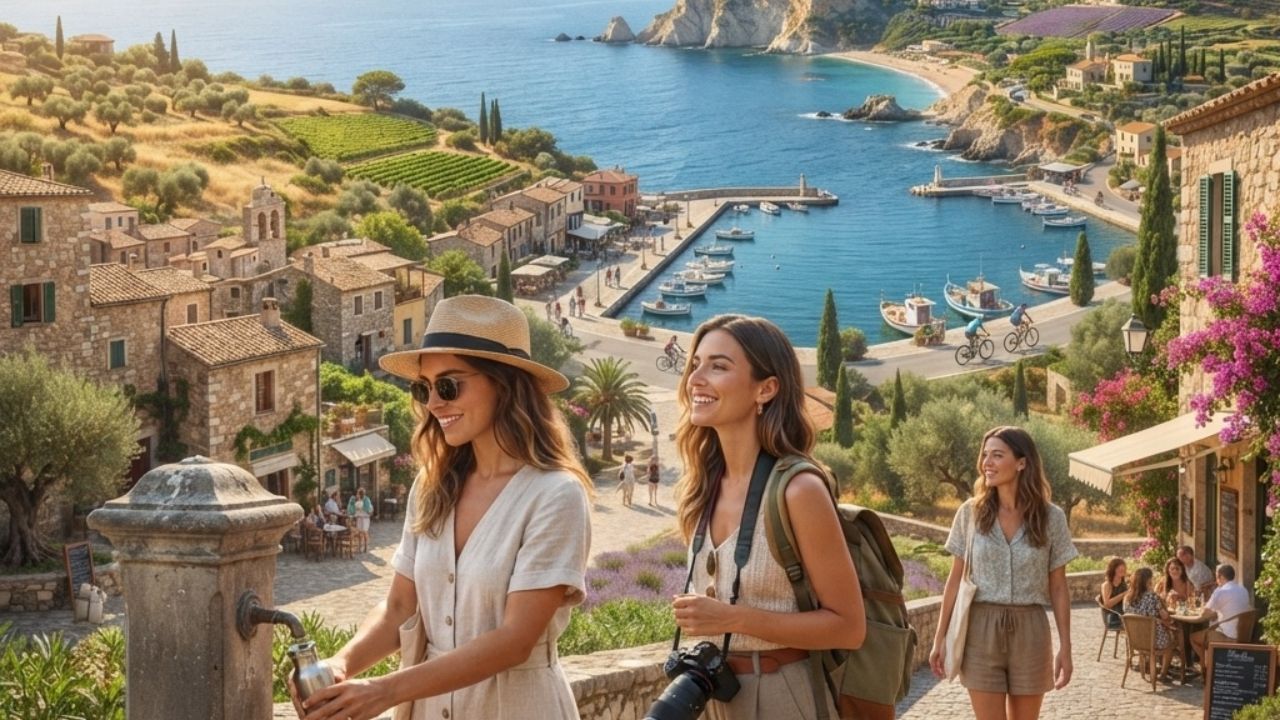
Image generated by AI
Published on July 23, 2026
The European Union has released a comprehensive environmental assessment warning of ongoing seasonal droughts that threaten local freshwater resources. The report reveals that more than one-quarter of the EU territory suffered from water shortages during at least one season, highlighting the severe challenges facing regional economic stability and tourism. As travel demand peaks during the dry summer months, authorities are assessing the impact of water scarcity in Europe and advising travelers to adopt strict water conservation habits during their visits.
Quick Summary
- Widespread Resource Stress: Environmental data shows that seasonal water shortages affected approximately 28% of EU territory and 32% of the population in 2023.
- Southern Europe Vulnerability: Mediterranean destinations, including Cyprus, Malta, Greece, Spain, Italy, and Portugal, face the highest seasonal freshwater pressure.
- Tourism Impact: Peak summer travel periods directly coincide with the lowest natural water availability, as hotels, pools, and recreation increase local demand.
- Expanding Geographic Reach: Seasonal water shortages are no longer limited to the south, now impacting river basins in northern nations like Germany, Denmark, and the Netherlands.
Context and Background: Addressing Water Scarcity in Europe
The persistent freshwater crisis across the continent reflects the growing challenges of climate variability and increasing public demand. Even with improvements in regional management and a 14% reduction in total water abstraction since 2000, the geographical extent of seasonal droughts remains unchanged. Coordinated by the European Environment Agency (EEA), the latest research emphasizes that relying solely on abstraction cuts is insufficient to counter the effects of longer dry seasons and rising temperatures.
To manage long-term water resources, the European Commission - Water Framework Directive urges Member States to implement sustainable river basin management plans. Because peak vacation seasons draw millions of international visitors to areas already sharing limited supplies with agriculture and public utilities, the United Nations World Tourism Organization (UNWTO) is encouraging tourism businesses to invest in water-saving technologies. These joint efforts are critical to managing water scarcity in Europe while protecting the natural and cultural sites that drive the region's economy.
Event and Incident Details: Core Data on Europe's Freshwater Security
Environmental specialists utilize the Water Exploitation Index Plus (WEI+) to monitor seasonal water stress across European river basins. The index calculates the percentage of freshwater consumed against the total renewable freshwater available. This local analysis is essential because national annual averages often mask severe seasonal shortages that affect community supply, agricultural fields, and travel destinations during dry periods.
To help travelers understand the scale of the water crisis, the table below highlights the seasonal water scarcity metrics within the EU:
| Scarcity Indicator | 2023 Environmental Status |
|---|---|
| EU Territory Impacted | 28% of total land area experienced seasonal water shortages |
| EU Population Impacted | 32% of residents faced seasonal water stress |
| Long-Term Territory Average | Around 30% of land area remains regularly affected |
| Long-Term Population Average | Around 33% of residents experience recurring scarcity |
| Water Abstraction Decrease | 14% total reduction in water withdrawals since 2000 |
Additionally, the Water Exploitation Index Plus (WEI+) levels provide clear thresholds for water stress:
- WEI+ Below 20%: Sustainable freshwater management and low resource pressure.
- WEI+ Above 20%: Water resources are under stress, requiring conservation measures.
- WEI+ Above 40%: Severe water stress, indicating potentially unsustainable water use.
Cyprus and Malta recorded the highest seasonal water pressure, with exploitation levels exceeding the severe 40% WEI+ threshold. Significant spring and summer shortages were also noted in Greece, Portugal, Spain, Italy, and Romania, where agricultural irrigation and tourism services compete for limited resources. While Malta faces year-round scarcity due to its dry climate, other destinations experience seasonal drops driven by rising temperatures.
Risk and Impact: Competition for Freshwater During Peak Summer Months
The intersection of peak tourism and low natural water levels creates several direct risks for local communities and ecosystems:
- Resource Competition: High water usage by hotels, landscaped grounds, swimming pools, and golf courses competes directly with local farming and domestic needs.
- Ecological Degradation: Excessive water extraction reduces river flows, drains wetlands, and threatens native aquatic biodiversity.
- Local Restrictions and Tariffs: Municipalities facing severe shortages may implement hosepipe bans, swimming pool restrictions, and higher water utility prices.
- Unpredictable Quality: Low river and groundwater levels during dry spells can affect municipal water pressure and quality in remote destinations.
With climate projections indicating longer dry seasons, higher summer temperatures, and more frequent droughts, environmental authorities warn that reducing water scarcity before 2030 remains highly unlikely without significant adaptation.
What Authorities Are Saying: Implementing Coordinated Conservation Policies
European environmental directors and municipal leaders state that sustainable water management must become a core component of regional planning. They emphasize that temporary rainfall increases do not change the long-term trend of growing water insecurity. Authorities highlight that both residents and travel businesses must reduce consumption to protect local river basins.
Environmental boards advise hotels and resorts to adopt greywater recycling systems and install low-flow bathroom fixtures. They stress that educating visitors about local water limits is essential to reducing overall consumption. By enforcing strict conservation policies, the EU aims to improve climate resilience while protecting visitor experiences.
Practical Traveler Advice: Minimizing Water Scarcity in Europe During Vacations
For travelers planning a summer holiday in Europe, travel coordinators recommend the following water-saving practices:
- Shorten Shower Times: Keep daily showers under five minutes to significantly reduce water usage in hotels and guest houses.
- Opt for Linen Reuse: Decline daily towel and sheet changes to help accommodations save energy and hundreds of gallons of water.
- Obey Local Water Rules: Follow municipal guidelines, including restrictions on pool usage, vehicle washing, and garden watering.
- Choose Certified Accommodations: Book hotels and resorts that have certified eco-labels and invest in water recycling technology.
- Report Leaks Immediately: Inform hotel staff of dripping faucets or running toilets to prevent unnecessary water loss.
Broader Context: Climate Variability Reshaping Northern and Western Basins
While Mediterranean countries remain the most affected, seasonal water scarcity now impacts river basins across much of the continent. River basins in 13 countries—including Belgium, Bulgaria, Cyprus, Denmark, France, Germany, Greece, Italy, Malta, the Netherlands, Portugal, Romania, and Spain—regularly experience seasonal shortages.
Urbanization, electricity generation, and industrial manufacturing contribute to freshwater pressure even in northern nations traditionally considered water-secure. Prolonged dry spells in these regions illustrate how climate variability is reshaping the European water landscape, making conservation a continent-wide priority.
Looking Ahead: Strengthening Climate Adaptation and Infrastructure Investments
Over the next decade, EU Member States plan to invest in modernizing water distribution networks to reduce leaks and improve supply efficiency. Ongoing projects focus on expanding desalination facilities in coastal areas, upgrading wastewater treatment plants, and restoring freshwater wetlands. These initiatives are designed to improve supply resilience without increasing the ecological impact on local rivers.
Tourism organizations will also continue to promote water-conscious travel programs. By encouraging businesses to achieve eco-certifications and helping travelers find sustainable destinations, the travel sector aims to protect Europe's natural assets while maintaining its position as a leading global travel destination.
Conclusion: Emphasizing Preparedness and Vigilance
In conclusion, the persistent water scarcity crisis in Europe requires a coordinated response from destination managers, local businesses, and visitors. Enjoying Europe's historic cities and beautiful coastlines during the peak summer months requires careful preparation and respect for local natural resources. By staying informed about water restrictions, adopting conservation habits, and choosing sustainable services, travelers can help protect these renowned destinations.
FAQ: Navigating Seasonal Water Scarcity in Europe
What causes water scarcity in Europe?
Water scarcity is driven by climate change, seasonal droughts, rising summer temperatures, agricultural irrigation, and high public and tourism demand during dry months.
Which European countries face the most severe water stress?
Cyprus and Malta experience the most severe seasonal water shortages, while Greece, Portugal, Spain, Italy, and Romania also face significant pressure.
Is water scarcity limited to southern Europe?
No. River basins in northern and western nations, including Germany, Belgium, Denmark, France, and the Netherlands, also experience seasonal water stress.
How does the travel industry contribute to the water crisis?
Tourism significantly increases local water demand during the summer through hotel accommodations, swimming pools, restaurants, and recreational facilities.
What can travelers do to help save water?
Travelers can take shorter showers, reuse hotel towels, follow local water use restrictions, and choose eco-friendly accommodations.
Related Travel Guides
- Philippines, Indonesia, Mozambique, and Madagascar Redefine Affordable Beach Escapes, Offering Sustainable Ocean Adventures Away from Overcrowded Coastal Hotspots: New Travel Alert
- Greece Promotes Authentic Greek Island Experiences at Lefkada's Gyra Beach, Unveiling a Serene Sunset Escape with Scenic Lagoon Views: New Travel Alert
- California Unveils Authentic Wine Country Travel in California at Sonoma Plaza, Combining Historic Landmarks, Boutique Tasting Rooms, and Local Markets: New Travel Alert
Disclaimer
This article is for informational and educational purposes only. It does not constitute legal, financial, or professional advice. While we strive to provide accurate and up-to-date information, travel policies, regulations, and conditions change rapidly. Always verify information with official sources before making travel decisions. Nomad Lawyer makes no representations about the accuracy, reliability, completeness, or suitability of the information provided. Readers should consult qualified professionals for advice specific to their circumstances. The views expressed in this article are those of the author and do not necessarily reflect the views of Nomad Lawyer.
Kunal K Choudhary
Co-Founder & Contributor
A passionate traveller and tech enthusiast. Kunal contributes to the vision and growth of Nomad Lawyer, bringing fresh perspectives and driving the community forward.
Learn more about our team →