
Europe River Cruises Luxury Travel Trends
European river cruise travel undergoes a luxury transformation in 2027, prioritizing slow-travel land extensions and eco-friendly custom fleet expansions.

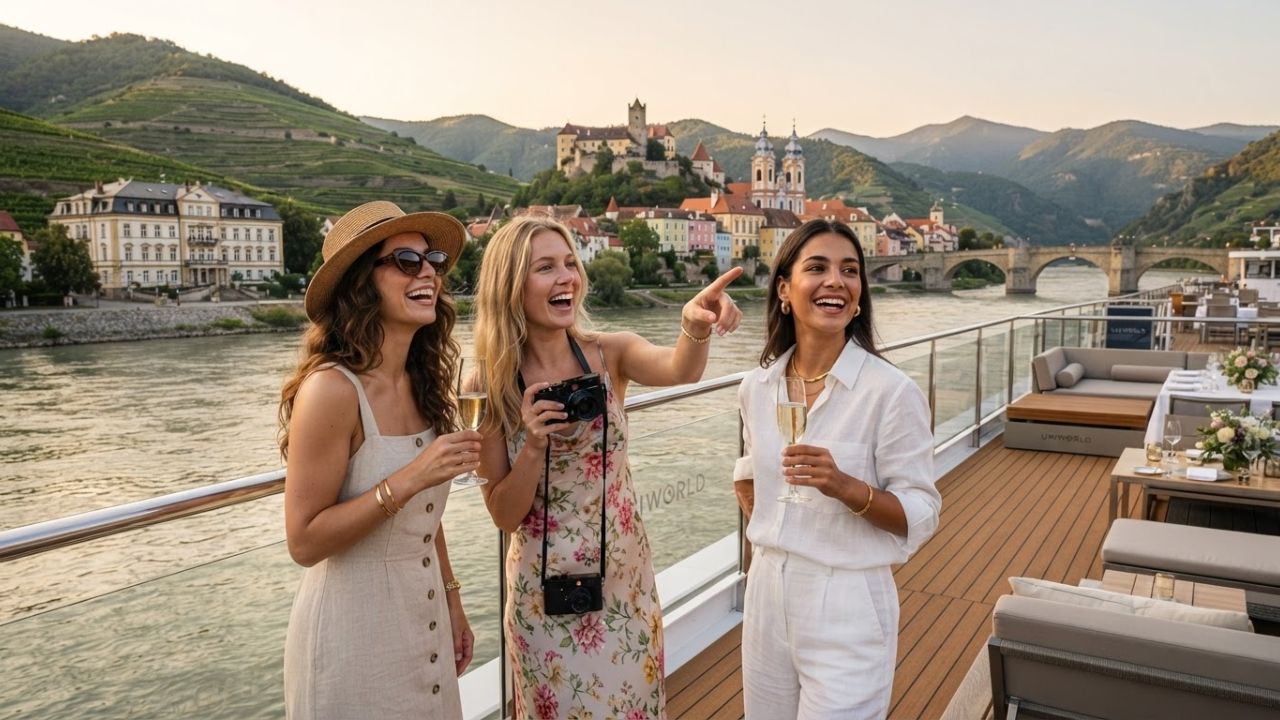
Image generated by AI
How European River Cruising is Shifting Toward Extended Slow-Travel Land Packages and Custom Fleet Expansions in 2027
European luxury river cruising is undergoing a destination-centric transformation, replacing quick port visits with extended pre- and post-cruise land packages. This slow-travel trend allows travelers to connect deeply with regional heritage, culinary traditions, and secondary waterways.
The Local Trend Revealed
Across Europe's main waterways, luxury river cruise operators are redesigning their itineraries to meet the growing demand for immersive, extended travel. By bundling complimentary pre- and post-cruise hotel packages in historic cities, carriers are transforming classic seven-night cruises into comprehensive regional journeys.
This trend is particularly evident along the Douro River Valley in Portugal, where travelers spend additional time exploring heritage vineyard estates, and along the Danube, where land extensions connect major capitals with lesser-known riverside villages. The shift is supported by substantial fleet investments, including custom-designed ships like the upcoming Audrey and Marlene, built specifically to navigate regional channels with smaller passenger footprints.
Cultural & Environmental Value (Information Gain)
According to guidelines from the European Environment Agency's sustainable transport registry, modern river fleets are incorporating hybrid propulsion systems and shore-power connections to minimize carbon emissions in historic city centers.
The integration of land stays also provides a significant economic boost to local businesses outside primary cruise terminals. By dining at family-owned taverns and hiring regional guides in spots like the Douro Valley or the Jewels of Veneto corridor, travelers direct their spending to local communities.
Ecotourism specialists note that slower, low-density travel along secondary waterways helps relieve tourist congestion in overcrowded cities like Venice while funding the preservation of local wetland habitats.
Key 2027 River Cruise Destinations
| Waterway Corridor | Regional Focus | Highlighted Eco-Tourism Advantage |
|---|---|---|
| Douro River Valley | Portugal & Spain | Direct support for local farm-to-table vineyard estates |
| Jewels of Veneto | Italy & Slovenia | Dispersed tourism away from high-traffic Venice corridors |
| Delightful Danube | Austria, Hungary & Czech Republic | Extended city hotel packages reducing daily transit emissions |
| Vineyards & Palaces | Germany & Austria | Small-group heritage walking tours led by local guides |
Visitor Insider Tips
To enhance your river travel experience while respecting the local environments:
- Optimal Travel Window: Plan river cruise land packages during the shoulder months of April and October. The milder weather makes city walks comfortable, and major historic sites are far quieter.
- Venetian Culinary Secrets: When exploring the Jewels of Veneto corridor, seek out local bacari (traditional Venetian wine bars) to sample cicchetti (local small plates) paired with regional wines.
- Support Certified Guides: Always book optional land excursions operated by certified regional guides to ensure your tour fees directly benefit the host community.
- Eco-Conscious Travel: Opt for trains or walking paths during pre- and post-cruise hotel stays to minimize your ground transit footprint.
Tourism Outlook
The combination of luxury small-ship cruising with extended land stays is set to define the next era of European river travel.
By promoting low-density tourism and investing in green fleet technologies, the industry is establishing a sustainable framework that protects Europe's historical rivers and cultural capitals for the future.
FAQ: Europe River Cruise Trends
What is driving the slow-travel trend in European river cruising?
Travelers are seeking deeper, less rushed connections with destinations, prompting cruise operators to bundle land extensions and hotel packages.
How do river cruise land stays support local communities?
By extending stays in regional hubs, travelers spend more on local dining, artisan crafts, and neighborhood tours, distributing tourism benefits.
What environmental steps are being taken by new river fleets?
Modern vessels are adopting hybrid power systems and using shore-power hookups to reduce carbon footprints in historical city centers.
Related Travel Guides
Disclaimer
This article is for informational and educational purposes only. It does not constitute legal, financial, or professional advice. While we strive to provide accurate and up-to-date information, travel policies, regulations, and conditions change rapidly. Always verify information with official sources before making travel decisions. Nomad Lawyer makes no representations about the accuracy, reliability, completeness, or suitability of the information provided. Readers should consult qualified professionals for advice specific to their circumstances. The views expressed in this article are those of the author and do not necessarily reflect the views of Nomad Lawyer.
Kunal K Choudhary
Co-Founder & Contributor
A passionate traveller and tech enthusiast. Kunal contributes to the vision and growth of Nomad Lawyer, bringing fresh perspectives and driving the community forward.
Learn more about our team →