
Europe's Digital Rail Expansion 2026: Balancing ERTMS Automation With Mechanical Safety Systems
As Europe accelerates its digital rail transformation via ERTMS, safety experts are advocating for a return to independent mechanical escape systems to ensure passenger resilience during total system failures.

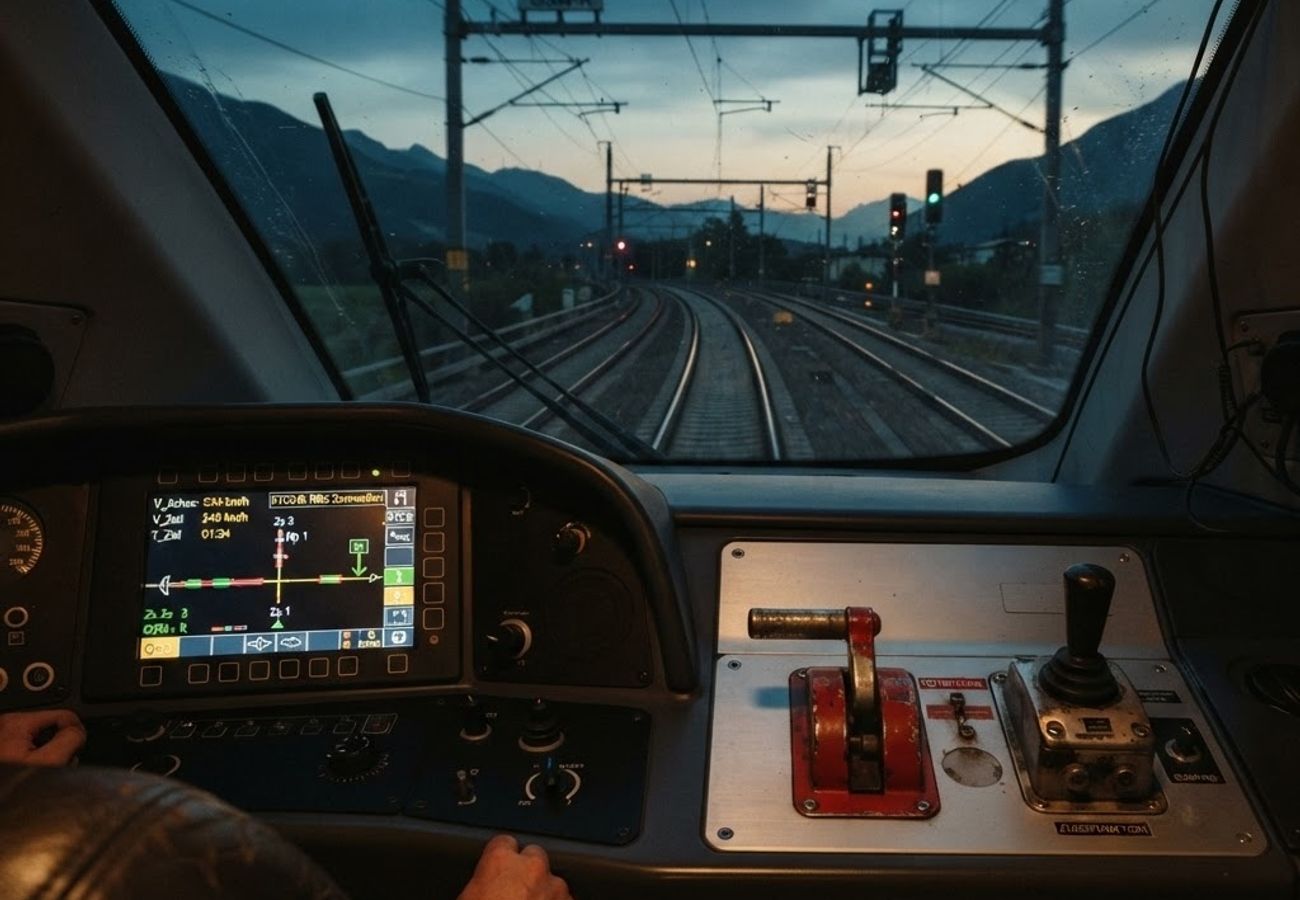
Image generated by AI
The push toward fully automated rail networks across Europe has created a critical safety paradox: as systems become more interconnected, the risk of total systemic failure grows.
The center of this transformation is Brussels, where operators are deploying passenger-centric technologies that redefine how we move across borders. However, a growing debate among safety engineers suggests that the "digital-first" approach may leave passengers vulnerable during rare, unpredictable network disruptions.
The Digital Transformation of European Rail
Modern European rail networks are no longer isolated machines; they are complex, connected ecosystems. The European Union Agency for Railways (ERA) has positioned the European Rail Traffic Management System (ERTMS) as the backbone of this evolution. By integrating the European Train Control System (ETCS) with railway radio communications, ERTMS allows for a harmonized approach to train control that transcends national borders.
The benefits of this digital shift are quantifiable. For the traveler, this translates to improved safety via automatic speed supervision and a significant reduction in operational delays, which increases overall network capacity. Real-time monitoring now allows for more accurate passenger information, making cross-border travel more seamless than ever before.
Yet, this interconnectedness introduces a "dependency risk." When onboard computers, signaling centers, and external data platforms are linked, a single failure can potentially paralyze operations, communication, and passenger assistance simultaneously.
The RAMS Framework: Beyond Software
To manage these risks, the industry relies on the RAMS engineering framework (Reliability, Availability, Maintainability, and Safety), specifically guided by standards such as IEC 62278-1:2025. This framework ensures that safety is not a single feature but a layered architecture.
| Safety Dimension | Impact on Rail Operations |
|---|---|
| Reliability | Systems perform required functions without failure |
| Availability | Equipment remains operational when needed |
| Maintainability | Failures can be repaired effectively |
| Safety | Risks to passengers and operations remain controlled |
While these digital layers optimize everyday travel, safety specialists argue that emergency functions—specifically passenger egress—should not share the same failure pathways as the systems they are designed to mitigate.
The Return of Mechanical Independence
The current trend in rail safety is a strategic pivot back to mechanical independence. The logic is simple: a mechanical emergency exit does not require software approval, network connectivity, or a continuous electrical supply. It relies on direct human action.
In extreme scenarios—such as total power loss, smoke infiltration, or severe infrastructure damage—digital interfaces may become unresponsive. In these moments, the resilience of the journey depends not on the sophistication of the AI, but on the physical reliability of a lever or a handle.
This philosophy mirrors the UNECE Regulation No. 107 used in the bus and coach sector, which mandates that emergency escape systems must remain available even if vehicle power systems fail. Rail operators are now looking to this cross-sector lesson to ensure that the "emergency" function is designed for the exact conditions where it is most needed: when everything else has stopped working.
Visitor Insider Tips for European Rail Travelers
For the frequent nomad or legal professional traversing Europe's high-speed networks, understanding the environment is key to a stress-free journey.
- The "Quiet Carriage" Etiquette: On networks like SNCF (France) or Deutsche Bahn (Germany), the Ruhebereich or quiet zones are strictly enforced. Avoid phone calls or loud discussions to avoid social friction with locals.
- Off-Peak Windows: To avoid the crushing crowds of the "digital boom," aim for mid-week travel (Tuesday/Wednesday) between 10:00 AM and 3:00 PM.
- Local Dining: Skip the onboard cafe for a more authentic experience. Visit the station's local boulangerie or kiosk for regional specialties before boarding.
- Safety Awareness: Upon boarding, take five seconds to locate the nearest manual emergency release handle. While digital systems are reliable, knowing the physical exit is the ultimate travel hack for peace of mind.
Tourism and Infrastructure Outlook
The long-term trajectory for European rail is a hybrid model. The industry is moving away from the idea that more technology automatically equals more safety. Instead, the goal is "resilience through diversity"—combining intelligent digital systems for daily efficiency with rugged, independent physical systems for extreme failures.
As passenger expectations rise to match airline-level convenience, the success of Europe's rail boom will be measured not by the speed of the trains, but by the invisibility and reliability of the safety nets beneath the digital surface.
The future of travel is digital, but the guarantee of safety remains physical.
Related Travel Guides
Disclaimer
This article is for informational and educational purposes only. It does not constitute legal, financial, or professional advice. While we strive to provide accurate and up-to-date information, travel policies, regulations, and conditions change rapidly. Always verify information with official sources before making travel decisions. Nomad Lawyer makes no representations about the accuracy, reliability, completeness, or suitability of the information provided. Readers should consult qualified professionals for advice specific to their circumstances. The views expressed in this article are those of the author and do not necessarily reflect the views of Nomad Lawyer.
Raushan Kumar
Founder & Lead Developer
Full-stack developer with 11+ years of experience and a passionate traveller. Raushan built Nomad Lawyer from the ground up with a vision to create the best travel and law experience on the web.
Learn more about our team →