
Europe’s Autumn Tourism Surge: Spain and Italy Lead as Travelers Shun Summer Crowds
European tourism is surging in 2026, with 1.32 billion nights spent in EU accommodations. Spain and Italy lead the shift toward autumn travel and cultural escap

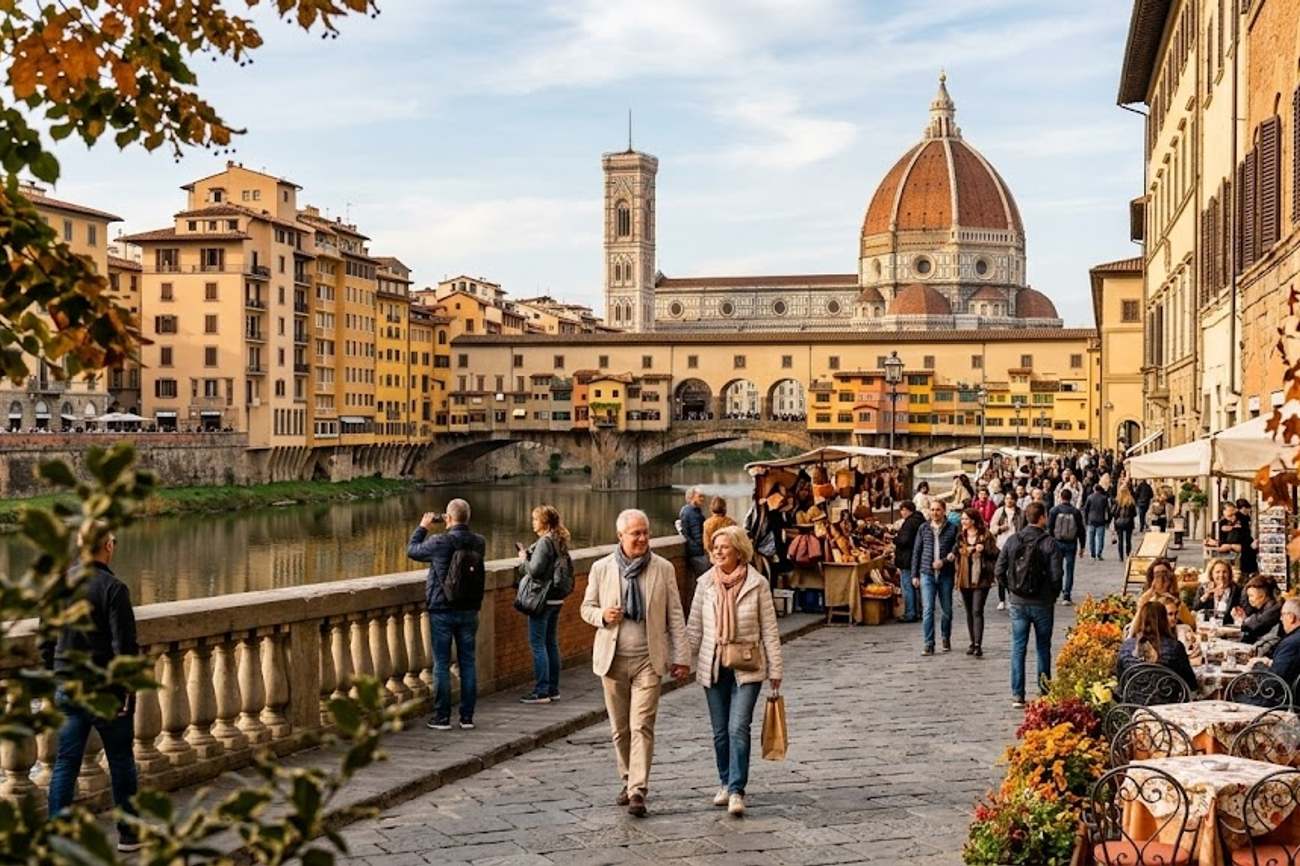
Image generated by AI
Europe Shifts Toward Shoulder-Season Travel
The traditional summer vacation window is no longer the sole driver of European tourism. As the continent transitions into autumn, a growing number of international travelers are opting for cooler climates, reduced crowds, and deeper cultural immersion. Recent industry data indicates that Europe is not merely a seasonal destination but a year-round hub for those seeking a more leisurely pace of exploration.
This transition is evident in the latest occupancy figures. During the first half of 2026, tourist accommodations across the European Union recorded approximately 1.32 billion overnight stays. This represents a 1.7% increase compared to the same period in 2025. Notably, international visitors accounted for nearly 50% of these nights, signaling a robust recovery and growth in global demand for European destinations during the "shoulder season."
Regional Demand Drivers for Autumn 2026
The current surge is not uniform but concentrated in nations that offer a blend of natural beauty and urban accessibility. While Spain and Italy remain the primary magnets, countries like Slovenia, Poland, and Belgium are seeing increased interest from travelers who prioritize authenticity over famous landmarks.
The appeal of autumn travel lies in the logistical advantages. The oppressive heat of July and August is replaced by mild temperatures, making city exploration and mountain hiking more viable. Furthermore, the reduction in tourist density allows for a more genuine interaction with local customs, cuisine, and history.
| Country | 2026 Traveler Interest Drivers | Autumn Appeal Factors |
|---|---|---|
| Spain | High international arrivals & increased spending | Mild weather, coastal accessibility, and cultural hubs |
| Austria | Growth in arrivals and overnight demand | Alpine foliage, Vienna/Salzburg city breaks, early winter prep |
| Slovenia | Rapid growth in foreign overnight stays | Lake districts, mountains, and Ljubljana's nature scenes |
| Poland | Increase in visitors and overnight stays | Historic city centers, museums, and budget-friendly breaks |
| Italy | Strong growth in international overnight stays | Ideal sightseeing weather, viticulture, and art history |
| Portugal | Recovery of international demand & lodging growth | Milder climates in Lisbon, Porto, and the Algarve |
| France | Steady growth in foreign visitor numbers | Wine regions, Paris museums, and countryside retreats |
| Belgium | Strong regional growth and tourism base | Compact city breaks in Brussels, Bruges, and Antwerp |
Spain Maintains Dominance in International Arrivals
Spain continues to lead the European market, showing resilience and growth even after the peak summer months. Official statistics reveal that in June 2026, the country hosted nearly 9.75 million international tourists, a 2.9% increase over June 2025. The first half of the year saw a total of over 46.5 million international arrivals, marking a 4.6% year-on-year rise.
Financial data underscores this growth. In July 2026, international visitor spending reached €18.22 billion, a significant 10.9% jump from July 2025. From January through July 2026, total international tourist expenditure climbed to €82.05 billion, representing a 7.8% increase.
Spain’s autumn viability is rooted in its geographic diversity. Travelers can transition from the museums of Madrid and the architecture of Barcelona to the historic landscapes of Andalusia without the intensity of summer heat. The United Kingdom, Germany, and France remain the primary source markets, fueling a steady stream of visitors who seek a combination of sunshine and culture.
Austria Emerges as a Premier Nature and City Destination
While Spain dominates the coast, Austria is capturing the market for alpine and urban escapes. July 2026 saw nearly 6 million guest arrivals in Austria, a 9.3% increase compared to the previous year. International arrivals specifically rose by 9.4%, while international overnight stays grew by 5.9%.
The scale of Austria's impact is highlighted by Eurostat data, which shows that Spain, Italy, and Austria collectively accounted for more than half of all international tourist nights in the EU during the first quarter of 2026. Austria contributed approximately 30.1 million of those international nights.
For the autumn traveler, Austria offers a sensory shift. The Alps undergo a dramatic color change, and the crisp air makes the region's mountain towns more inviting. Simultaneously, the urban appeal of Vienna, Salzburg, and Innsbruck provides a sophisticated alternative to beach holidays, focusing on music, palaces, and historic cafés.
Impact Analysis: The Economic Shift to Year-Round Tourism
The movement toward autumn travel is more than a preference; it is an economic strategy for European nations. By distributing tourist traffic across a wider window, countries can reduce the strain on infrastructure and mitigate the "overtourism" crises seen in cities like Venice or Barcelona during July.
The increase in average spending per traveler, particularly in Spain, suggests that autumn visitors may be higher-spending demographics—likely older adults or "slow travelers" who prioritize quality experiences over budget checklists. This shift encourages the development of luxury boutique accommodations and specialized cultural tours that operate outside the traditional peak season.
Why This Matters: The Traveler's Perspective
For the modern traveler, this trend represents a liberation from the "peak season trap." Traveling in autumn means shorter queues at the Louvre or the Uffizi, lower accommodation costs in some regions, and a more welcoming atmosphere from local businesses that are no longer overwhelmed by summer crowds.
From a logistical standpoint, the shift to autumn reduces the risk of heat-related travel disruptions and allows for a more sustainable pace of movement. Travelers are no longer rushing to see ten landmarks in three days; instead, they are spending a week in a single region, such as the Portuguese Algarve or the Belgian countryside, integrating more deeply with the local environment.
Related Travel Guides
Disclaimer
This article is for informational and educational purposes only. It does not constitute legal, financial, or professional advice. While we strive to provide accurate and up-to-date information, travel policies, regulations, and conditions change rapidly. Always verify information with official sources before making travel decisions. Nomad Lawyer makes no representations about the accuracy, reliability, completeness, or suitability of the information provided. Readers should consult qualified professionals for advice specific to their circumstances. The views expressed in this article are those of the author and do not necessarily reflect the views of Nomad Lawyer.
Preeti Gunjan
Contributor & Community Manager
A passionate traveller and community builder. Preeti helps grow the Nomad Lawyer community, fostering engagement and bringing the reader experience to life.
Learn more about our team →