
US Resumes Immigrant Visa Processing for Hungary and Poland Amid Global Pause
The US resumes immigrant visa processing in Hungary and Poland, easing delays for permanent residency applicants while a global pause remains in effect.

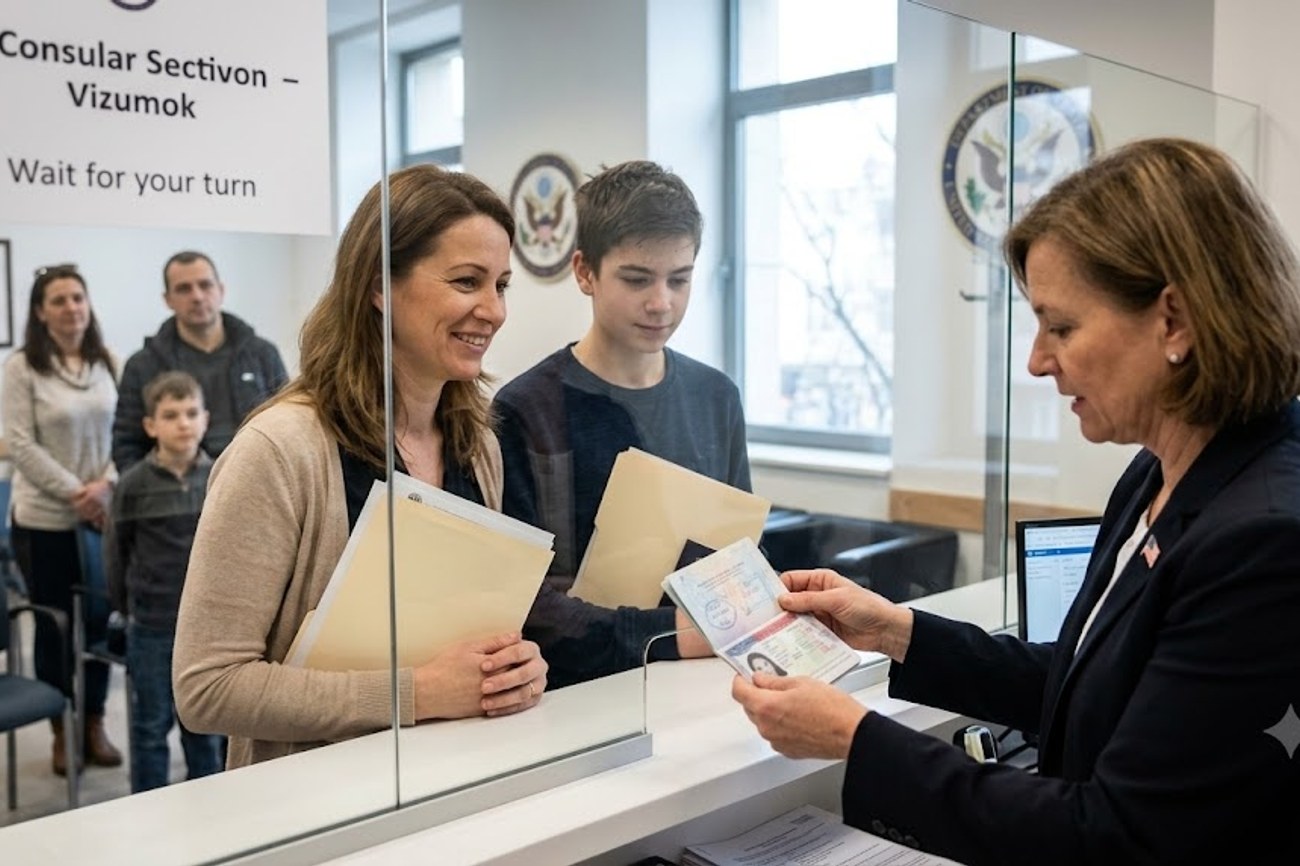
Image generated by AI
[Washington, D.C.] — The United States government has resumed the scheduling and processing of immigrant visas for applicants in Hungary and Poland, signaling a selective easing of restrictions that have previously stalled permanent residency applications worldwide. This move comes as US diplomatic missions continue to navigate a broader global pause on immigrant visa services, which was implemented to integrate new government assessment frameworks.
The decision to restart operations in these two European nations provides immediate relief to thousands of applicants seeking permanent relocation to the US. Unlike non-immigrant visas used for short-term tourism or business, immigrant visas grant the holder the right to live and work in the US permanently. The resumption of these services follows a period of significant uncertainty where revised review procedures and mandatory officer training led to widespread appointment cancellations and delays.
Shifting Requirements Drive Global Visa Pause
The current volatility in the US immigrant visa system stems from a comprehensive review of how applicants are vetted before entry. Specifically, the US Department of State implemented a pause to refine the "public charge" assessment—a regulatory mechanism used to determine if an applicant is likely to become financially dependent on government assistance.
Under this framework, consular officers are required to conduct more rigorous evaluations of an applicant's self-sufficiency. To ensure these standards are applied consistently, the US government mandated additional training for consular staff across its global network. This training requirement is the primary driver behind the ongoing pause in multiple regions, as embassies and consulates prioritize officer certification over appointment scheduling.
The immigrant visa journey is notoriously complex, requiring a multi-step verification process that includes:
- Initial petition approval by US citizenship and immigration authorities.
- Submission of comprehensive supporting documentation.
- Mandatory medical examinations by approved physicians.
- Strict security screenings and background checks.
- Formal interviews at a US embassy or consulate.
- Final adjudication and visa issuance.
Because each of these steps is interdependent, any pause in the final interview stage creates a bottleneck that disrupts the entire migration pipeline.
Priority Restored for Budapest and Warsaw
The recent policy shift specifically targets the US diplomatic missions in Hungary and Poland, allowing them to move forward with pending cases. For applicants in Hungary, the US Embassy in Budapest has resumed its consular operations for eligible residents and citizens. Similarly, the US Embassy in Warsaw has restarted its immigrant visa services for Polish nationals.
This selective resumption highlights a fragmented recovery of the US visa system. While applicants in Warsaw and Budapest can now secure interview dates, those in other regions remain in a holding pattern. Industry reports indicate that the wider pause will persist until the Department of State confirms that all relevant consular officers have completed the updated training modules associated with the new assessment criteria.
For those in Hungary and Poland, this development ends months of administrative limbo, allowing families and professionals to finalize their relocation timelines.
Direct Impact on Family Reunification and Labor Migration
The restart of processing in these two countries has immediate human and economic consequences. Immigrant visas are the primary vehicle for family-based migration, which constitutes one of the largest shares of permanent entries into the US.
The categories benefiting from this restart include:
- Immediate Relatives: Spouses, parents, and unmarried children of US citizens.
- Family Preference Categories: Siblings and adult children of US citizens or permanent residents.
- Employment-Based Immigrants: Professionals and skilled workers with approved labor certifications.
For these individuals, the pause was not merely a bureaucratic delay but a disruption of fundamental life plans. The inability to secure a visa interview often forces applicants to postpone home sales, resign from current employment, or delay the reunification of separated families. By reopening these channels in Poland and Hungary, the US is alleviating the personal and financial strain on these specific migrant populations.
US Immigration Policy Undergoing Structural Adjustment
The current situation reflects a broader era of transition within US immigration policy. The government is moving toward a model of increased scrutiny and more stringent screening across all migration categories.
The Department of State has emphasized that while the goal is to maintain the flow of legal immigration, the priority is ensuring that all entrants meet the updated legal and financial standards. The reliance on specialized training for consular officers suggests that the "public charge" and self-sufficiency evaluations are more complex than previous iterations, requiring a higher degree of officer discretion and documentation review.
This period of adjustment demonstrates the sensitivity of international mobility to domestic policy shifts. A change in assessment criteria in Washington can instantaneously freeze the movement of people thousands of miles away, affecting everything from corporate talent acquisition to private family dynamics.
Why This Matters: The Traveler and Applicant Perspective
For the prospective immigrant, this news underscores a critical reality: the path to permanent residency is currently subject to geopolitical and administrative volatility. The selective nature of the restart in Hungary and Poland suggests that the US is testing the rollout of its new assessment frameworks in specific regions before a full global relaunch.
From a logistical standpoint, applicants in these countries should immediately verify their document validity. Because the pause lasted several months, medical examinations or police certificates may have expired, potentially creating new delays even as appointments become available.
Furthermore, this situation highlights the growing divide between "travel" and "migration." While tourist visas have remained largely stable, the permanent residency track is now tied to complex socio-economic vetting. For those planning a life change, this means that "approved petitions" no longer guarantee a timely entry; the final hurdle is now an evolving set of financial assessments that can be paused or modified without prior notice.
Related Travel Guides
Disclaimer
This article is for informational and educational purposes only. It does not constitute legal, financial, or professional advice. While we strive to provide accurate and up-to-date information, travel policies, regulations, and conditions change rapidly. Always verify information with official sources before making travel decisions. Nomad Lawyer makes no representations about the accuracy, reliability, completeness, or suitability of the information provided. Readers should consult qualified professionals for advice specific to their circumstances. The views expressed in this article are those of the author and do not necessarily reflect the views of Nomad Lawyer.
Preeti Gunjan
Contributor & Community Manager
A passionate traveller and community builder. Preeti helps grow the Nomad Lawyer community, fostering engagement and bringing the reader experience to life.
Learn more about our team →