
EU Aviation Overhaul: Denmark, Estonia, Finland, and France Boost Transatlantic Route Capacity 2026
Denmark, Estonia, Finland, and France are deploying multilateral funding and digital airspace upgrades to streamline transatlantic travel and slash carbon emissions across key European gateways.

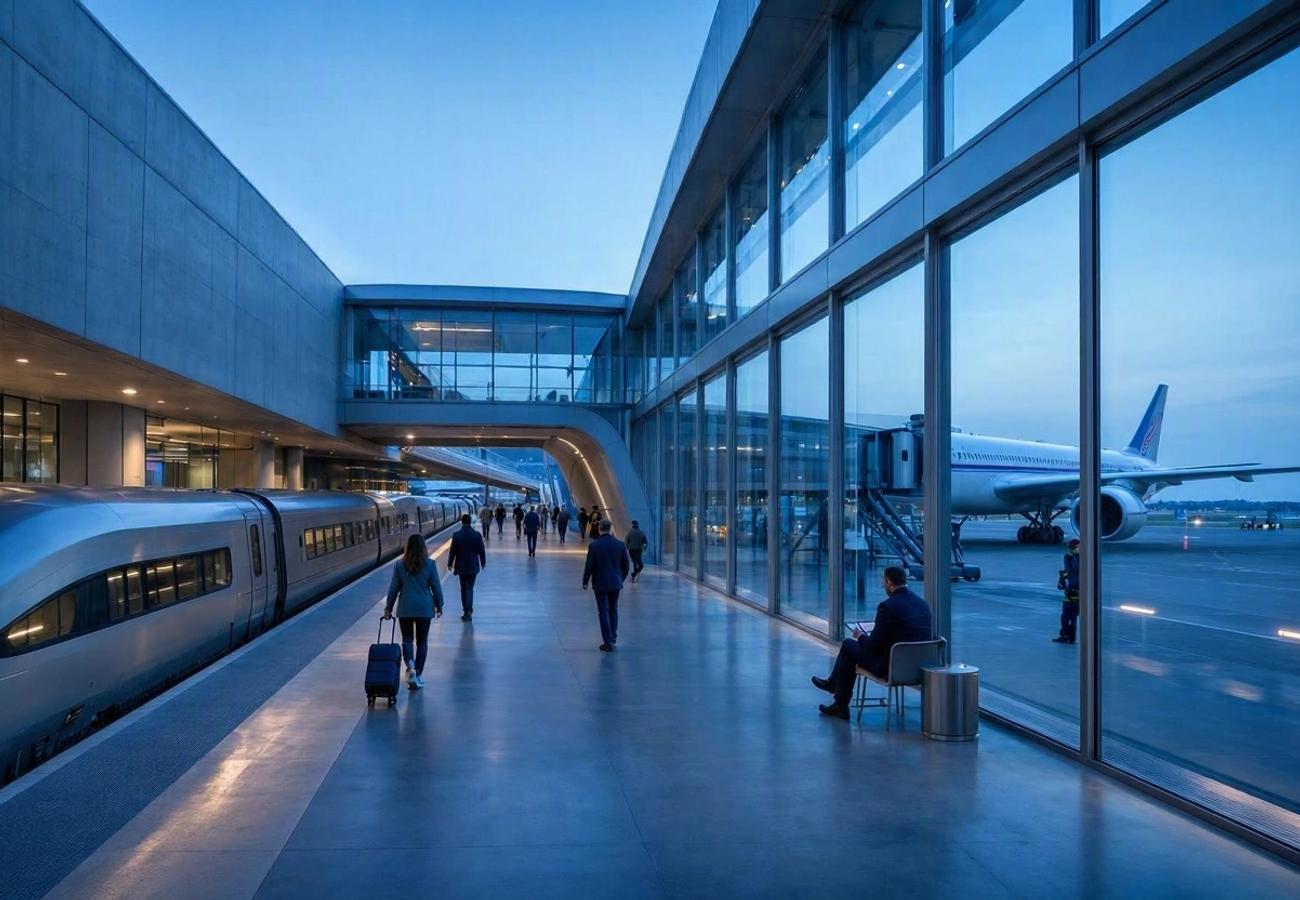
Image generated by AI
[Brussels, October 18, 2026] — Denmark, Estonia, Finland, and France are aggressively restructuring their aviation infrastructure to accelerate transatlantic travel and eliminate chronic congestion for flights arriving from North and South America. This coordinated effort leverages European Union funding to modernize airport terminals and digitize airspace, aiming to reduce flight delays and fuel consumption across the continent.
The initiative centers on a shift from fragmented national air traffic control to a synchronized, digital architecture. By integrating high-speed rail directly into airport hubs, these four nations are phasing out short-haul feeder flights to prioritize long-haul runway slots, effectively transforming how passengers move from primary gateways to regional destinations.
The Funding Engine Behind Gateway Upgrades
The modernization is powered by the Connecting Europe Facility (CEF 2.0 Transport), which has allocated €25.8 billion for the 2021–2027 period. These grants target the removal of ground-level carbon emissions and the expansion of passenger throughput for long-haul arrivals.
While major hubs in France and Denmark focus on increasing total capacity, northern gateways in Finland and Estonia are utilizing the funds to strengthen regional connections, ensuring that travelers from the Americas can transit efficiently into the Nordic and Baltic regions.
Digital Airspace and Route Optimization
To combat historical bottlenecks over Western and Northern Europe, France (via DGAC), Denmark (Naviair), Finland (Fintraffic), and Estonia (Estonian Air Navigation Services) are operating under the Single European Sky ATM Research (SESAR) Joint Undertaking.
This partnership replaces outdated "zig-zag" flight corridors with satellite-guided, 4D trajectory routing. By implementing direct trajectories, the system reduces airborne holding patterns and tactical vectoring delays, allowing airlines from the U.S. and Canada to maintain stricter arrival schedules while lowering operational costs.
Transatlantic Infrastructure and Connectivity Data
The following table outlines the specific rail-to-air integrations and the regulatory frameworks enabling this expansion.
| Country | Primary Gateway | Key Infrastructure Project | Regulatory Driver |
|---|---|---|---|
| France | Paris Charles de Gaulle | Direct TGV High-Speed Link | EU–US Open Skies Agreement |
| Denmark | Copenhagen Airport | Kastrup Rail Hub | EU–Canada Comprehensive Air Transport |
| Finland | Helsinki Vantaa | Ring Rail Line | ReFuelEU Aviation Initiative |
| Estonia | Tallinn Airport | Rail Baltica Station | EU Emissions Trading System |
What This Means for Travelers
For passengers booking flights to Europe, these systemic changes translate into three immediate practical impacts:
- Faster Transit Times: The integration of high-speed rail into terminals is designed to reduce average transfer times to just 15 minutes, removing the need for tedious short-haul connecting flights.
- Increased Flight Reliability: Digital airspace routing reduces the likelihood of "stacking" (holding patterns) over major cities, meaning fewer arrival delays for long-haul flights.
- Price Stability: The EU–US Open Skies and EU–Canada agreements remove restrictions on flight frequency and pricing, encouraging more carriers to launch direct routes, which typically increases competition and stabilizes fares.
The Green Mandate: Decarbonizing the Skies
Sustainability is no longer optional for carriers entering these airspaces. The ReFuelEU Aviation Initiative now mandates a minimum of 2% Sustainable Aviation Fuel (SAF) starting in 2025, with percentages scaling upward toward 2050.
Furthermore, airlines operating within the European Economic Area must participate in the EU Emissions Trading System, purchasing allowances for their carbon output. This framework is designed to protect high-traffic tourist zones—from the beaches of Nice to the forests of Lapland—from the ecological impact of increased passenger volumes.
FAQ: Transatlantic Travel to Europe 2026
Will I need to take a connecting flight to reach regional cities? Not necessarily. The new rail-to-air corridors at hubs like Paris CDG and Helsinki Vantaa allow you to switch from a long-haul flight to a high-speed train in roughly 15 minutes, bypassing domestic flights.
Are there new direct flights from North America? Yes. Due to the EU–US and EU–Canada Open Skies agreements, airlines have more freedom to launch new non-stop routes to Denmark, Estonia, Finland, and France without frequency restrictions.
How does "digital airspace" affect my flight? It reduces the "zig-zag" routing aircraft previously took. For you, this means shorter flight durations, less time spent circling the airport before landing, and a lower carbon footprint per seat.
What is SAF and why does it matter for my ticket? Sustainable Aviation Fuel (SAF) is a lower-carbon alternative to jet fuel. While it helps the environment, the cost of these mandates may be reflected in airline pricing or offset by government subsidies.
The era of the fragmented European sky is ending, replaced by a digital corridor that prioritizes speed and sustainability.
Related Travel Guides
Disclaimer
This article is for informational and educational purposes only. It does not constitute legal, financial, or professional advice. While we strive to provide accurate and up-to-date information, travel policies, regulations, and conditions change rapidly. Always verify information with official sources before making travel decisions. Nomad Lawyer makes no representations about the accuracy, reliability, completeness, or suitability of the information provided. Readers should consult qualified professionals for advice specific to their circumstances. The views expressed in this article are those of the author and do not necessarily reflect the views of Nomad Lawyer.
Kunal K Choudhary
Co-Founder & Contributor
A passionate traveller and tech enthusiast. Kunal contributes to the vision and growth of Nomad Lawyer, bringing fresh perspectives and driving the community forward.
Learn more about our team →