
Tracks Across the Dunes: How Etihad Airways and Etihad Rail Are Unlocking Seamless Air-Rail Travel in the UAE
Etihad Airways and Etihad Rail sign a landmark memorandum to connect Zayed International Airport directly to the Mohammed Bin Zayed City passenger railhead, pioneering integrated flight-and-train bookings across the Emirates.

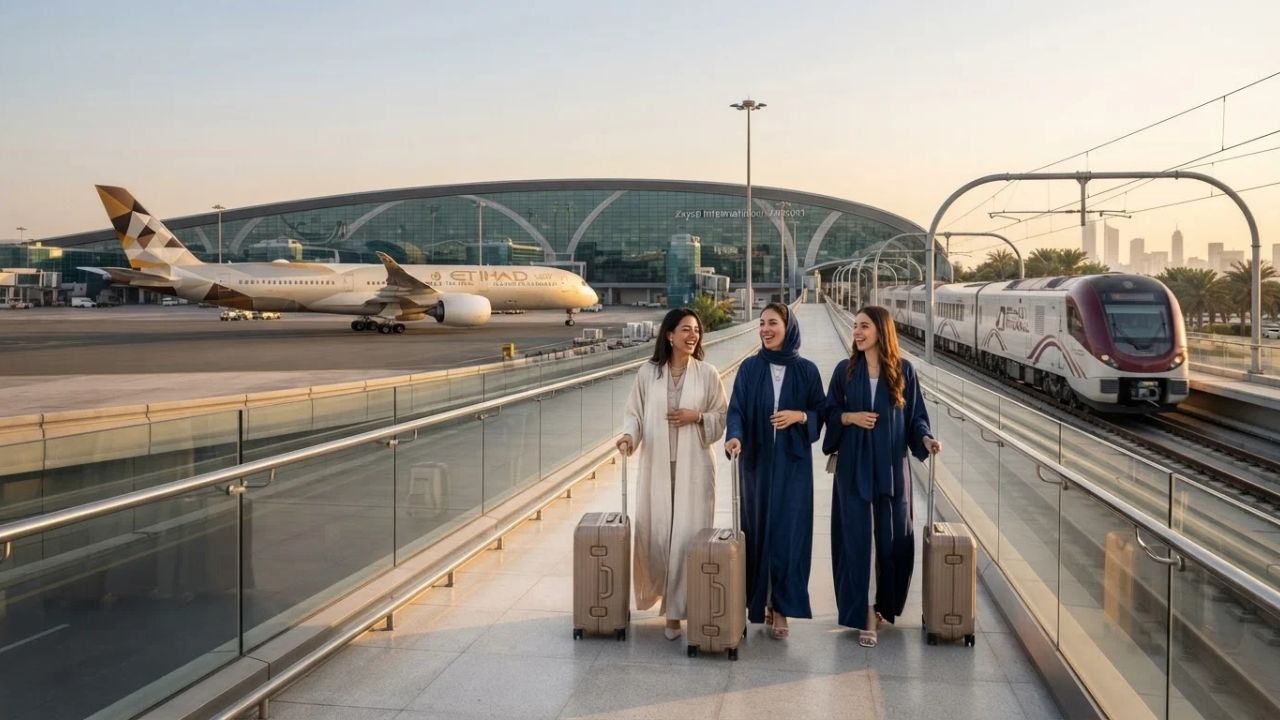
The integration of aviation and high-speed rail heralds a new era of multimodal transit across the United Arab Emirates
For decades, international travelers landing in the United Arab Emirates faced a singular transport reality: stepping out of world-class airport terminals directly onto multi-lane desert expressways where private limousines, rental cars, and highway buses were the only practical means of exploring the country. That automotive dominance is about to undergo a historic realignment. Under a newly signed memorandum of understanding, national carrier Etihad Airways and national railway developer Etihad Rail have formally partnered to design a seamless, multimodal air-rail transit network. The initiative evaluates dedicated shuttle transfers connecting the architectural pavilions of Zayed International Airport directly with the passenger rail platforms of the Mohammed Bin Zayed City Passenger Station, while laying the groundwork for integrated single-ticket bookings that pair long-haul international flights with domestic rail journeys across the Emirates.
Following the successful rollout of Etihad Rail’s dedicated passenger services earlier in 2026, this air-rail integration represents a transformative leap for the nation’s tourism and mobility architecture. Rather than treating inter-city transit as an exhausting sequence of separate airport taxis, highway tolls, and car rental returns, visitors touching down in Abu Dhabi will soon be able to check their luggage through to regional passenger railheads, transitioning effortlessly from wide-body aircraft to quiet electric trains speeding across the golden sand seas of the Arabian Peninsula.
The Multimodal Frontier: Connecting Zayed International to National Rails
The partnership between Etihad Airways and Etihad Rail addresses the critical final mile of long-haul travel. Zayed International Airport stands as one of the world's most technologically sophisticated aviation gateways, processing tens of millions of passengers through biometric boarding tunnels and curved terminal concourses inspired by desert dunes. However, onwards transit to other emirates historically required navigating dense highway traffic along the E11 corridor.
By examining dedicated, synchronized shuttle services connecting the airport arrivals hall with the Mohammed Bin Zayed City Passenger Station, the two entities aim to establish an effortless passenger conduit. The Mohammed Bin Zayed City station functions as a primary nerve center for the UAE’s national passenger railway network, positioned to dispatch high-speed passenger trains toward Dubai, the oasis city of Al Ain, Sharjah, and the dramatic mountain coastlines of Ras Al Khaimah and Fujairah on the Gulf of Oman.
Equally revolutionary is the digital scope of the cooperation. Planners are developing integrated air-rail reservation platforms that allow voyagers to purchase a unified ticket covering their entire international itinerary. A traveler departing London, New York, or Sydney will be able to book a single fare on Etihad’s digital channels that includes their long-haul flight into Abu Dhabi, immediate shuttle connection, and onward reserved train seat to their final destination in the Emirates. While technical feasibility studies are actively underway and no official public launch timeline has been confirmed, the initiative establishes the foundation for one of the most advanced air-rail ecosystems in the Middle East.
What Makes the Emirati Rail Journey Different: From Mangroves to Ancient Oases
Experiencing the United Arab Emirates by passenger train provides an intimate encounter with regional geography that highway driving completely obscures. Traveling overland by car, motorists see little beyond sound barriers, highway interchanges, and service plazas. Aboard Etihad Rail’s panoramic passenger carriages, the country reveals its raw natural majesty: expansive desert plains where wild Arabian oryx and gazelles graze among ghaf trees, jagged red sandstone dunes sculpted by wind currents, and coastal mangrove lagoons where greater flamingos wade through turquoise tidal flats.
In Abu Dhabi, the cultural environment blends ancient traditions with visionary artistic institutions. The Saadiyat Cultural District has become a global cultural beacon, anchored by the Jean Nouvel-designed dome of the Louvre Abu Dhabi and the forthcoming Guggenheim Abu Dhabi and Zayed National Museum. In the heart of the capital, the blinding white marble domes, floral mosaic courtyards, and reflective pools of the Sheikh Zayed Grand Mosque provide a tranquil spiritual retreat visited by millions of international admirers.
Taking the rail corridor east leads directly into Al Ain, the garden oasis city recognized under the UNESCO World Heritage Centre. Known as the historic birthplace of the nation’s founding father, Sheikh Zayed bin Sultan Al Nahyan, Al Ain preserves over four thousand years of continuous human habitation. Travelers walking through the quiet palm groves of the Al Ain Oasis can inspect ancient falaj water channels—an ingenious subterranean irrigation system that channels mountain runoff to nourish hundreds of thousands of date palms—or explore the Bronze Age beehive stone tombs perched on the rocky ridges of Jebel Hafit. Connecting these ancient inland sanctuaries directly to Abu Dhabi's international flight hub via rail will open deep cultural heritage to travelers who previously hesitated to undertake long desert road journeys.
Visitor Insider Tips: Navigating Abu Dhabi and the Emirates Like an Insider
- Experience the Louvre Abu Dhabi at Twilight: While tour buses flock to Saadiyat Island at midday, visit the Louvre Abu Dhabi between 5:00 PM and 7:30 PM on weekdays. As the desert sun sets over the Arabian Gulf, the museum's intricate geometric dome casts a breathtaking "rain of light" across stone waterfront promenades, and outdoor kayak tours allow you to paddle silently beneath the museum's floating architecture.
- Master High-Speed Airport Transit Hacks: When arriving at Zayed International Airport, download the official transit apps and verify whether your hotel offers direct terminal shuttles. If heading toward central Abu Dhabi or Corniche beach hotels, utilize express air-conditioned public buses or registered airport taxis equipped with digital card payments. Keep an eye on announcements from Visit Abu Dhabi for the opening of the new Mohammed Bin Zayed City air-rail shuttle transfers.
- Savor Authentic Emirati Culinary Traditions: Move past generic international hotel buffets to sample genuine Emirati gastronomy. Visit traditional dining houses like Al Fanar or local neighborhood kitchens in the Mina Zayed port quarter. Savor Lamb Machboos (tender braised lamb slow-cooked with aromatic basmati rice, cardamom, cinnamon, and dried black limes loomi), followed by freshly fried Luqaimat (warm, golden dough balls drizzled with rich date syrup and toasted sesame seeds) paired with freshly brewed cardamom gahwa coffee poured from a traditional curved dallah pot.
- Time Your Journey for Optimal Desert Weather: Plan your travels between November and March, when daytime temperatures across the Emirates hover around an ideal twenty-four degrees Celsius, humidity drops, and cool evening desert breezes invite outdoor dining, dune walks, and heritage festivals. Avoid the intense summer heat of July and August, when outdoor exploration is severely constrained.
- Observe Local Cultural and Dress Etiquette: The UAE is a modern, cosmopolitan nation that warmly embraces international visitors, but respecting local cultural norms remains essential. When visiting religious monuments, family parks, or traditional heritage souks, dress respectfully with shoulders and knees covered. Always ask permission before photographing local residents, and avoid public displays of loud or disruptive behavior.
Cultural and Environmental Context: Sustainable Mobility in the Desert
The strategic shift toward integrated rail and aviation connectivity arrives at a pivotal moment for regional sustainability. The United Arab Emirates has committed to achieving Net Zero greenhouse gas emissions by 2050, recognizing that transitioning domestic transport from fossil-fuel highway vehicles to electrified rail is fundamental to lowering national carbon intensity. A single freight train on the Etihad Rail network replaces hundreds of heavy diesel trucks, while expanding passenger rail dramatically curbs highway emissions along the heavily trafficked transport spines between Abu Dhabi, Dubai, and the northern emirates.
Simultaneously, the railway has been engineered with rigorous environmental safeguards designed to protect delicate desert biodiversity. Rail corridors passing through fragile ecosystems incorporate wildlife underpasses, dedicated animal fencing, and specialized bridge crossings that allow native gazelles, desert foxes, and reptiles to maintain ancestral migration paths without vehicle collisions. Mangrove restoration initiatives along coastal rail alignments in Abu Dhabi actively sequester carbon and protect coastal fish nurseries.
From a cultural perspective, seamless air-rail connectivity promotes decentralized economic growth across the country. By making remote historical towns in Al Dhafra and mountain communities in Fujairah easily accessible in under two hours from Zayed International Airport, tourism spending flows directly to rural handicraft cooperatives, local date farmers, and traditional fishing harbors. Travelers who embrace rail transit participate directly in this sustainable vision, proving that the future of Arabian travel lies in connecting ancient heritage with clean, quiet speed.
FAQ: Navigating UAE Air-Rail Travel in 2026
How will travelers transition from Zayed International Airport to Etihad Rail? Under the newly signed memorandum of understanding, dedicated express shuttle services are being developed to connect airport passenger terminals directly with the Mohammed Bin Zayed City Passenger Station.
Can passengers book combined flight and rail tickets right now? Not yet. Etihad Airways and Etihad Rail are actively studying and developing the integrated digital booking platform. Official timelines and booking launches will be announced upon completion of ongoing operational trials.
What major cities will be connected by the UAE passenger rail network? Etihad Rail's passenger services connect Abu Dhabi with Dubai, Al Ain, Sharjah, and the northern coastal emirates, stretching across the country to Fujairah on the Gulf of Oman.
Do international tourists need a visa to enter Abu Dhabi? Citizens from over 80 countries, including the European Union, United States, Canada, Australia, and the United Kingdom, receive a free 30-day or 90-day tourist visa on arrival at Zayed International Airport.
Across the silent dunes where camel caravans once charted the desert, the steel lines of modern rail now welcome the world with the timeless warmth of Emirati hospitality.
Related Travel Guides
- Tunnels Through the Sacred Peaks: How New Rail Corridors Are Halving Travel Times to Rishikesh and Karnaprayag
- Breaking the Continental Divide: How the 90 MPH Denver West Express Plans to Revolutionize Colorado Ski Travel
- Tracks Across the Dunes: The Complete Air-Rail Traveler's Guide to Abu Dhabi, Dubai, and Al Ain
Disclaimer
This article is for informational and educational purposes only. It does not constitute legal, financial, or professional advice. While we strive to provide accurate and up-to-date information, travel policies, regulations, and conditions change rapidly. Always verify information with official sources before making travel decisions. Nomad Lawyer makes no representations about the accuracy, reliability, completeness, or suitability of the information provided. Readers should consult qualified professionals for advice specific to their circumstances. The views expressed in this article are those of the author and do not necessarily reflect the views of Nomad Lawyer.
Raushan Kumar
Founder & Lead Developer
Full-stack developer with 11+ years of experience and a passionate traveller. Raushan built Nomad Lawyer from the ground up with a vision to create the best travel and law experience on the web.
Learn more about our team →