
England Unveils 24-Hour Free Public Bus Travel for Disabled Residents from 2027
A £60 million grant enables 24-hour free bus travel for one million disabled passengers in England starting April 1, 2027, boosting tourism.

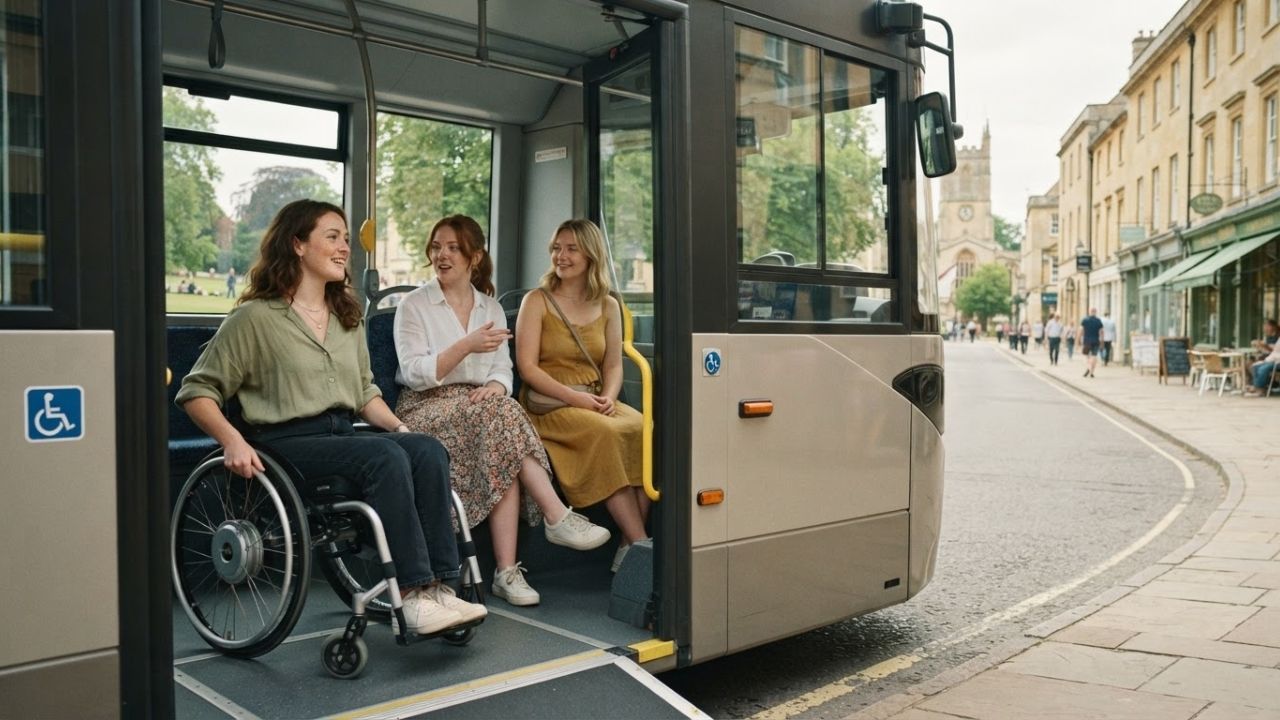
Image generated by AI
England will introduce round-the-clock free public bus travel for one million disabled residents starting spring 2027, eliminating previous weekday time restrictions. The policy, backed by a £60 million government grant, will allow eligible concessionary pass holders to travel at any hour, significantly improving accessibility to workplaces, education, healthcare, and tourism destinations.
The public transportation network in England is observing a major transition toward greater inclusivity, with national authorities restructuring concessionary fare policies to eliminate long-standing time restrictions. Starting in April 2027, the English National Concessionary Travel Scheme will undergo a significant expansion. Under the current rules, free weekday local bus travel for eligible disabled passengers is restricted to between 09:30 and 23:00. From 1 April 2027, these limits will end nationwide, granting pass holders the freedom to travel free of charge at any time of the day or night. The policy shift is funded by a joint £60 million grant provided by the Department for Transport and the Department for Work and Pensions.
For the traveler, the real impact of this nationwide reform is the development of a highly flexible and affordable public transit network. By removing the time constraints, disabled passengers can plan work commutes, education schedules, medical visits, and leisure trips without worrying about whether their journey falls within permitted free travel windows.
Expanding Mobility and Eliminating Regional Differences
The transition to a 24-hour travel arrangement aims to resolve regional differences in accessibility support across England:
- Current Weekday Limitations: Free local bus travel is restricted between 09:30 and 23:00 on weekdays, though weekend and bank holiday travel remains open throughout the day. The previous system's weekday restrictions often presented major barriers for disabled residents who needed to travel before 09:30 or after 23:00. Commuters working early morning shifts, students attending evening lectures, or patients with early medical appointments were forced to pay standard fares, creating a clear inequality in access. By introducing a nationwide 24-hour system, the government removes these financial and scheduling obstacles.
- Councils and National Minimums: While some local authorities have historically funded additional travel benefits, support has remained inconsistent depending on local council budgets.
- Consistent Nationwide System: The spring 2027 update will establish a single, standardized travel scheme across all local councils in England, replacing varied regional systems.
- UK-Wide Alignment: This policy brings England closer to Scotland and Wales, which already provide unrestricted free bus travel for eligible disabled passengers. Under the new policy, passengers will experience a seamless, uniform transport network across the entire country, regardless of regional boundaries.
By standardizing travel rules, the government aims to encourage greater movement between communities, supporting regional economies and domestic tourism.
Financial Integration and Collaborative Support Programs
The expanded concessionary travel benefit is supported by a long-term financial commitment designed to maintain the program across future spending reviews:
- £60 Million Funding: The grant is jointly provided by the Department for Work and Pensions and the Department for Transport, establishing a stable foundation for transit operators.
- Regional Precedents: The national expansion follows the successful pilot of unrestricted disabled travel within Greater Manchester, implemented through the regional Bee Network model.
- Cost-of-Living Support: The bus pass expansion operates alongside other national transport measures, such as maintaining the £2 single bus fare cap for participating transport operators.
These integrated transport initiatives help lower the overall cost of travel, allowing more residents to access services, retail centers, and community facilities without financial strain.
Ecotourism and Community Support in England
Promoting public bus usage is a key strategy for reducing vehicle congestion and carbon emissions in English towns and cities. For the traveler, the real impact is the availability of an affordable, low-emission transport network that supports slow-travel values. By choosing public buses over private car hires, visitors can explore historic terrains, coastal towns, and country parks while reducing their personal carbon footprints.
Travelers can support local economies by utilizing the bus network to visit family-run cafes, independent shops, and regional heritage sites. Staying at accessible, locally owned bed and breakfasts and buying fresh produce directly from weekly farmers' markets helps distribute tourism revenues to resident families, protecting independent rural businesses and local communities. In addition to using regional buses, travelers are encouraged to combine their journeys with accessible walking trails in national parks like the Lake District or Peak District. Many of these conservation areas have introduced sensory trails and wheelchair-friendly paths, allowing everyone to enjoy the natural environments of the UK. Supporting local, family-owned tea rooms, buying artisanal goods from village shops, and choosing certified accessible accommodation ensures that the economic benefits of tourism are distributed directly to the communities hosting visitors. This sustainable approach helps fund local wildlife protection and keeps traditional rural communities economically viable.
Destination Specialist Local Insider Tips
To help you navigate public transit and enjoy England's historical environments safely and comfortably, regional specialists suggest the following local tips:
- Confirm Concessionary Scheme Rules Locally: Although the 24-hour system starts on April 1, 2027, applications and pass renewals will still be managed by local councils under the English National Concessionary Travel Scheme (ENCTS).
- Savor Traditional Fish and Chips: Experience English culinary heritage. Sample authentic fish and chips (battered cod served with thick-cut chips, mushy peas, and vinegar) at local seaside towns.
- Utilize the £2 Fare Cap Prior to 2027: For travelers without concessionary passes, take advantage of the maintained £2 single bus fare cap to explore rural English destinations cheaply and sustainably.
- Queue Orderly at Bus Stops: Follow local public transit etiquette. Stand in a neat line at the bus stop, yield to boarding passengers with wheelchair access, and say "thank you" to the driver when exiting the bus.
- Target Mid-Week Shoulder Months: Plan your regional tours in May-June or September-October to enjoy mild weather (averaging 10°C to 17°C) and avoid busy summer school holiday crowds.
- Explore Accessible National Trails: Visit the Peak District National Park and enjoy level, wheelchair-accessible paths like the Monsal Trail near Bakewell, allowing all travelers to experience scenic rural valleys safely and comfortably.
- Ride the Accessible Lake District Buses: Take the Stagecoach bus lines in Cumbria, which offer modern low-floor vehicles with designated wheelchair spaces and audio-visual stop announcements for a scenic tour of the lakes.
Long-Term Outlook for Inclusive Public Transport
The long-term outlook for inclusive public transport and regional accessibility remains highly positive, supported by the integration of regional bus transit links, national funding commitments, municipal green space regulations, and standardized driver training programs. By standardizing free travel benefits across all local authorities, the Department for Transport is establishing a consistent system that benefits travelers, communities, and local businesses.
As transit operators prepare for the implementation of the 24-hour travel scheme in the spring of 2027, the collaboration between municipal planners, transport authorities, and disability advocacy groups will remain essential. This balanced approach protects the regional travel economy, supports local businesses, and ensures that England's transport networks remain open and accessible to all travelers.
Related Travel Guides
Disclaimer
This article is for informational and educational purposes only. It does not constitute legal, financial, or professional advice. While we strive to provide accurate and up-to-date information, travel policies, regulations, and conditions change rapidly. Always verify information with official sources before making travel decisions. Nomad Lawyer makes no representations about the accuracy, reliability, completeness, or suitability of the information provided. Readers should consult qualified professionals for advice specific to their circumstances. The views expressed in this article are those of the author and do not necessarily reflect the views of Nomad Lawyer.
Kunal K Choudhary
Co-Founder & Contributor
A passionate traveller and tech enthusiast. Kunal contributes to the vision and growth of Nomad Lawyer, bringing fresh perspectives and driving the community forward.
Learn more about our team →