
Emirates Summer Travel Surge Alert: Major Airport Congestion, Flight Delays Expected July 2026
Emirates warns of record summer passenger volumes hitting major international hubs this weekend. Airports brace for congestion as families travel for school holidays across Europe, Asia, and Middle East routes.

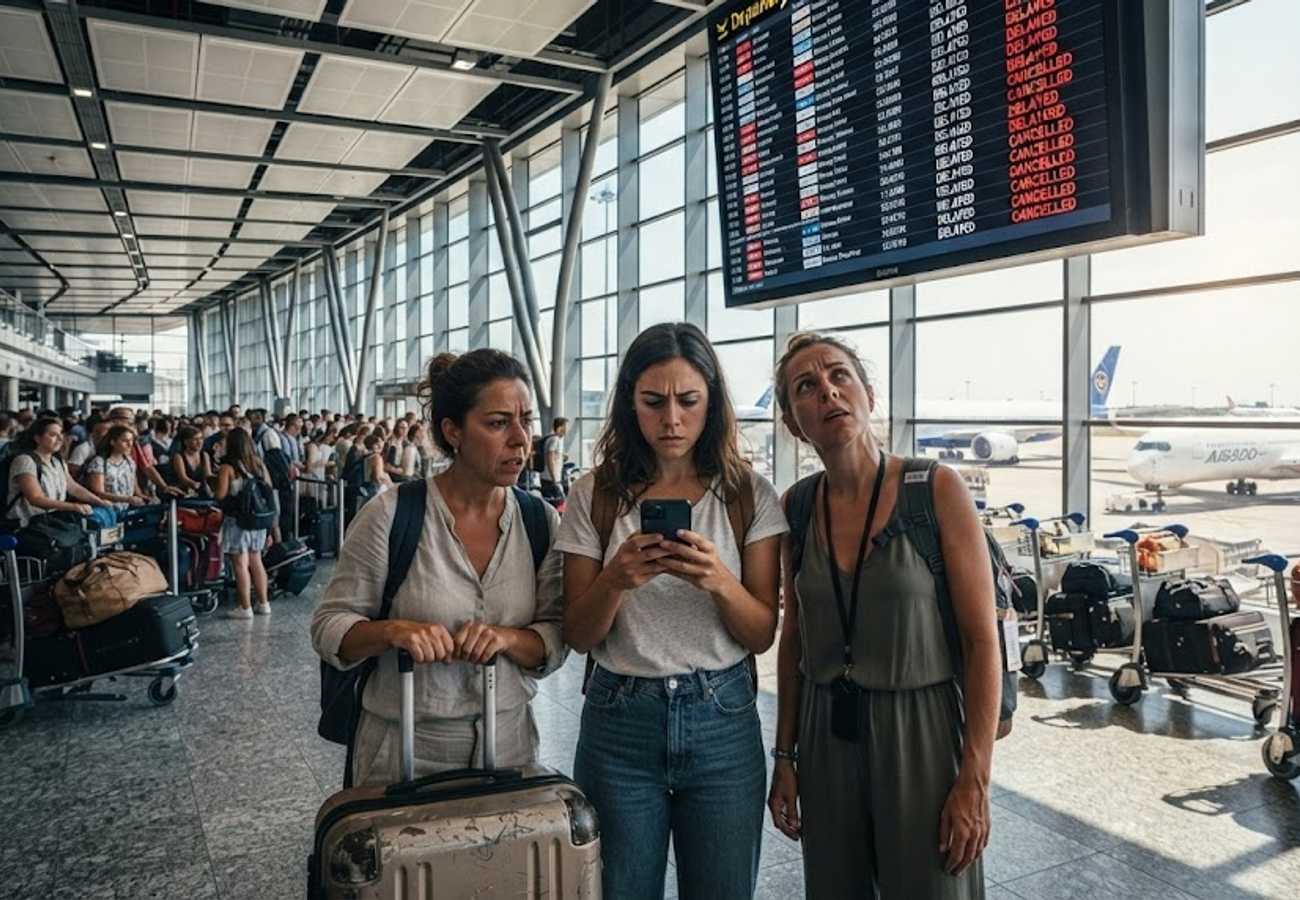
Image generated by AI
The Summer Travel Storm Is Here—And Airports Aren't Ready
It's happening right now. As of this weekend, Emirates and major international airports are bracing for what could be the busiest travel period of 2026. School holidays have synchronized across Europe, Asia, and the Middle East, unleashing a wave of family travelers, leisure seekers, and business passengers onto global aviation networks all at once.
The pressure is real. Load factors on long-haul routes are expected to spike dramatically. Terminal congestion is already forecasted at major hubs. And if you're traveling in the next two weeks without proper preparation, you could face significant delays.
Why This Summer Is Different—The Numbers Tell the Story
This isn't just another peak season. The summer 2026 travel surge represents a convergence of multiple demand drivers hitting simultaneously. Family groups are traveling in larger numbers than previous years. Long-haul leisure bookings on Emirates routes have surged by double digits. And connecting traffic through Middle East hubs—already high—is expected to intensify further.
The operational pressure on ground handlers, security teams, and baggage systems is unprecedented for this time of year. Airports connected to Emirates' global network are particularly vulnerable because they function as massive transit hubs for intercontinental connections.
Reddit: "Just booked my family trip for mid-July. Reading that airports are already slammed. Arriving 4 hours early now instead of 3. Better safe than missing my connection." — r/travel
Emirates' Structured Passenger Guidance—What You Need to Know
Emirates has issued clear, actionable guidance to manage this surge. Here's what the airline is emphasizing:
Complete online check-in before arriving at the airport. This reduces counter congestion and cuts processing time significantly. Mobile boarding passes are your friend.
Arrive earlier than your normal schedule. The airline is recommending passengers factor in additional buffer time, especially for connecting flights. Peak departure windows are chaos—avoid them if possible.
Verify all travel documents in advance. Passports, visas, and boarding confirmations should be reviewed days before travel, not at the airport. A single missing document creates a cascading delay effect during high-volume periods.
Stay connected to official flight status channels. Weather disruptions, gate changes, and minor delays happen faster during peak season. Real-time updates matter.
Terminal Congestion: The Bottleneck Reality
Walk into any major international airport right now, and you'll see it: longer queues at check-in, packed security screening areas, and crowded boarding gates. This is the new normal for the next 14-21 days.
Baggage drop counters are experiencing extended wait times. Immigration and customs processing lanes are operating at maximum capacity. Even with additional staff deployed by airport authorities, processing times have stretched from 15-20 minutes to potentially 45+ minutes during peak windows.
The airports most affected include those serving as Emirates transit hubs, where connecting passengers add an extra layer of complexity. Missing a connection during peak season can mean waiting 8-12 hours for the next available flight—because they're already overbooked.
Family Travel During Peak Season: Plan Extra Time
Family groups represent a significant portion of summer travel demand, and they require additional consideration. Parents traveling with multiple children face longer check-in times due to baggage volume and coordinated security screening for group members.
Emirates is specifically advising families to:
- Arrive 4 hours before international departures (versus the standard 3 hours)
- Prepare all travel documents for every family member separately
- Pack carry-on strategically to avoid baggage complications
- Brief children on security procedures before reaching the airport
Single travelers with minimal baggage can move faster, but family groups should assume 20-30% longer processing times during peak departure windows.
Smart Travel Strategy for the Next Two Weeks
If you're traveling this month, treat airport navigation as a strategic operations challenge. Here's the winning playbook:
Depart during non-peak windows. Early morning (5-7 AM) and late evening (9 PM+) flights experience significantly less congestion. Mid-morning and afternoon departures are disaster zones right now.
Monitor weather and flight updates obsessively. Heat waves, thunderstorms, and air traffic delays compound congestion problems. Check updates 2-3 times daily in the week before your flight.
Use airport apps for real-time information. Terminal maps, security wait times, and gate changes are available through official airport apps. Load these before arriving.
Arrive at the airport earlier than you think necessary. If the airline says 3 hours, add another hour. Patience is your greatest asset during peak season.
Reddit: "Pro tip: Use TSA PreCheck or equivalent programs if you can. Cuts security time in half. Absolute game-changer during summer travel." — r/travel
The Broader Impact: Europe-Asia Routes Under Maximum Pressure
Emirates operates some of the world's most competitive long-haul routes connecting Europe, Asia, and the Middle East. During summer peak, these routes are flying with near-100% load factors. Every seat is full. Every flight is critical to revenue management. And delays on one flight cascade across the entire network.
Passengers booking connections through Dubai or other major hubs should anticipate potential delays on both legs. A 20-minute delay on an inbound flight can create serious pressure for an outbound connection, especially if the hub is already operating at maximum capacity.
What Happens If You Miss Your Connection?
During peak season, rebooking options are limited. Airlines don't have spare capacity floating around. If you miss a connection due to a delay on the first leg, the airline will try to get you on the next available flight—which might be 8-12 hours later. This is a legal obligation, but it's also a reality of peak-season travel.
If you miss a connection due to your own delay (arriving late, slow security screening), you're typically responsible for the rebooking costs. This is why arriving early isn't optional—it's essential.
The Bottom Line: Preparation Wins
Emirates and airport authorities are doing everything possible to manage this surge, but the system has limits. During the busiest travel period of the year, preparation, patience, and smart timing are the only variables you control.
Start preparing now. Check your documents. Book early departures if possible. Arrive at the airport with extra time. Stay connected to updates. And maintain realistic expectations about processing times.
The summer travel peak of 2026 is here, and it's going to be intense.
Arrive early, stay calm, and don't let summer travel chaos derail your plans.
Related Travel Guides
Disclaimer
This article is for informational and educational purposes only. It does not constitute legal, financial, or professional advice. While we strive to provide accurate and up-to-date information, travel policies, regulations, and conditions change rapidly. Always verify information with official sources before making travel decisions. Nomad Lawyer makes no representations about the accuracy, reliability, completeness, or suitability of the information provided. Readers should consult qualified professionals for advice specific to their circumstances. The views expressed in this article are those of the author and do not necessarily reflect the views of Nomad Lawyer.
Preeti Gunjan
Contributor & Community Manager
A passionate traveller and community builder. Preeti helps grow the Nomad Lawyer community, fostering engagement and bringing the reader experience to life.
Learn more about our team →