
Emirates SkyCargo Deploys Boeing 777-300ER Special Freighter to Expand Global Trade Capacity 2026
Emirates SkyCargo integrates a converted Boeing 777-300ER Special Freighter into its fleet, significantly increasing payload capacity to support global e-commerce and pharmaceutical supply chains.

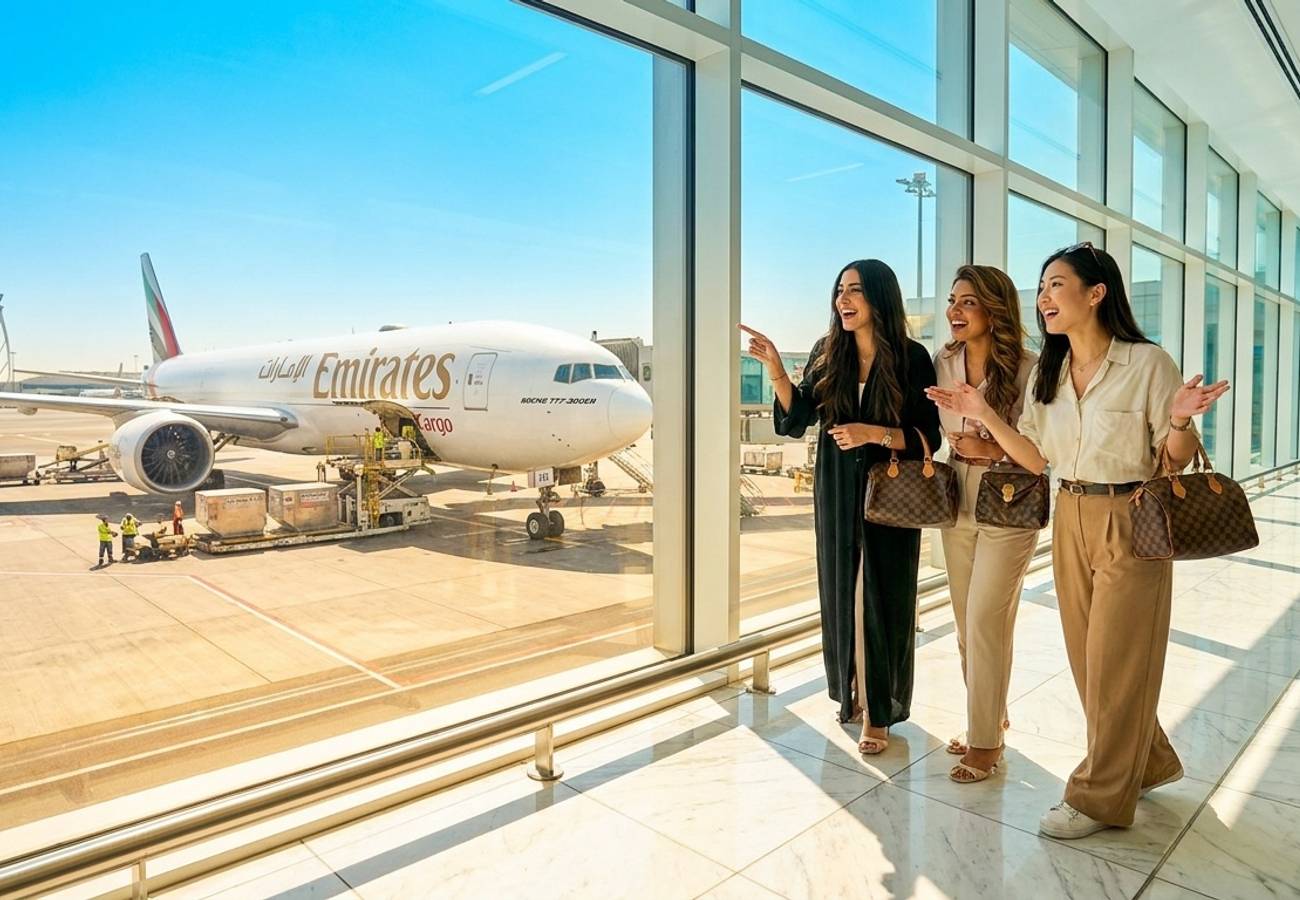
Image generated by AI
Emirates SkyCargo has expanded its operational capacity through the introduction of a Boeing 777-300ER Special Freighter. This conversion of a former passenger aircraft into a dedicated cargo platform marks a strategic shift in the UAE's approach to global logistics and trade connectivity.
The deployment of the Special Freighter addresses the rising demand for high-volume air freight. By repurposing existing airframes, Emirates SkyCargo is scaling its ability to move heavy and sensitive goods across Asia, Europe, Africa, the Middle East, and the Americas. This move leverages Dubai’s position as a central transit point to bridge economic gaps between major global markets.
Technical Specifications and Payload Capabilities
The converted Boeing 777-300ER is engineered for maximum utility, focusing on volume and weight efficiency. The aircraft features a reinforced floor structure to accommodate heavier industrial loads and specialized cargo units.
Key Performance Metrics:
- Payload Capacity: Approximately 100 tonnes.
- Cargo Volume: Roughly 811 cubic metres.
- Loading Systems: Integrated powered rollers and advanced locking mechanisms for rapid turnaround.
- Safety Enhancements: Upgraded smoke detection and fire protection systems for high-risk shipments.
Logistics Infrastructure and Specialized Handling
Market trends suggest a growing necessity for precision in air transport. The Special Freighter includes enhanced environmental control systems, allowing the carrier to maintain strict temperature ranges. This is a critical requirement for the transport of pharmaceuticals and medical supplies.
The aircraft supports several high-growth sectors, including:
- Healthcare: Rapid delivery of medical equipment and temperature-sensitive drugs.
- E-commerce: Scaling the distribution of online retail shipments.
- High-Value Goods: Secure transport of luxury items and electronics.
- Industrial Support: Movement of heavy components and machinery.
Impact on Global Tourism Logistics
Industry observers note that the efficiency of air cargo directly influences the quality of international tourism. Tourism infrastructure—including luxury resorts, hotels, and event organizers—relies on these logistics networks for the steady supply of premium goods and specialized equipment.
By increasing the frequency and capacity of freighter flights, Emirates SkyCargo ensures that tourism destinations remain competitive and fully supplied, regardless of their geographical isolation.
Capacity Overview: Boeing 777-300ER Special Freighter
| Feature | Specification |
|---|---|
| Aircraft Type | Boeing 777-300ER (Converted Freighter) |
| Max Payload | ~100 Tonnes |
| Total Volume | ~811 Cubic Metres |
| Primary Hub | Dubai, UAE |
| Key Specialization | Temperature-controlled / Heavy Lift |
Why This Matters: Industry Implication
The conversion of passenger aircraft into freighters is not merely a fleet update; it is a response to the "Amazon effect" and the permanent shift in global supply chain priorities. The Boeing 777-300ER conversion demonstrates a pivot toward flexibility. Rather than waiting for new-build freighter deliveries, which can face significant manufacturing backlogs, Emirates is utilizing existing assets to capture immediate market share in the logistics sector.
Our analysis indicates that this move strengthens the "hub-and-spoke" model of Dubai. By increasing the sheer volume of cargo that can land in Dubai and be redistributed, the UAE is cementing its status as the primary logistics artery between the East and West. This reduces reliance on traditional maritime routes for high-value goods and increases the resilience of global healthcare and retail supply chains.
Forward Outlook
Expect further passenger-to-freighter (P2F) conversions across the Emirates fleet as the airline optimizes for cargo yield. The integration of these aircraft suggests a long-term strategy to decouple revenue streams from passenger volatility, ensuring a stable income flow from the logistics sector. Future updates will likely focus on further automating the loading process to reduce ground time and increase flight frequency.
The shift toward specialized freighter conversions signals a new era of aviation flexibility.
Related Travel Guides
Disclaimer
This article is for informational and educational purposes only. It does not constitute legal, financial, or professional advice. While we strive to provide accurate and up-to-date information, travel policies, regulations, and conditions change rapidly. Always verify information with official sources before making travel decisions. Nomad Lawyer makes no representations about the accuracy, reliability, completeness, or suitability of the information provided. Readers should consult qualified professionals for advice specific to their circumstances. The views expressed in this article are those of the author and do not necessarily reflect the views of Nomad Lawyer.
Raushan Kumar
Founder & Lead Developer
Full-stack developer with 11+ years of experience and a passionate traveller. Raushan built Nomad Lawyer from the ground up with a vision to create the best travel and law experience on the web.
Learn more about our team →