
Finnair Orders 18 Embraer E195 Jets: European Airline Travel Gets Greener
Finnair has committed to 18 Embraer E195-E2 aircraft through 2029, enhancing airline travel across Europe with fuel-efficient jets. The carrier plans quieter, lower-emission operations on regional routes.

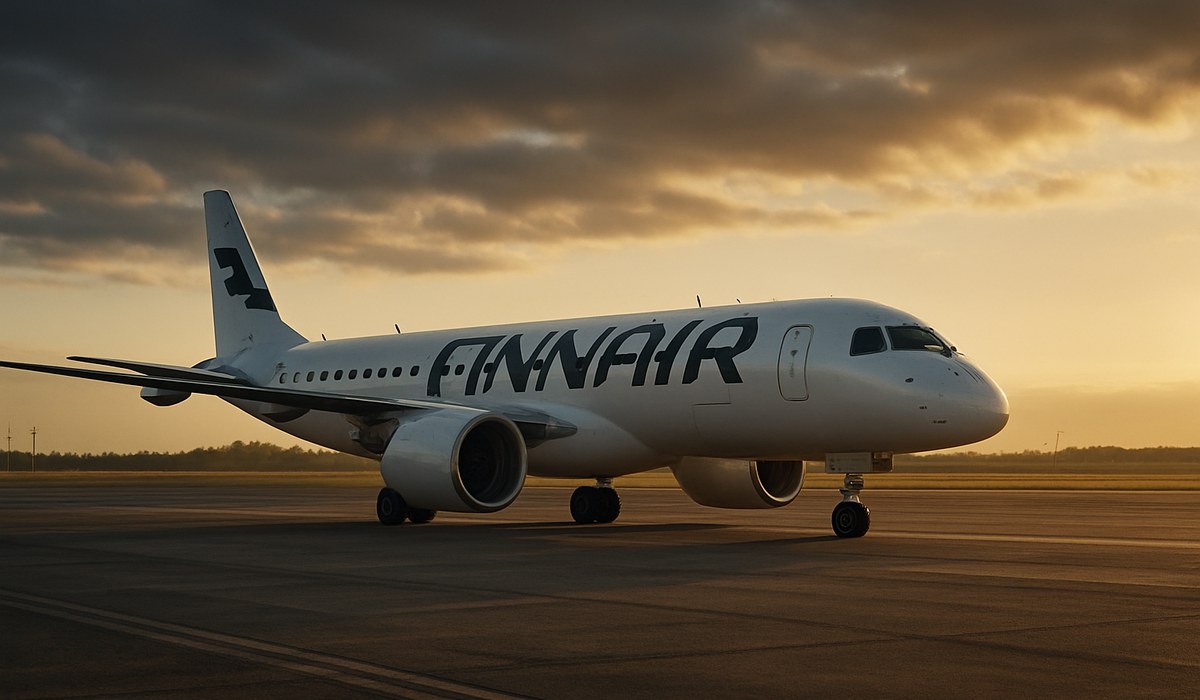
Image generated by AI
Finnair Expands Fleet with Embraer E195-E2 Aircraft Order
Finnair has announced a substantial aircraft acquisition targeting 18 Embraer E195-E2 jets. The Finnish carrier plans to integrate these modern turboprops into operations beginning in 2026, with full fleet deployment anticipated by 2029. This strategic investment signals Finnair's commitment to upgrading regional airline travel across Northern and Central Europe while reducing environmental impact.
The E195-E2 represents the latest generation of regional aircraft technology. These jets deliver 30% better fuel efficiency compared to legacy models, directly benefiting both operational costs and passenger comfort during shorter European routes.
Why Finnair Chose the Embraer E195-E2 Platform
Finnair selected the Embraer E195-E2 after extensive evaluation of competing regional aircraft platforms. The decision reflects growing demand for quieter, cleaner airline travel solutions across European markets. The aircraft operates with 146 seats in a typical two-class configuration, perfectly suited to Finnair's regional network strategy.
The E195-E2 produces 40% less noise than previous-generation regional jets. This capability proves critical for operations at congested hubs like Helsinki Vantaa (HEL), where early-morning and late-evening flight restrictions impact scheduling. Embraer's advanced engine design enables lower fuel consumption per passenger, reducing each aircraft's annual carbon footprint by approximately 17,500 metric tons.
Finnair operates one of Europe's most extensive regional networks. The carrier serves over 80 European destinations, with many requiring aircraft optimized for short-haul efficiency. The E195-E2 achieves this balance perfectly, matching the airline's operational requirements from 2026 through 2029 and beyond.
Fleet Deployment Timeline and Route Integration
Finnair's delivery schedule spans three years, beginning in late 2026 and concluding by 2029. This phased approach allows the carrier to integrate new aircraft without disrupting existing operations. Initial aircraft will enter service on high-frequency Nordic and Baltic routes, where noise reduction benefits neighboring communities most directly.
The airline plans to retire older regional equipment as E195-E2 jets arrive. This gradual transition minimizes passenger disruption while gradually modernizing the entire regional fleet. Routes connecting Helsinki, Stockholm, Copenhagen, and Tallinn will receive priority assignments.
Airlines operating the E195-E2 consistently report higher passenger satisfaction scores. The aircraft's advanced cabin pressurization system reduces jet lag symptoms on regional routes. Larger windows and improved lighting also enhance the passenger experience during daylight European routes.
Environmental Impact and Sustainability Goals
The Embraer E195-E2 contributes substantially to Finnair's 2035 carbon neutrality targets. Each aircraft burns approximately 0.63 liters of fuel per kilometer, substantially below industry benchmarks. Over a typical 20-year operational lifespan, an E195-E2 produces 4.5 million fewer kilograms of CO2 emissions compared to 1990s-era regional aircraft.
Finnair has committed to sustainable aviation fuel (SAF) use beginning in 2027. The E195-E2 operates on 100% SAF blends without engine modifications, enabling rapid decarbonization across the regional network. This positions the carrier as a sustainability leader in European airline travel during an era of increasing environmental regulations.
The aircraft's advanced systems enable optimized flight paths and departure procedures. Continuous descent approaches reduce fuel consumption during landing phases by 8-12%. These operational efficiencies compound across thousands of annual flights, delivering measurable environmental benefits for Nordic communities.
Competitive Implications for European Aviation
This Embraer E195-E2 commitment strengthens Finnair's competitive positioning against Scandinavian Airlines and Norwegian Air. The modernized fleet enables more frequent departures and improved on-time performance, crucial competitive advantages for business travelers and leisure passengers.
Airbus competition in the regional segment faces pressure from Embraer's superior fuel economics. The Canadian/Brazilian aerospace sector partnership demonstrates technological parity with established European manufacturers. Finnair's decision validates the E195-E2 as the market-leading regional platform for European airline travel during 2026-2029.
The order represents a significant vote of confidence in Embraer's regional strategy. Other European carriers evaluating fleet modernization will monitor Finnair's operational experience closely. Successful E195-E2 integration could trigger additional European airline orders, reshaping the competitive landscape for regional aircraft manufacturing.
Regional Route Expansion Potential
The expanded E195-E2 fleet enables Finnair to profitably serve secondary European markets currently requiring larger aircraft. Smaller regional cities across Poland, Lithuania, and Latvia gain improved connectivity through optimized aircraft economics. This network expansion benefits traveling professionals and tourists seeking destinations beyond traditional Northern European circuits.
Finnair's regional focus differentiates the carrier from larger European competitors. Rather than competing directly on major transcontinental routes, Finnair deepens its position as the connectivity leader within Nordic and Baltic markets. The E195-E2 fleet supports this strategic positioning through 2029 and beyond.
| Specification | Value | Comparative Advantage |
|---|---|---|
| Aircraft Model | Embraer E195-E2 | Latest regional generation |
| Seating Capacity | 146 passengers | Optimal for regional routes |
| Fuel Consumption | 0.63 L/km | 30% below legacy aircraft |
| Noise Output | -40% vs. previous generation | Suitable for congested hubs |
| Range Capability | 4,815 km | Covers all European routes |
| Delivery Period | 2026–2029 | Phased fleet modernization |
| Annual CO2 Savings | 17,500 metric tons per aircraft | Supports 2035 carbon targets |
What This Means for European Travelers
Finnair passengers benefit directly from this modernization commitment. Regional routes experience improved seat comfort through cabin innovations. The aircraft's larger windows and enhanced pressurization systems reduce passenger fatigue on morning and evening flights across Northern Europe.
Frequent flyer programs gain expanded daily frequencies on popular Nordic routes. Increased aircraft availability enables Finnair to reduce flight cancellations and schedule adjustments. Passengers connecting through Helsinki Vantaa (HEL) experience improved reliability and shorter layover times.
Ticket pricing on regional routes may stabilize as fuel costs decline with E195-E2 efficiency gains. Environmental-conscious travelers appreciate flying with Finnair's modernized, sustainable-fuel-capable fleet. Business travelers value the improved cabin environment and departure reliability during critical business trips through 2026-2029 implementation phases.
FAQ: Finnair E195-E2 Fleet Questions
When will Finnair's first Embraer E195-E2 aircraft enter service? Finnair expects to receive and operate its first E195-E2 aircraft in late 2026. The initial aircraft will undergo crew training and certification processes before entering scheduled service on Helsinki-based regional routes. Subsequent aircraft will follow on quarterly schedules through 2029.
How does the Embraer E195-E2 compare to other regional aircraft in airline travel? The E195-E2 delivers 30% better fuel efficiency than previous-generation regional jets and operates with 40% lower noise levels. For airline travel across Europe, this means superior passenger comfort, lower ticket prices, and reduced environmental impact compared to older Airbus or Bombardier regional platforms.
Will this aircraft order affect ticket prices on Finnair's European routes? Lower operating costs from E195-E2 fuel efficiency may enable competitive pricing on regional airline travel. However, dynamic market factors influence final ticket prices. Passengers should monitor Finnair's published fares during 2026-2029 to identify potential savings on frequently-traveled Nordic and Baltic routes.
What happens to Finnair's current regional aircraft fleet? Finnair will retire older regional equipment systematically as E195-E2 jets arrive through 2029. Some legacy aircraft may be sold to secondary markets or leasing companies. This gradual replacement strategy minimizes operational disruptions while improving fleet average age and efficiency metrics.
Related Travel Guides
Guide to Flying Through Helsinki Vantaa Airport in 2026
Disclaimer
This article is for informational and educational purposes only. It does not constitute legal, financial, or professional advice. While we strive to provide accurate and up-to-date information, travel policies, regulations, and conditions change rapidly. Always verify information with official sources before making travel decisions. Nomad Lawyer makes no representations about the accuracy, reliability, completeness, or suitability of the information provided. Readers should consult qualified professionals for advice specific to their circumstances. The views expressed in this article are those of the author and do not necessarily reflect the views of Nomad Lawyer.
Kunal K Choudhary
Co-Founder & Contributor
A passionate traveller and tech enthusiast. Kunal contributes to the vision and growth of Nomad Lawyer, bringing fresh perspectives and driving the community forward.
Learn more about our team →