
Emirates Reinstates Second Daily A380 to Singapore Changi
Emirates temporarily upgrades flights EK354 and EK355 from the Boeing 777-300ER to the Airbus A380 for the October 2026 corridor between Dubai and Singapore.

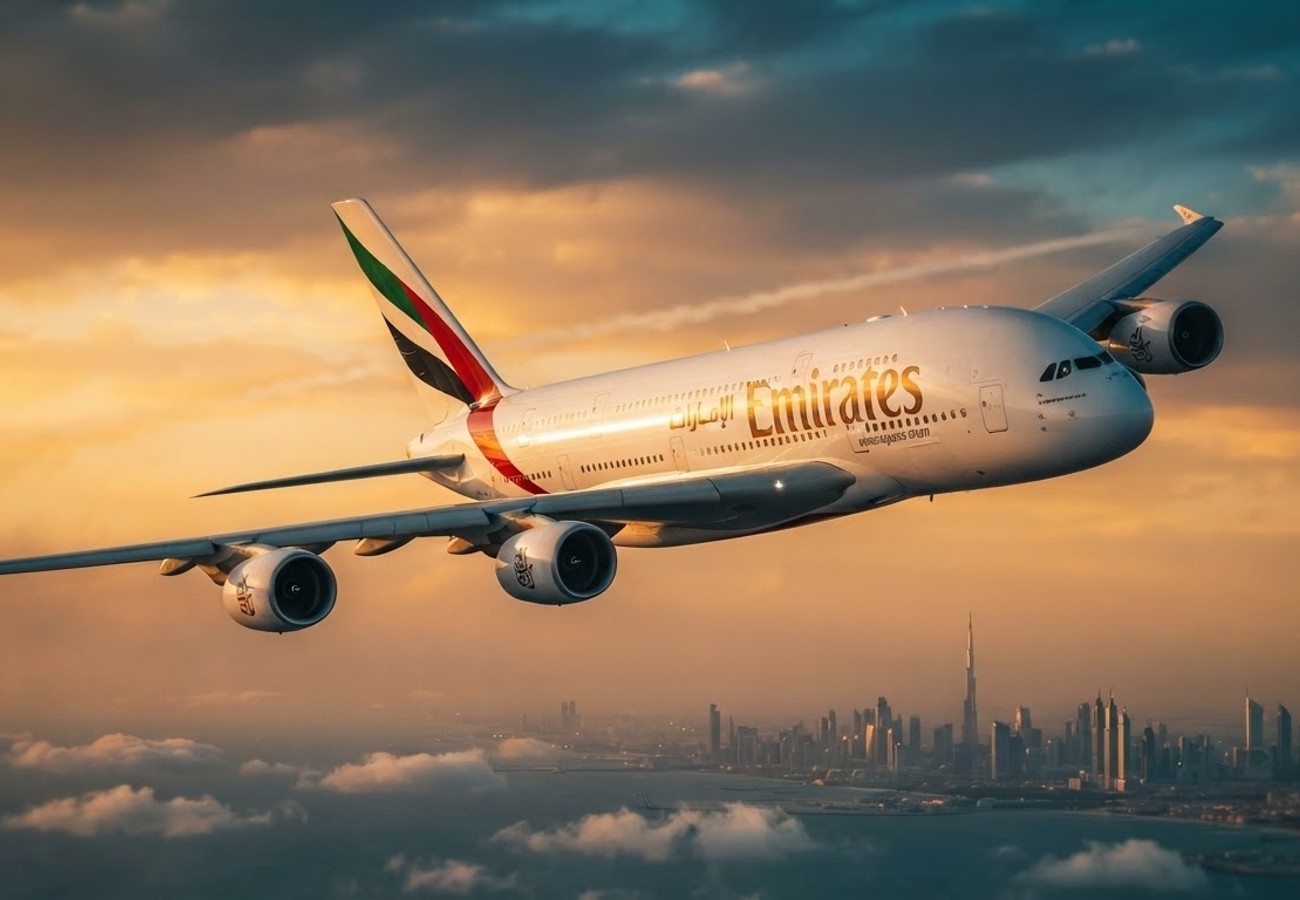
Image generated by AI
Travelers booking transit between the Middle East and Southeast Asia this autumn can enjoy a significant capacity boost, as Emirates replaces its Boeing 777-300ER with a second daily Airbus A380 service to Singapore Changi Airport. Operating from October 1 to October 24, 2026, the temporary upgrade of flights EK354 and EK355 increases seat availability across all classes and restores the airline's premium double-decker experience.
Rebalancing the Skies: The Autumn Return of the Double-Decker Flagship
Commercial aviation requires rapid adaptation to passenger flow, and the latest schedule update from Emirates highlights this dynamic strategy. From October 1 to October 24, 2026, the Dubai-based carrier will reinstate a second daily Airbus A380 service connecting Dubai International Airport with Singapore Changi Airport. This temporary operational adjustment replaces the smaller Boeing 777-300ER with the flagship double-decker on flights EK354 and EK355. Flight EK354 departs Dubai and lands at Changi, while the return leg, EK355, handles the flight from Singapore back to the Middle East.
Historically, this high-traffic route has relied on a combination of both aircraft models to balance daily frequencies. However, the temporary upgrade for this three-week autumn window reflects the airline's ongoing effort to align capacity with a surge in passenger demand. As a primary axis connecting Europe and the Middle East to Southeast Asia and Australia, the Dubai-Singapore corridor experiences heavy seasonal bookings. By deploying the larger Airbus A380, the airline ensures optimal passenger capacity while maintaining seamless network connectivity. After this brief period, the flight schedule is set to return to its previous patterns on October 25, 2026, with the Boeing 777-300ER resuming its daily rotation on the frequency. Travelers are advised to monitor flight details through official booking platforms, as schedules remain subject to operational changes.
Accessing the Premium Double-Decker Experience: What Travelers Gain
For passengers booking travel during this October window, the aircraft upgrade brings immediate comfort and product enhancements. The transition from the Boeing 777-300ER to the Airbus A380 represents a significant increase in seat availability, which is particularly beneficial for high-yield business travelers and leisure tourists seeking premium experiences. The sheer scale of the double-decker jet allows Emirates to offer its full suite of flagship amenities, which are highly regarded in long-haul aviation.
Premium ticket holders gain access to some of the most famous cabins in the sky. First Class passengers can book private suites featuring sliding doors, personal mini-bars, and access to the onboard Shower Spa to refresh during the flight. Business Class travelers enjoy fully flat-bed seats, direct aisle access, and the popular Onboard Lounge, a social hub where premium flyers can relax, enjoy beverages, and converse with fellow travelers. Additionally, on retrofitted versions of the double-decker, passengers can experience the Premium Economy cabin, which offers wider leather seats, adjustable leg rests, and a dedicated dining service featuring regional specialties.
Even for those traveling in the Economy cabin, the upgrade provides a more spacious and quiet environment. The cabin design of the double-decker is famously quiet, reducing travel fatigue on the eight-hour journey. Each seat features the airline's advanced in-flight entertainment system, offering thousands of channels of on-demand movies, international television, music, and games on personal screens, ensuring a highly comfortable journey.
Eco-Conscious Passenger Consolidation and Supporting Local Culinary Heritage
Beyond passenger comfort, the temporary deployment of the Airbus A380 on high-density routes carries important environmental and local community benefits. By consolidating high passenger volumes onto a single large aircraft rather than operating multiple flights with smaller jets, airlines can maximize slot efficiency at congested hub airports like Changi and Dubai. This consolidation helps reduce airspace congestion and lowers the overall fuel burn and emissions per passenger-kilometer, aligning travel demands with eco-conscious operational goals.
For the visitor, the real impact of these travel trends lies in the opportunity to directly support local communities and cultural preservation. Changi Airport Group has actively integrated green building design into its terminals, utilizing natural light, indoor gardens, and advanced water recycling systems. Once in Singapore, travelers are encouraged by the Singapore Tourism Board to engage in sustainable tourism practices that protect local livelihoods.
A primary example of this is supporting Singapore’s historic hawker centers. These open-air dining hubs represent the heart of the city's food culture and were inscribed on the UNESCO Representative List of the Intangible Cultural Heritage of Humanity. By dining at these centers, travelers directly support multi-generational family businesses and preserve local culinary traditions. Choosing local ingredients and independent vendors keeps tourism revenue within the host country, providing direct economic benefits to the resident community.
Insider Travel Guide: Hawker Etiquette, Off-Peak Windows, and Airport Gems
To ensure a smooth and culturally rich trip, destination specialists recommend a few local insights for navigating Singapore and its world-class airport:
- The October Travel Window: October is a highly recommended off-peak window to visit Singapore. You will experience pleasant weather before the wetter northeast monsoon season begins in November, and you can explore the city’s attractions with fewer crowds compared to the summer and year-end holiday peaks.
- Hawker Center Etiquette: When visiting local culinary landmarks like Maxwell Food Centre or Old Airport Road Food Centre, embrace the local custom of "choping"—using a packet of tissues or a small personal item to reserve a seat at a table while you queue for food. Also, be aware that returning your tray and dirty crockery to designated return stations is legally mandated in Singapore, with fines enforced for littering or failing to clear your table.
- Changi Transit Dining: If you are transiting through Changi Airport, you can still experience authentic local cuisine without leaving the terminals. Visit the 1960s-themed Singapore Food Street on Level 3 of Terminal 3 for Hainanese chicken rice, char kway teow, and laksa prepared by local culinary vendors. Alternatively, Terminal 2 features the Straits Food Village, which offers classic Southeast Asian street food in a beautiful, modern garden setting.
- The Changi Beach Escape: For a quiet under-the-radar spot near the airport, take a short taxi ride to Changi Beach Park. As one of Singapore’s oldest coastal parks, it offers a peaceful stretch of white sand, bicycle rental paths, and excellent plane-spotting views away from the busy transit terminals. You can also sample fresh seafood at the adjacent Changi Village Hawker Centre.
- Smooth Boarding Gates: Changi Airport's Terminals 1 and 3 are fully optimized for double-decker aircraft, using dual-level passenger boarding bridges that make boarding and disembarking the Airbus A380 exceptionally fast.
Dynamic Capacity Allocation: The Future of Global Aviation Planning
The temporary schedule adjustment on flights EK354 and EK355 highlights a broader shift in the global aviation industry toward highly flexible fleet management. Rather than keeping aircraft on fixed, year-round schedules, modern carriers analyze real-time booking trends and seasonal data to redeploy their fleets dynamically. This allows airlines to maximize revenue during peak travel windows while optimizing fuel and crew resources.
In the long term, this flexible scheduling helps major transit hubs like Singapore Changi and Dubai International maintain their competitive edge. By using the Airbus A380 during high-demand periods and returning to the Boeing 777-300ER when demand stabilizes, carriers protect their operational margins and ensure that passengers have access to premium cabin options when they need them most. As global travel patterns continue to evolve, this combination of heavy-capacity flagship jets and agile scheduling will remain essential for connecting major travel corridors across the globe.
Related Travel Guides
Disclaimer
This article is for informational and educational purposes only. It does not constitute legal, financial, or professional advice. While we strive to provide accurate and up-to-date information, travel policies, regulations, and conditions change rapidly. Always verify information with official sources before making travel decisions. Nomad Lawyer makes no representations about the accuracy, reliability, completeness, or suitability of the information provided. Readers should consult qualified professionals for advice specific to their circumstances. The views expressed in this article are those of the author and do not necessarily reflect the views of Nomad Lawyer.
Raushan Kumar
Founder & Lead Developer
Full-stack developer with 11+ years of experience and a passionate traveller. Raushan built Nomad Lawyer from the ground up with a vision to create the best travel and law experience on the web.
Learn more about our team →