
Emirates and Dubai Airport Partner to Transform Stopover Tourism
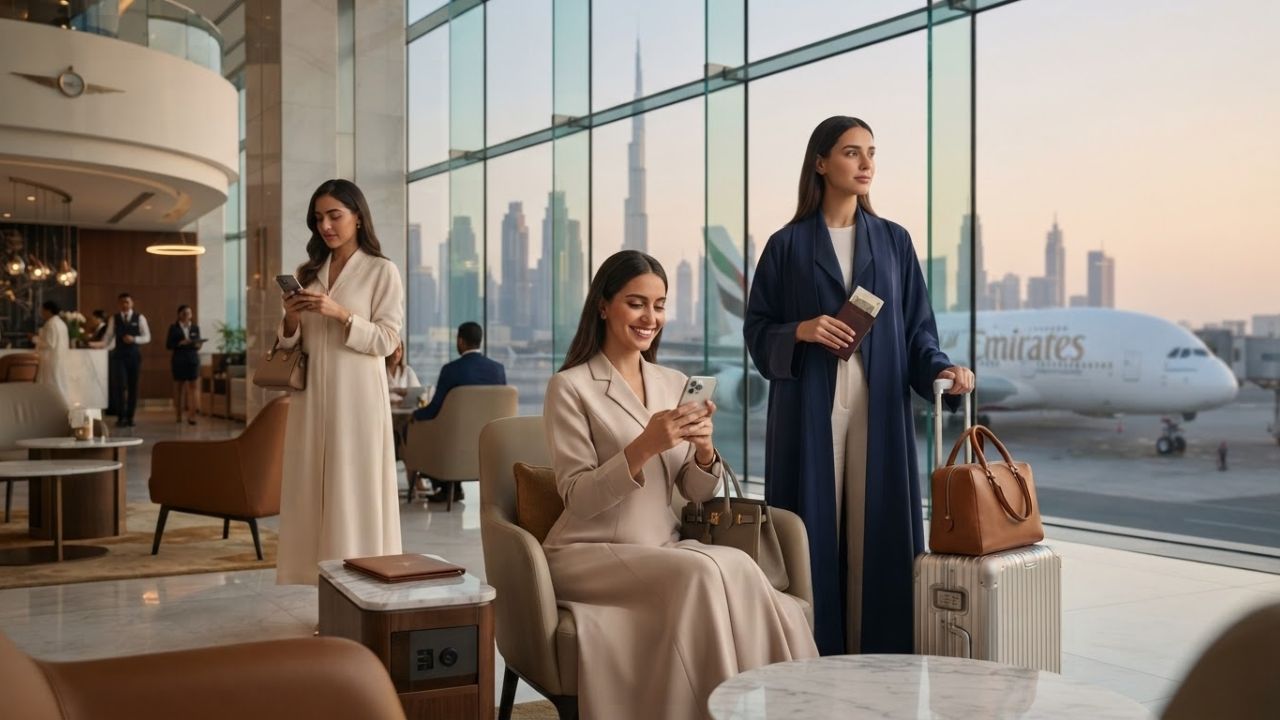
Image generated by AI
Emirates and Dubai International Airport (DXB) have unified their loyalty, luxury, and booking systems to capture global travelers, driving a massive wave of stopover tourism. By offering contactless biometric corridors, unlimited free date changes for Dubai-bound tickets, and integrated rewards, this aviation partnership is successfully converting transiting passengers into multi-day vacationers.
This joint effort strengthens the city's position as a premier global tourist destination. Through an expansive global network connecting six continents, superior loyalty strategies, and efficient transit structures, the airline and airport have created an aviation system that attracts millions of visitors to explore Dubai as their final destination.
The Local Trend: Converting Transit Corridors into Tourism Destinations
For decades, Dubai International Airport operated primarily as a transfer station—a place where passengers changed planes between Europe, Asia, and the Americas. Today, the Dubai Department of Economy and Tourism (DET) is leading a major effort to change this behavior, turning the airport into a launching pad for local exploration. Rather than spending three hours in a lounge, travelers are actively encouraged to build a multi-day stopover into their journey.
Emirates and DXB support this transition by offering integrated packages, simplified booking processes, and city tours that align with flight arrivals. Because Emirates serves major hubs across North America, Europe, Africa, Asia, Australia, and the Middle East, a substantial percentage of global travelers pass through the city's airspace.
Strategic passenger markets such as the United Kingdom, India, China, and Japan are driving this trend. Due to expanding travel demand, strong economic relationships, and rising leisure tourism, transiting travelers are choosing to exit the airport and spend several days exploring local cultural quarters, desert conservation areas, and culinary hubs before continuing their long-haul flights.
Loyalty Strategies and the Digital Journey at Terminal 3
A major factor behind this success is the Emirates Skywards loyalty program. By offering rewards that extend beyond flight upgrades, Skywards encourages passengers to repeatedly select the Dubai route. Members can earn and redeem miles through retail partners, hotel stays, and local excursions, making the city a central hub for their personal travel ecosystem. Recent updates to the program, including easier paths to higher membership tiers and enhanced benefits, provide value for business travelers, families, and luxury vacationers.
To make the stopover process seamless, DXB Terminal 3 utilizes advanced biometric technology to reduce passenger processing times. Travelers can register their biometrics on the Emirates app by uploading a selfie, enabling them to use facial recognition at immigration, lounges, and boarding gates.
This contactless system includes AI-powered biometric corridors that allow pre-cleared passengers to pass through immigration checks without pausing or presenting physical documents. The airport also offers a digital pre-check platform where visitors can scan their passports online to verify their eligibility for the smart gates before arriving at the terminal, ensuring an efficient journey through the facility.
Flexible Bookings and Reduced Travel Uncertainty
To increase traveler confidence, Emirates has implemented customer-friendly ticketing policies that reduce the financial risk of planning trips far in advance. The airline offers booking flexibility for Dubai-bound tickets, including unlimited free date changes for eligible fares, reduced fees for cancellations, and a 24-hour fare price lock option.
These policies help travelers manage unexpected schedule changes without facing heavy financial penalties. By lowering the cost barrier of changing travel dates, the airline encourages passengers to book their journeys months ahead, securing arrival numbers and supporting local hotels and tour operators. This flexible approach minimizes the impact of travel disruptions, allowing visitors to adjust their itineraries as needed.
Consistent premium services also play a role in attracting high-value travelers. Emirates provides spacious seating, onboard dining, and flight attendants trained in international hospitality standards. DXB complements this service by offering premium lounges, duty-free retail zones, and luxury concierge services in Terminal 3, ensuring a smooth transit experience from departure to arrival.
Eco-Conscious Aviation and Airport Infrastructure
The growth of local tourism is supported by a commitment to sustainability from both the airline and the airport authorities. Emirates is working toward net-zero carbon emissions by 2050, focusing on fleet modernization with fuel-efficient aircraft and investing in research into Sustainable Aviation Fuels (SAF). The airline was recently recognized with the UAE’s Platinum Impact Seal for its corporate social responsibility programs, emphasizing its focus on environmental protection and community initiatives.
Similarly, Dubai Airports has implemented energy-saving initiatives across all terminals, including the installation of solar power arrays and the reduction of single-use plastics. By choosing more efficient flight routes and adopting eco-friendly airport practices, the partnership aims to minimize the environmental footprint of long-haul travel, appealing to visitors who prioritize sustainable tourism.
These practices also benefit the local community. The aviation sector supports employment in ground handling, hospitality, logistics, and retail, creating career opportunities for residents. Through structured training and local hiring programs, the industry ensures that the economic benefits of tourism development are distributed throughout the region.
Traditional Dining: Exploring Deira and Al Fahidi
To experience the authentic culinary culture of the city during a stopover, visitors can head to the historic neighborhoods of Deira and Al Fahidi. These older quarters offer traditional dishes that reflect the region's culinary heritage.
- Harees: A slow-cooked porridge made from cracked wheat and tender meat, cooked until smooth and served warm with a drizzle of local ghee.
- Machboos: A spiced rice dish prepared with meat, chicken, or fish, seasoned with dry lime, cardamom, cloves, and saffron for a fragrant aroma.
- Thareed: A hearty stew made with root vegetables and slow-cooked meat, poured over thin pieces of traditional flatbread that absorb the savory broth.
- Regag: A thin, crispy local crepe cooked on a hot griddle, often topped with cream cheese, egg, and spiced date syrup for a quick breakfast.
- Luqaimat: Sweet, golden dough balls that are fried until crispy on the outside, soft on the inside, and finished with a drizzle of date honey and sesame seeds.
- Karak Chai: A strong, spiced black tea brewed with milk, cardamom, ginger, and sugar, served at small tea stalls throughout Deira's historic souks.
Visitor Insider Tips: Navigating a Dubai Stopover
For travelers planning a stopover, these local tips will help ensure a smooth and enjoyable visit:
- Optimal Travel Window: The best time to visit is during the cooler months from November to March, when outdoor temperatures range from 20°C to 30°C. The summer months from June to August see temperatures rise above 40°C; during this off-peak period, luxury hotels offer discounts, though outdoor activities are best scheduled for early morning or late evening.
- Immigration Technology: Before landing, check your eligibility for smart gates on the digital pre-check platform. Remove hats, sunglasses, and face coverings when approaching the biometric cameras to avoid processing delays.
- Cultural Guidelines: Respect local customs by dressing modestly in public places such as shopping malls, traditional souks, and historic districts. Ensure shoulders and knees are covered, use your right hand when greeting locals or eating, and ask for permission before taking photos of people.
- Transit and Currency: Use the Dubai Metro for an affordable and fast connection between the airport and major city sights. Carry a small amount of UAE Dirhams (AED) for purchases at local spice souks and traditional abra wooden water taxis, which cost AED 1 per ride across the Dubai Creek.
Outlook: The Future of the Emirates-DXB Ecosystem
The collaboration between Emirates and Dubai International Airport provides a model for how an airline and an airport can work together to support a city's tourism goals. As global passenger volumes continue to grow, the partnership is focusing on expanding airport infrastructure and integrating digital travel solutions to handle more visitors.
Future development plans include upgrading terminal facilities, expanding the biometric network, and increasing the supply of sustainable aviation fuel. By combining digital convenience, flexible ticketing, and regional tourism marketing, the partnership is set to remain a major force in global aviation, welcoming millions of travelers and reinforcing the city's position as a connected travel hub.
Related Travel Guides
- Closed Reefs Cost Money: San Andrés Island's Conservation Revenue Model
- Israel Border Lockdown Triggers African Travel Chaos: Ebola Outbreak Sparks Severe Airport Disruptions and Flight Cancellations
- Kimberley's Gwion Gwion Rock Art Sparks Global Heritage Tourism Boom Across Western Australia in 2026
Disclaimer
This article is for informational and educational purposes only. It does not constitute legal, financial, or professional advice. While we strive to provide accurate and up-to-date information, travel policies, regulations, and conditions change rapidly. Always verify information with official sources before making travel decisions. Nomad Lawyer makes no representations about the accuracy, reliability, completeness, or suitability of the information provided. Readers should consult qualified professionals for advice specific to their circumstances. The views expressed in this article are those of the author and do not necessarily reflect the views of Nomad Lawyer.