El Salvador Tourism Unveils a Sixth Sense as Coast, Coffee, Cuisine and Community Deepen the Traveller Experience

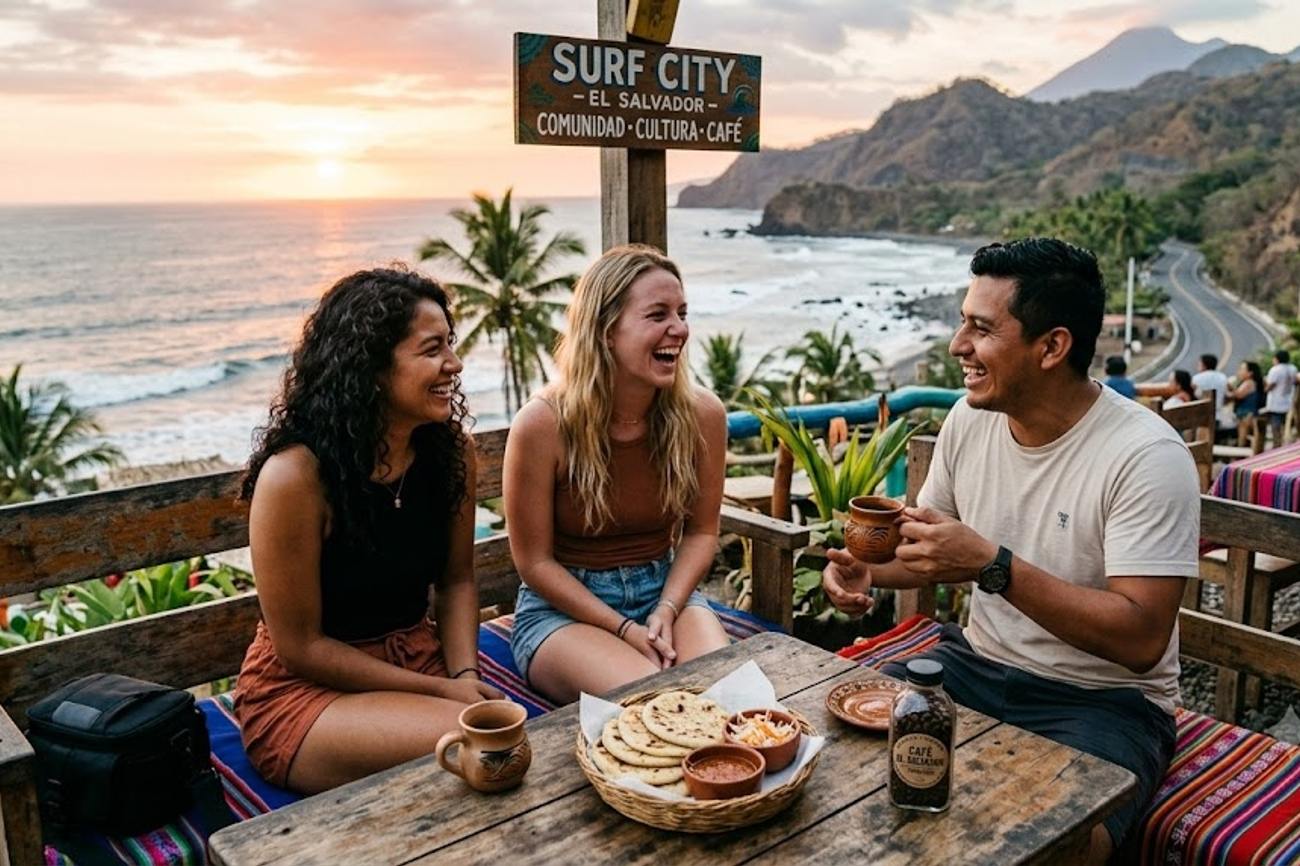
Image generated by AI
El Salvador is using World Tourism Day 2026 to present tourism through an unusually intimate lens. Its latest campaign invites travellers to experience the country through five senses, linking coastlines, markets, food and communities. The concept arrives as El Salvador tourism enters a period of strong international expansion. The country recorded 3.9 million international visitors in 2024, up 17% from 2023. It then welcomed 2 million international visitors during the first half of 2025. Public tourism sites recorded another 5 million visits during that six-month period. These figures show why the sensory proposition matters now. El Salvador is no longer selling one attraction, but a connected portfolio of experiences.
The country’s selection as World Tourism Day 2026 host adds global visibility to that shift. UN Tourism has designated “Digital Agenda and Artificial Intelligence to redesign tourism” as the 2026 theme. Yet El Salvador’s five-senses storytelling offers a useful human counterpoint to the technology discussion. Behind digital discovery sits a physical journey involving waves, coffee, cooking, craftsmanship, landscapes and personal encounters.
Five Senses Turn A Country Into Experience
The most interesting feature of this approach is its refusal to treat a destination as a collection of landmarks. Instead, El Salvador can be read as a sequence of sensory encounters that connect tourism with agriculture, culture, recreation and local enterprise.
The visual landscape begins with the Pacific coast and its surf communities. It then moves inland towards volcanoes, coffee farms, mountain towns and historic urban spaces. The journey can change dramatically within a relatively compact geography, allowing travellers to combine coastal and highland experiences without building an itinerary around long intercity transfers.
The soundscape is equally important. Waves, market activity, street life, food preparation, conversation and community events create an experience that cannot be replicated through photographs alone. This matters because cultural tourism increasingly depends on participation rather than passive sightseeing.
The sense of taste introduces another layer. Pupusas, yuca, seafood, coffee and traditional sweets connect visitors with agricultural production and culinary heritage. Food therefore becomes more than an amenity for tourists. It becomes a route into the country’s communities and small-business economy.
Smell completes an unusually powerful travel vocabulary. Fresh coffee, wood-fired cooking, sea air, tropical vegetation and market produce create sensory memories that often survive longer than individual sightseeing stops. The final sense, touch, arrives through surfing, walking, crafts, food preparation and interaction with landscapes.
Sense Traveller Encounter Strong El Salvador Examples Wider Tourism Value Sight Landscapes and architecture Pacific coast, volcanoes, historic centres Destination discovery
El Salvador's tourism industry is experiencing a surge in growth, with a focus on showcasing its unique cultural heritage and natural beauty. According to the Ministry of Tourism of El Salvador, the country is investing heavily in infrastructure development, including the expansion of the Monseñor Óscar Arnulfo Romero International Airport. This will enable more efficient passenger logistics and enhance the overall traveller experience. Sound Community and coastal life Markets, surf, festivals Cultural immersion Taste Food and drink Pupusas, seafood, yuca, coffee Culinary spending Smell Agriculture and cuisine Coffee farms, markets, coastal air Place memory Touch Participation Surfing, crafts, hiking, food experiences Experiential travel The Coast Supplies The Adrenaline
The Pacific coastline remains one of the country’s most recognisable tourism assets. Surf City has placed destinations such as El Tunco, El Zonte, La Libertad and Las Flores within a broader international surf narrative.
El Tunco illustrates how one beach community can activate several senses simultaneously. The official tourism platform describes a destination where surf culture, accommodation, food, cafés, transport services, crafts and nightlife operate within the same compact visitor environment.
Its signature surf experience is also unusually physical. The La Bocana break can produce powerful waves, while smaller sections provide more accessible conditions. The result is a destination where the traveller does not simply observe the ocean. The visitor interacts with it.
That distinction has economic implications. Surf tourism creates demand for instructors, equipment rental, accommodation, restaurants, transport and other visitor services. It can therefore distribute expenditure across a wider local ecosystem.
The government’s eastern tourism programme shows that this coastal strategy extends beyond the established western surf corridor. A US$106 million Inter-American Development Bank-backed tourism programme focuses heavily on the east, with infrastructure projects designed to improve access, recreation and community benefits.
The country's coffee region is a major draw for tourists, with its lush landscapes and rich coffee culture. Visitors can explore the scenic coffee plantations and learn about the production process, with many farms offering guided tours and tastings. For more information on planning a trip to El Salvador's coffee region, visitors can check the official El Salvador Tourism Board website, which provides detailed guides and itineraries.
Coffee Country Changes The Tempo
Leave the coast and the sensory rhythm changes sharply. The Ruta de Las Flores moves through the western highlands, where coffee, cooler temperatures, forests, artisan production and small-town culture create a markedly different travel proposition.
The route connects destinations including Ahuachapán, Salcoatitán, Nahuizalco, Concepción de Ataco, Juayúa and Apaneca. Official tourism material positions the corridor around nature, adventure, coffee, gastronomy and colour, making it almost a ready-made five-senses itinerary.
Coffee adds particular depth to this experience. Farms along the route sit at elevations of roughly 1,400 to 1,600 metres, according to the national tourism platform. Some sites also offer birdwatching opportunities involving more than 35 native species.
At coffee estates such as Beneficio El Carmen, visitors can follow coffee from cultivation through processing and tasting. That changes the visitor relationship with a product that many travellers normally encounter only after it reaches a café.
Experience Location Type What Travellers Encounter Sensory Dimension Coffee cultivation Ruta de Las Flores Farms and processing Smell, taste, touch Artisan production Nahuizalco Woven goods and furniture Sight, touch Mountain walks Apaneca and Juayúa Forests, waterfalls and trails Sight, sound Gastronomy Juayúa and Salcoatitán Traditional dishes Taste, smell Historic streets Ahuachapán and Ataco Architecture and murals Sight Markets Preserve The Human Texture
Nahuizalco provides perhaps the clearest example of tourism being shaped by people rather than scenery. Its market, artisan workshops, Indigenous heritage and traditional foods give visitors access to living cultural practices.
The town’s tourism proposition includes handcrafted products made from materials such as wicker and tule. Visitors can also encounter traditional dishes including yuca-based pupusas, yuca with chicharrón and canchules associated with local festivities.
El Salvador's coastline is another major attraction, with its stunning beaches and vibrant surf culture. Travellers can fly into the country with airlines such as Avianca, which offers regular flights from major hubs in Central and South America. Once in the country, visitors can use the Autoridad de Aviación Civil website to plan their domestic travel and get the latest information on flight schedules and airport facilities.
This matters because souvenirs can become more meaningful when travellers understand who made them and why. A market visit can therefore move beyond retail consumption into cultural interpretation.
The same principle applies across the Ruta de Las Flores. Murals, workshops, cafés, historic buildings, food stalls and community spaces create an environment where culture remains part of ordinary daily life.
For travel businesses, this also widens the product mix. A visitor who might previously have booked a beach stay can now add a coffee tour, artisan visit, food experience or cultural excursion.
Food Connects Farms With Visitors
Few senses create a faster emotional connection with a destination than taste. In El Salvador, food provides an especially direct bridge between tourism and local identity.
Pupusas remain the internationally recognisable symbol, but the culinary story is broader. Yuca, seafood, tamales, traditional sweets, coffee and regional preparations reveal different layers of the country’s food culture.
El Tunco demonstrates how traditional dishes coe
FAQ: El Salvador Tourism Unveils a Sixth Sense 2026
What are the must-visit coastal towns? El Tunco, El Zonte, and Playa El Sunzal offer stunning beaches.
How can I experience local coffee culture? Visit coffee plantations in the Ruta de las Flores region.
What are some traditional Salvadoran dishes? Pupusas, tamales, and empanadas are local favorites.
Are there community-based tourism initiatives? Yes, many towns offer homestays and local guide services.
Related Travel Guides
- SITA Leads New Aviation Era As Smart Technology Removes Barriers Across Global Air Travel
- New England Matches the West and Upper Midwest, Alongside Many Autumn Destinations as Fall Foliage 2026 Captivates US Travellers
- Kenya Unlocks A New Digital Nomad Era As Nairobi Rises As Africa Remote Work Capital
This article is for informational purposes. Flight routes, passenger regulations, visa rules, and transit advisories are subject to change by airlines and aviation authorities. Readers are advised to verify schedules and travel documentation with relevant carriers and border agencies before departure.
Related Stories
Nevada Teams Up With Florida And More US Places As New Tourism Initiatives Rise But Strict Entry Rules Continue To Impact Travelers
SITA Leads New Aviation Era as Smart AI, Biometrics, and Data Exchange Remove Barriers Across Global Air Travel