
Mongolia Tourism Boom 2026: Record-Breaking 208,028 Arrivals in First Four Months
Mongolia has recorded an unprecedented 35% surge in international tourism for the first four months of 2026, with the UK, US, and China leading the nomadic adventure boom.

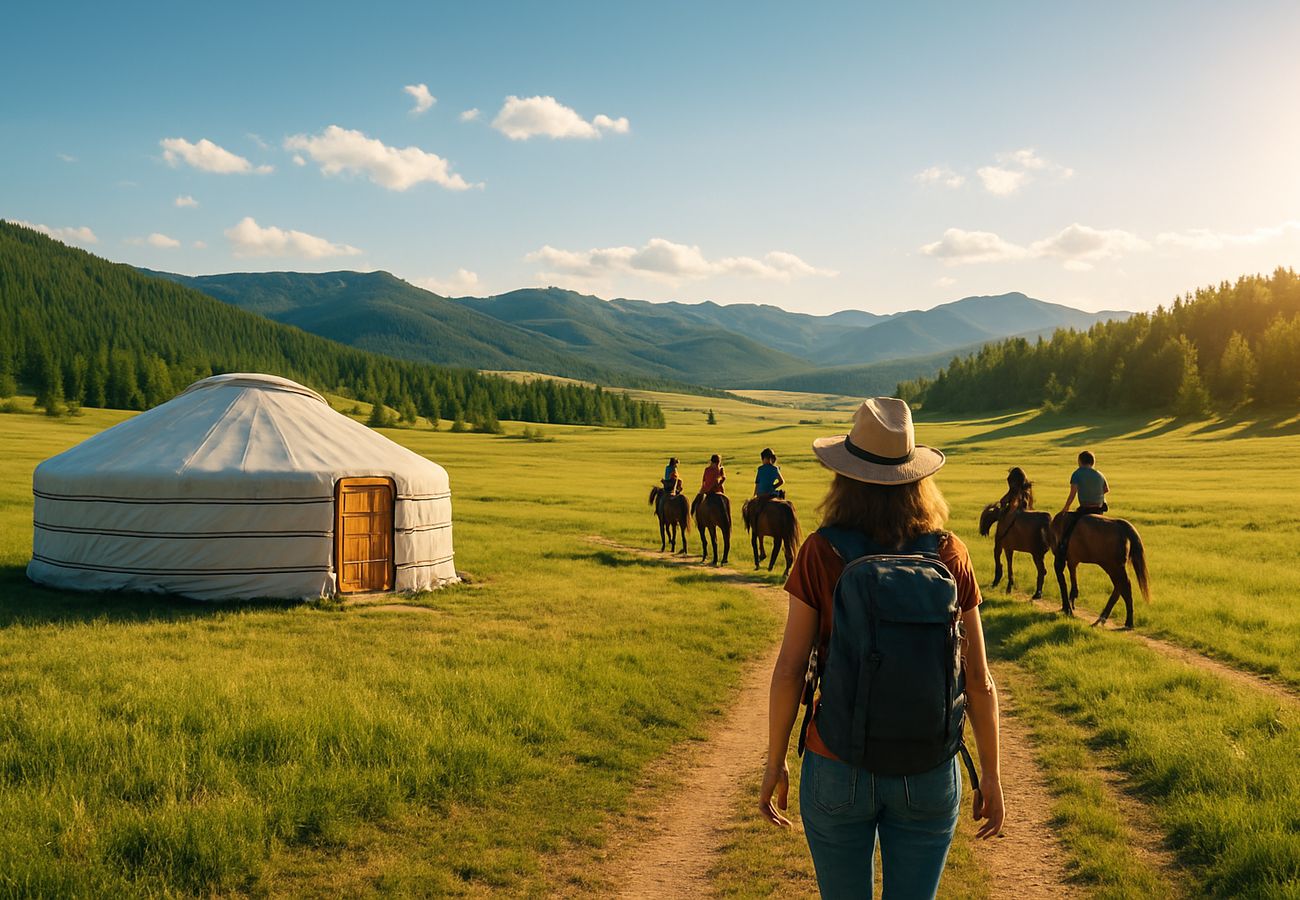
Image generated by AI
Quick Summary
- Record Growth: Mongolia welcomed 208,028 international visitors in the first four months of 2026, a 35% increase year-on-year.
- April Surge: Recorded 64,597 foreign arrivals in April 2026 alone, marking a 26% rise compared to April 2025.
- Leading Markets: China, Russia, and South Korea remain top sources, while the UK, US, and Germany show significant growth in the adventure segment.
- Strategic Focus: The Ministry of Culture, Sport, Tourism, and Youth is prioritizing rural road upgrades and eco-friendly hotel development.
- Key Attractions: The Gobi Desert, the ancient capital of Kharkhorin, and the Naadam Festival are primary drivers for international interest.
- Aviation Links: Increased direct flights from Seoul and other regional hubs have facilitated the influx of South Korean and Japanese travelers.
- Sustainability: Government strategy aligns tourism growth with environmental protection and nomadic heritage preservation.
- Source: MONTSAME News Agency and Ministry of Culture, Sport, Tourism, and Youth official reports as of May 7, 2026.
Mongolia is witnessing an unprecedented surge in international arrivals, with the United Kingdom joining the US, Russia, and China in driving a record-breaking 35% increase in tourism for the first four months of 2026. Released on May 7, 2026, official data from the Ministry of Culture, Sport, Tourism, and Youth reveals that Mongolia welcomed 208,028 international visitors between January and April, marking a landmark recovery for the nomadic nation. In April 2026 alone, the country recorded 64,597 arrivals, as travelers increasingly seek out the rugged wilderness of the Gobi Desert and the cultural immersion of the Naadam Festival. With aggressive infrastructure investments in rural roads and eco-friendly glamping hubs, Mongolia is successfully repositioning itself as a premier global destination for adventure, heritage, and sustainable travel.
Mongolia Tourism Growth 2026: International Arrivals and Market Breakdown (Jan–Apr)
The following table summarizes the growth of Mongolia’s tourism sector and the primary source markets contributing to the 2026 boom.
| Metric / Country | 2026 Performance | Growth vs. 2025 | Primary Interest Segment |
|---|---|---|---|
| Total Visitors (Jan-Apr) | 208,028 Arrivals | +35% | Mixed Adventure & Heritage |
| April Arrivals | 64,597 Arrivals | +26% | Spring Eco-Tourism |
| China | Largest Source | High Volume | Border Trade & Culture |
| Russia | Key Neighbor | Steady Growth | Landscape & Proximity |
| South Korea | Rapid Expansion | Direct Flight Surge | Exchange & Adventure |
| Germany / UK | Growing European Base | Niche/Eco Growth | Trekking & Horseback Riding |
| United States | High-Value Segment | Adventure Enthusiasts | History & Nomadic Living |
| Japan | Significant Inbound | Cultural Exchange | Nomadic Arts & Terrain |
Record-Breaking Inbound: Analyzing Mongolia’s 35% Year-on-Year Growth
The first third of 2026 has outperformed all previous forecasts for the Mongolian travel market:
- Early-Year Resurgence: The 35% jump from 2025 indicates that travelers are increasingly choosing Mongolia outside of the traditional summer peak.
- Economic Impact: The influx of 208,000+ visitors is providing a vital stimulus to the rural economy and the hospitality sector in Ulaanbaatar.
- Post-Pandemic Momentum: Mongolia’s strategy of "Open Skies" and simplified entry requirements is bearing fruit across all major continental markets.
Market Breakdown: The Role of China, Russia, and the UK in Mongolia’s Boom
Mongolia’s appeal is diversifying across both neighboring and long-haul markets:
- China & Russia: Proximity and shared historical ties continue to fuel the bulk of arrivals, particularly in the border-tourism and trade segments.
- The UK Surge: British tourists are increasingly drawn to the vast open spaces for trekking and nomadic horse-riding expeditions.
- South Korean Influence: A significant increase in direct flight capacity has made Mongolia a popular "short-haul adventure" destination for South Korean travelers.
April 2026 Performance: A Spring Surge in Adventure and Eco-Tourism
The month of April serves as a critical transition into the peak travel season:
- Spring Arrivals: The 64,597 visitors in April reflect a growing trend of "shoulder season" travel to avoid the summer crowds.
- Landscape Appeal: Travelers are arriving earlier to witness the spring awakening of the grasslands and the unique climate of the Gobi Desert.
- Event Readiness: April arrivals are often pre-trip scouts for the major cultural festivals like Naadam that begin in the following months.
Infrastructure and Sustainability: Upgrading Rural Roads and Glamping Hubs
The Mongolian government is matching growth with critical physical investments:
- Remote Access: Ramping up projects to upgrade rural roads, ensuring that the Gobi and northern lakes are accessible to high-end tourist vehicles.
- Eco-Friendly Glamping: Promoting the development of luxury ger camps (glamping) that offer modern comforts while minimizing the ecological footprint on pristine environments.
- Service Quality: The Ministry is implementing new training programs for local guides and hospitality staff to meet international standards.
Cultural Diplomacy: Promoting Naadam and Nomadic Heritage Globally
Mongolia’s soft power is a primary driver of its 2026 tourism success:
- Naadam Festival: International marketing campaigns are highlighting the "Three Games of Men" (wrestling, horse racing, and archery) as a must-see cultural event.
- Nomadic Immersion: Encouraging "live-like-a-nomad" packages where travelers can stay with local families and experience traditional dairy processing and herding.
- Kharkhorin Heritage: Positioning the ancient capital as a center for historical tourism and archaeological exploration.
The Shift to Niche Travel: US and Germany Leading the Eco-Tourism Charge
Western markets are increasingly viewing Mongolia through the lens of specialized travel:
- Eco-Exploration: German travelers are prioritizing sustainable itineraries that focus on bird-watching and wildlife conservation in the Altai mountains.
- Adventure Enthusiasts: US travelers are driving demand for rugged, multi-week trekking and off-road expeditions across the Gobi Desert.
- Niche Markets: A rise in "photography tours" and "archaeological workshops" is attracting higher-spending travelers from across Europe and North America.
Future Outlook: Mongolia’s Strategy for a Sustainable Peak Season
As the country moves into the May–September peak, the focus remains on long-term stability:
- Sustainable Growth: Ensuring that the surge in visitors does not compromise the pristine nature of the steppes or the integrity of nomadic traditions.
- Regional Development: Distributing tourist flows more evenly across the country to prevent overcrowding in Ulaanbaatar and the central regions.
- International Profile: Continuing targeted campaigns in the UK and USA to solidify Mongolia's position as a top-tier adventure destination.
Conclusion: Mongolia as a New Frontier in Global Adventure Travel
The May 7, 2026, reports on Mongolia’s 35% tourism growth confirm the nation's emergence as a premier global destination. By capitalizing on its unique nomadic heritage and the untouched beauty of the Gobi Desert, Mongolia has successfully attracted a diverse array of travelers from the UK, China, and the US. The record-breaking 208,028 arrivals in early 2026 are not just a statistical achievement; they reflect a strategic success in infrastructure modernization and sustainable promotion. As Mongolia continues to upgrade its rural connectivity and eco-tourism offerings, it is setting a new global standard for adventure travel that respects both culture and nature. For the international traveler seeking an experience "beyond the typical," Mongolia has firmly established itself as the world’s most compelling nomadic frontier.
FAQ: Mongolia Tourism Boom 2026
How many international tourists visited Mongolia in early 2026? Mongolia welcomed 208,028 international visitors in the first four months of 2026, a 35% increase over the previous year.
Which countries are driving the growth in Mongolia’s tourism? China and Russia remain the largest sources, while significant growth is being seen from the UK, South Korea, Germany, and the United States.
What is the best time to visit Mongolia for cultural events? The peak travel season is from May to September, with the famous Naadam Festival typically taking place in July.
Related Mongolian Travel Reports
Disclaimer
This article is for informational and educational purposes only. It does not constitute legal, financial, or professional advice. While we strive to provide accurate and up-to-date information, travel policies, regulations, and conditions change rapidly. Always verify information with official sources before making travel decisions. Nomad Lawyer makes no representations about the accuracy, reliability, completeness, or suitability of the information provided. Readers should consult qualified professionals for advice specific to their circumstances. The views expressed in this article are those of the author and do not necessarily reflect the views of Nomad Lawyer.
Kunal K Choudhary
Co-Founder & Contributor
A passionate traveller and tech enthusiast. Kunal contributes to the vision and growth of Nomad Lawyer, bringing fresh perspectives and driving the community forward.
Learn more about our team →