
Africa Travel Tourism: Egypt Emerges as Continental Leader Amid Global Shift
Egypt surges as Africa's top tourism destination in 2026, joining Morocco, Mauritius, and Kenya as continental powerhouses. Geopolitical instability redirects millions to African alternatives.

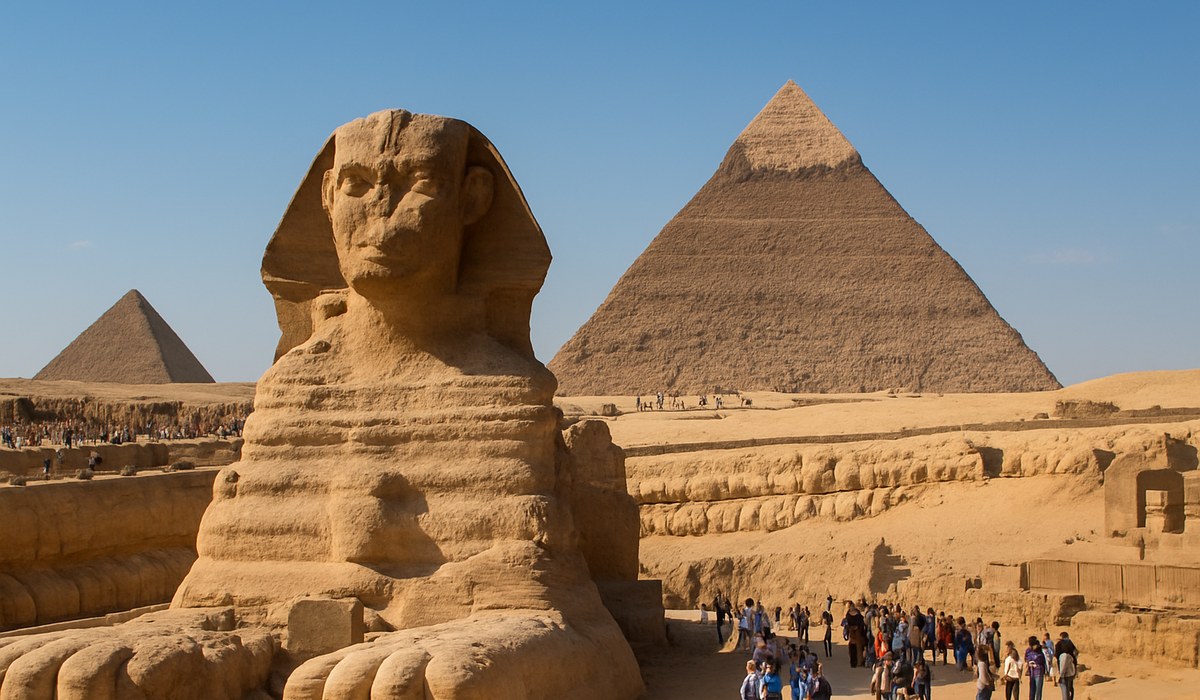
Image generated by AI
**> Quick Summary
- Egypt has emerged as Africa's leading tourism destination, with international arrivals reaching record levels throughout the first quarter of 2026
- Geopolitical tensions and Middle East airspace disruptions are forcing travelers to seek alternatives, benefiting African powerhouses including Morocco, Mauritius, Kenya, and South Africa
- Airlines are expanding routes and capacity to East, West, and Southern African hubs in response to surging demand
- Infrastructure investments in hospitality, transportation, and digital connectivity are enabling the continent to absorb and welcome millions of additional visitors annually**
Egypt Leads Africa's Tourism Renaissance: Why Now?
Egypt has officially claimed its position as Africa's premier travel destination, with official tourism boards reporting visitor arrivals that far exceed projections for the first half of 2026. The ancient nation, home to some of humanity's most iconic archaeological sites, is experiencing unprecedented demand from international travelers seeking alternatives to traditional Mediterranean and Middle Eastern routes.
Cairo, Giza, Luxor, and Aswan are reporting occupancy rates across hotels and tourism facilities that haven't been witnessed in decades. Tour operators are struggling to meet demand, with advance bookings for guided Nile River cruises and pyramid excursions extending well into summer months. According to UNWTO global tourism statistics{target="_blank" rel="noopener noreferrer"}, international arrivals across the African continent jumped 34 percent year-over-year, with Egypt capturing the largest share of these inflows.
What's driving this remarkable rebound? Safety, accessibility, and world-class attractions remain core factors. Yet the timing reveals something more significant: travelers are actively redirecting away from regions experiencing heightened geopolitical tension. Egypt's stability, combined with its unmatched cultural heritage, has positioned the nation as the logical choice for millions reassessing their travel plans.
The Geopolitical Advantage: How Middle East Instability Benefits African Destinations
The relationship between regional instability and African tourism growth is no longer theoretical—it's measurable, documented, and reshaping global travel patterns in real time.
Airspace closures, flight diversions, and heightened security protocols across the Middle East have created cascading effects throughout the aviation industry. Airlines that once routed passengers through hubs in the Persian Gulf or Eastern Mediterranean are now establishing new pathways through African gateways. This infrastructure shift directly benefits Egypt, which sits at the intersection of Africa, the Mediterranean, and Asia.
Travel consultants report a pronounced shift in client preferences. Where Middle Eastern destinations once dominated luxury leisure travel and business tourism, African alternatives—with Egypt leading—are now absorbing that demand. Hotels in Cairo are increasing staff, extending operating hours, and investing in service enhancements to accommodate the surge.
The Middle East airspace disruptions affecting travel corridors have fundamentally altered how international tour operators plan itineraries. Rather than bundling Egypt as a secondary stop on a broader Middle East circuit, travel companies are now positioning Egypt as a standalone primary destination. This repositioning has multiplier effects: longer stays, higher spending, and greater exposure to secondary destinations like the Western Desert and Red Sea resorts.
Government officials in Cairo have publicly acknowledged this opportunity. Tourism Minister statements emphasize that while external circumstances have created favorable conditions, sustained growth depends on maintaining the hospitality standards and security infrastructure that make Egypt competitive against emerging African competitors.
Morocco, Mauritius, Kenya & South Africa: Africa's Competitive Tourism Ecosystem
Egypt's leadership doesn't exist in isolation. Across the continent, a cohesive group of established and emerging tourism powerhouses is collectively capturing record international interest.
Morocco continues to leverage its geographic proximity to Europe and established infrastructure in Marrakech, Fez, and Casablanca. Berber cultural experiences, Atlas Mountain trekking, and the Sahara remain unmatched attractions. Visitor numbers are tracking 12 percent above 2025 levels through March 2026.
Mauritius, positioned as the Indian Ocean's premier island destination, is seeing surge demand from Asian markets and European travelers seeking alternatives to Thailand and traditional Caribbean routes. The island's reputation for safety, pristine beaches, and multicultural sophistication continues attracting high-spending leisure travelers.
Kenya has solidified its position as the go-to East African safari destination. Nairobi's hospitality infrastructure, combined with unforgettable wildlife encounters across the Masai Mara and Amboseli, creates an experience profile no other destination can replicate. Eco-tourism revenues are climbing as conservation-minded travelers seek authentic encounters with African ecosystems.
South Africa, the continent's most developed tourism economy, continues benefiting from its diversified appeal: Cape Town's urban sophistication, wine country experiences, Garden Route natural beauty, and world-class adventure activities. The nation maintains the highest repeat visitor rate among African destinations.
According to National Geographic's Africa travel guides{target="_blank" rel="noopener noreferrer"}, the collective appeal of these destinations rests on authenticity, biodiversity, and cultural integrity—attributes that cannot be replicated or commodified elsewhere.
Infrastructure, Connectivity & Investment Fueling the Boom
Africa's tourism surge isn't merely demand-driven—it's being actively enabled by aggressive infrastructure development and private sector investment.
Airlines are responding to opportunity. Global connectivity expansion driving African tourism is accelerating, with carriers adding daily frequencies between major international hubs and African gateways. Emirates, Turkish Airlines, and Ethiopian Airlines are all increasing capacity on African routes. Local carriers, including Egypt Air and South African Airways, are modernizing fleets and improving service standards to capture premium leisure and business travel.
Hospitality investment is equally dramatic. Major chains including Accor, Hilton, and Marriott are fast-tracking property development across Egypt, Kenya, and Morocco. Travel infrastructure investment across African nations includes boutique hotel development, resort expansion, and renovation of historic properties to meet contemporary luxury standards.
Digital infrastructure is also advancing rapidly. Mobile connectivity, online booking capabilities, and digital payment systems across African destinations have eliminated traditional friction points for international travelers. Cairo's Tahrir Square now boasts world-class WiFi. Luxury lodges in Kenya offer video conferencing capabilities comparable to five-star hotels in London or New York.
These investments aren't speculative. Tourism boards across the region are forecasting sustained growth through the decade, with long-term capacity planning reflecting confidence in sustained demand.
What Travelers Should Know: Planning Your African Adventure in 2026
For the nomadic professional, leisure traveler, or adventure seeker considering African destinations this year, practical logistics matter.
Visa Requirements: Egypt offers on-arrival visas for most nationalities, with e-visa systems simplifying the process. Processing typically takes 24–48 hours. Morocco and Mauritius offer visa-free or visa-on-arrival entry for EU and North American citizens. Kenya and South Africa require advance visa applications; plan 2–3 weeks for processing.
Best Travel Seasons: Egypt's optimal window runs October through April; summer heat (40°C+) is extreme. Kenya's wildlife viewing peaks during dry seasons (June–October and January–February). Morocco's spring (March–May) and autumn (September–October) offer ideal climate conditions. South Africa and Mauritius enjoy temperate conditions year-round, though Mauritius experiences cyclone season November–April.
Currency & Costs: Egypt's Egyptian Pound (EGP) trades at approximately 47–50 to the US dollar (2026
Disclaimer
This article is for informational and educational purposes only. It does not constitute legal, financial, or professional advice. While we strive to provide accurate and up-to-date information, travel policies, regulations, and conditions change rapidly. Always verify information with official sources before making travel decisions. Nomad Lawyer makes no representations about the accuracy, reliability, completeness, or suitability of the information provided. Readers should consult qualified professionals for advice specific to their circumstances. The views expressed in this article are those of the author and do not necessarily reflect the views of Nomad Lawyer.
Raushan Kumar
Founder & Lead Developer
Full-stack developer with 11+ years of experience and a passionate traveller. Raushan built Nomad Lawyer from the ground up with a vision to create the best travel and law experience on the web.
Learn more about our team →