
easyJet Flight Attendant Injured During Turbulence Forces Emergency Return to Glasgow
An easyJet flight attendant was injured when severe turbulence struck Flight EZY439 minutes after takeoff from Glasgow Airport on March 30, 2026, forcing an emergency landing.

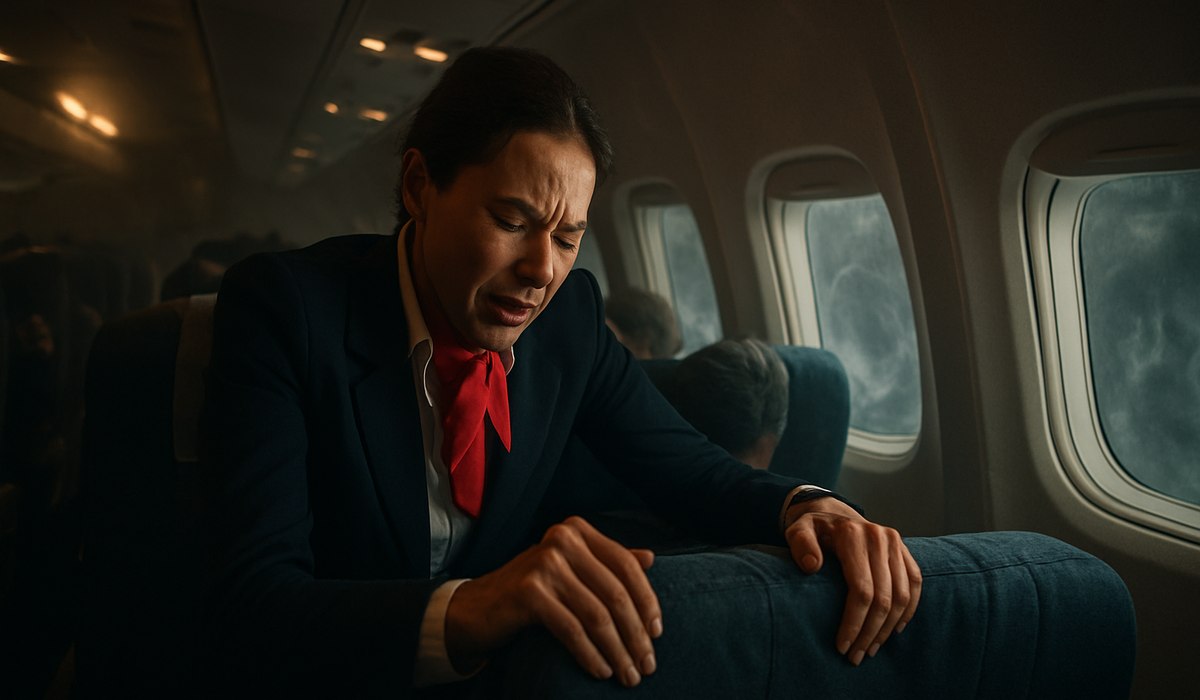
Image generated by AI
An easyJet Flight Attendant Injured During Sudden Turbulence Over Glasgow
An easyJet flight attendant sustained injuries when unexpected turbulence developed shortly after Flight EZY439 departed Glasgow Airport on Sunday, March 30, 2026. The Airbus A319 aircraft, carrying passengers bound for Jersey, experienced severe atmospheric conditions that prompted an immediate diversion. Pilots executed an emergency return to Glasgow Airport within minutes of the incident, prioritizing crew safety and passenger welfare. The affected crew member received medical attention upon landing, while all 150 passengers disembarked safely.
What Happened on Flight EZY439
Flight EZY439 lifted off from Glasgow Airport at approximately 10:15 AM on March 30, 2026. The aircraft had been airborne for fewer than eight minutes when powerful turbulence engulfed the A319. Cabin crew were actively attending to passenger requirements at the time of the weather event. One flight attendant was thrown against overhead compartments and structural elements within the cabin, sustaining injuries to their arm and shoulder.
Cockpit crews detected the turbulence formation through onboard weather radar systems and immediately notified air traffic control. Given the severity of the atmospheric disturbance and the crew injury, pilots made the professional decision to return to Glasgow. The aircraft landed safely at 10:28 AM, just thirteen minutes after departure. Emergency medical personnel met the aircraft at the gate, providing immediate assessment and treatment. The injured crew member was transported to a local medical facility for comprehensive evaluation and imaging studies.
Passenger Safety and Crew Response
easyJet maintained transparent communication with passengers throughout the emergency procedure. Flight attendants secured the cabin, ensured all passengers remained in seats with seatbelts fastened, and provided reassurance during the rapid descent. The airline's crew training protocols, which emphasize rapid response to unexpected atmospheric events, proved effective in managing the incident. No passengers reported significant injuries, though several experienced minor discomfort during the turbulent episode.
The professionalism demonstrated by the flight crew exemplifies industry standards for in-flight emergency management. Pilots coordinated directly with Glasgow Air Traffic Control to secure priority landing clearance and expedited runway access. Ground personnel prepared medical facilities and equipment in anticipation of potential patient care requirements. This coordinated response from all parties involved—flight crew, ground staff, and air traffic controllers—ensured a positive resolution to a potentially serious situation.
easyJet's Turbulence Protocols and Safety Standards
easyJet operates comprehensive safety protocols designed to minimize crew and passenger injury risk during unexpected atmospheric conditions. All aircraft in the airline's fleet, including the Airbus A319, feature advanced weather detection systems that provide pilots with real-time atmospheric analysis. Flight crew receive mandatory training on turbulence recognition, cabin preparation procedures, and emergency decision-making protocols.
The airline's operations team continuously monitors meteorological data before and during flights. When unexpected weather develops, pilots can request altitude changes to circumvent turbulent air layers or, when necessary, redirect aircraft to safer destinations. easyJet has invested significantly in pilot training programs that emphasize decision authority and passenger safety prioritization. The crew response during Flight EZY439 reflected these established safety frameworks and professional operational standards.
International aviation authorities, including the European Union Aviation Safety Agency, maintain strict guidelines governing airline turbulence protocols. easyJet complies with all regulatory requirements and frequently exceeds baseline safety standards through voluntary operational enhancements.
Travel Tips for Managing Turbulence
Turbulence represents one of aviation's most common concerns, yet understanding its nature and mitigation strategies helps travelers feel more confident during flights. Severe turbulence incidents like the one affecting Flight EZY439 remain statistically rare within commercial aviation. Most turbulence causes minor passenger discomfort rather than injury or structural aircraft damage.
Experienced travelers adopt several evidence-based strategies for navigating turbulent flights. First, remain seated with seatbelts fastened whenever the "fasten seatbelt" sign is illuminated. Second, maintain realistic expectations about aircraft structural integrity—modern aircraft, including the Airbus A319, undergo rigorous engineering testing to withstand extreme atmospheric forces. Third, communicate with flight attendants about concerns; crew members possess specialized training and can provide reassurance. Fourth, practice deep breathing or meditation techniques to manage anxiety if turbulence triggers stress responses.
Airlines recommend selecting seats over the wing, where turbulence is felt least intensely due to the aircraft's center of gravity. Booking direct flights when possible reduces cumulative turbulence exposure. Reviewing flight routes through FlightAware allows travelers to understand typical weather patterns for their intended journey.
| Flight Details | Information |
|---|---|
| Flight Number | EZY439 |
| Aircraft Type | Airbus A319 |
| Departure Airport | Glasgow Airport (GLA) |
| Intended Destination | Jersey Airport (JSY) |
| Departure Time | 10:15 AM, March 30, 2026 |
| Emergency Landing Time | 10:28 AM, March 30, 2026 |
| Time Airborne | Approximately 8 minutes |
| Passengers Aboard | 150 |
| Crew Injuries | 1 Flight Attendant (moderate) |
| Passenger Injuries | None Reported |
| Incident Classification | Unexpected Turbulence Event |
What This Means for Travelers
Incidents like Flight EZY439's turbulence event underscore the importance of preparedness and awareness during air travel. While the occurrence highlights aviation's inherent risks, statistics demonstrate that commercial air transport remains extraordinarily safe. The rapid, professional response by easyJet personnel reflects industry-wide commitment to passenger and crew protection.
Travelers should implement these actionable steps:
-
Always maintain seatbelts fastened when seated, even during smooth flight segments, since turbulence can develop with minimal warning.
-
Select seating wisely by choosing seats over the wing or in the forward cabin, where turbulence effects are minimized.
-
Review flight route maps using FlightAware or similar tools to understand typical weather patterns and seasonal considerations for your intended route.
-
Follow cabin crew instructions immediately—flight attendants receive specialized training in emergency procedures and prioritize passenger safety above all other considerations.
-
Understand your passenger rights by reviewing information available through the US Department of Transportation, which provides guidance applicable to flights operated to and from North America.
-
Communicate concerns proactively with flight crew before turbulence occurs; discussing anxiety or medical vulnerabilities helps crew members provide appropriate support during potential incidents.
Frequently Asked Questions
Q: How often do turbulence incidents cause crew member injuries? Turbulence-related crew injuries occur infrequently in commercial aviation. The Federal Aviation Administration reports that unexpected turbulence accounts for a small percentage of aviation incidents. When injuries occur, they typically involve crew members not secured by seatbelts during meal service or cabin preparation activities.
Q: What distinguishes an emergency landing from a standard diversion? Emergency landings indicate situations requiring priority handling and expedited descent procedures, typically involving medical situations, mechanical concerns, or severe weather. Standard diversions occur when aircraft redirect to alternative airports for operational reasons. Flight EZY439's return to Glasgow qualified as an emergency landing due to the crew injury requiring medical attention.
Q: Can passengers claim compensation for turbulence-related incidents? EU Regulation 261/2004 provides compensation frameworks for flight delays and cancellations but typically excludes
Disclaimer
This article is for informational and educational purposes only. It does not constitute legal, financial, or professional advice. While we strive to provide accurate and up-to-date information, travel policies, regulations, and conditions change rapidly. Always verify information with official sources before making travel decisions. Nomad Lawyer makes no representations about the accuracy, reliability, completeness, or suitability of the information provided. Readers should consult qualified professionals for advice specific to their circumstances. The views expressed in this article are those of the author and do not necessarily reflect the views of Nomad Lawyer.
Preeti Gunjan
Contributor & Community Manager
A passionate traveller and community builder. Preeti helps grow the Nomad Lawyer community, fostering engagement and bringing the reader experience to life.
Learn more about our team →