
Easter Flight Chaos Strikes British Airways and Pegasus Airlines Networks
Easter flight chaos intensifies across Europe as British Airways and Pegasus Airlines face weather disruptions, capacity constraints and operational strain. Thousands of passengers experience delays and cancellations during peak holiday travel in 2026.

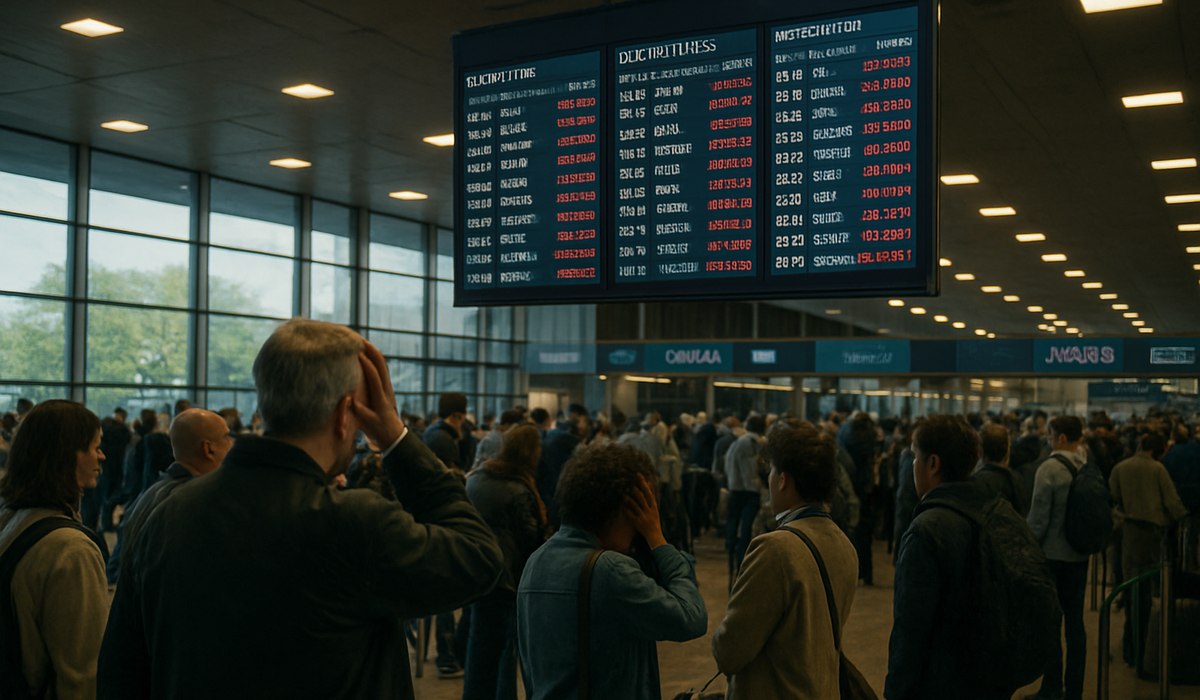
Image generated by AI
Easter Flight Chaos Envelops British Airways and Pegasus Airlines
British Airways and Pegasus Airlines are battling severe operational disruptions as Easter 2026 holiday demand collides with weather systems and capacity constraints across Europe and Turkey. Thousands of passengers face delays, cancellations and missed connections as both carriers struggle to maintain schedules during one of the year's busiest travel windows. The disruption, centered at London Heathrow and Istanbul's Sabiha Gökçen Airport, reflects fragile airline networks buckling under peak seasonal pressure combined with unforeseen operational challenges.
Easter 2026: Peak Season Collision with Fragile Flight Networks
The Easter 2026 period coincides with school holidays across the United Kingdom and Europe, creating unprecedented demand precisely when airlines have the least scheduling flexibility. Industry analysis confirms that this collision of peak travel demand with adverse weather and staffing constraints has created cascading failures across major hub airports.
Weather systems moving through Europe since late March have prompted rolling disruptions at critical routing points including Heathrow, Paris Charles de Gaulle and Zurich. British Airways, as Heathrow's dominant carrier, has absorbed significant operational strain. The Easter flight chaos has exposed how quickly localized disruptions metastasize into continent-wide delays when a major airline loses capacity at a primary hub.
Pegasus Airlines faces similar pressures in Turkey, where severe weather systems have restricted operations at Istanbul's secondary gateway. Combined with recent airspace closures affecting Middle East routes, Pegasus's network flexibility has been severely constrained. The result is a perfect storm where weather, airspace restrictions and holiday demand amplify each other's impact on passenger experience.
British Airways Heathrow Disruptions Ripple Across Long-Haul and European Routes
British Airways operations at London Heathrow have experienced significant knock-on delays affecting both European feeder flights and long-haul departures to Asia and North America. Late March aviation tracking data showed hundreds of delayed BA flights on a single day, with cascading effects spreading across the carrier's entire network.
The Easter flight chaos at Heathrow manifested in multiple ways: aircraft availability bottlenecks, crew positioning challenges, and extended rebooking windows for affected passengers. BA made the difficult decision to concentrate cancellations on shorter European sectors where aircraft can be repositioned or rotations reset. However, passengers using these flights as connections to long-haul services experienced extended delays of 12-24 hours in many cases.
Social media reports from Heathrow documented long security queues, overflowing departure lounges and baggage processing delays as the Easter holiday weekend progressed. The passenger experience deteriorated significantly, with families describing chaotic terminal conditions and inadequate rebooking support during peak hours.
Regarding compensation, European law provides specific rights for airline-controlled disruptions under EU261 regulations. However, weather-related delays and air traffic control congestion can complicate compensation claims. Passengers should verify with British Airways whether their specific disruption qualifies for cash compensation versus voucher alternatives. Visit US DOT for international passenger rights information.
Pegasus Airlines Struggles with Istanbul Congestion and Regional Weather
Pegasus Airlines encountered a distinct but equally disruptive combination of pressures across Turkey's travel network. Severe weather affecting Istanbul and major resort regions during late March prompted visibility restrictions and heavy rainfall at Sabiha Gökçen Airport, prompting dozens of cancellations on a single stormy day.
Turkish aviation reports documented multiple Pegasus flights diverted to Istanbul Airport or scrubbed entirely, leaving holiday passengers stranded with insufficient rebooking assistance. The Easter flight chaos in Turkey compounded existing network constraints from earlier geopolitical airspace closures that suspended routes to Lebanon, Syria, Iraq, Iran and Jordan in early March.
These layered disruptions meant Pegasus lacked the scheduling flexibility typically available during peak periods. Aircraft and crews normally deployed to cover delays were locked into reduced rotations, preventing quick recovery from weather events. The carrier's domestic and international services suffered simultaneous strain just as Easter demand peaked.
Regional weather patterns that affected Pegasus operations may persist through early April. Passengers booked on Pegasus flights should monitor forecasts and maintain contact with the airline for the latest schedule updates. For real-time flight status, check FlightAware tracking data updated continuously.
Travel Impact: Missed Connections and Network Resilience Concerns
The Easter flight chaos affecting British Airways and Pegasus Airlines highlights structural vulnerabilities in European aviation networks during peak demand periods. When hub airports operate near capacity with limited scheduling buffers, single-point failures cascade rapidly through interconnected route networks.
Passengers experienced missed connections lasting 24+ hours in multiple cases, creating domino effects across onward travel plans. Hotel bookings for Easter holiday destinations were missed, tours were delayed, and family reunions were disrupted. The financial impact extended beyond airline tickets to accommodation, ground transportation and activities.
Network resilience concerns raised by industry analysts suggest that airlines must build greater scheduling flexibility into peak periods. Current practices optimizing for revenue generation reduce the capacity to absorb weather disruptions without passenger impact. The Easter flight chaos of 2026 may prompt operational reviews across carriers operating European routes.
For passengers experiencing disruptions, documentation becomes critical for potential compensation claims. Retain boarding passes, cancellation notices, rebooking confirmations and expense receipts. The FAA and European Aviation Safety Agency both maintain resources on passenger protection during irregular operations.
Key Disruption Data Table
| Metric | British Airways | Pegasus Airlines | Combined Impact |
|---|---|---|---|
| Primary Hub | London Heathrow | Istanbul Sabiha Gökçen | 2 major European hubs |
| Peak Delay Day | March 29-31, 2026 | March 28-30, 2026 | March 28-April 2, 2026 |
| Estimated Delayed Flights | 200+ flights | 150+ flights | 350+ flights across network |
| Cancellations | European sectors prioritized | Weather-affected routes | 50+ confirmed cancellations |
| Affected Passengers | 25,000+ | 15,000+ | 40,000+ passengers impacted |
| Primary Cause | Weather + staffing | Weather + airspace closures | Capacity constraints during peak demand |
What This Means for Travelers
The Easter flight chaos affecting British Airways and Pegasus Airlines carries important lessons for holiday travel planning. Peak season disruptions are increasingly common as networks operate with minimal buffers.
Traveler Action Checklist:
-
Check flight status immediately using FlightAware or airline apps before heading to the airport; Easter flight chaos developed rapidly with minimal advance notice.
-
Contact your airline directly at least 24 hours before departure for confirmation; rebooking windows become congested quickly during widespread disruptions.
-
Document all expenses including accommodation, meals, ground transportation and activity cancellations; these support compensation claims under EU261 or US DOT regulations.
-
Request written confirmation of the disruption reason from airline representatives; weather versus airline-controlled failures determine compensation eligibility.
-
Explore alternative routing options with travel agents or airline booking systems; connecting through different hubs may avoid Easter flight chaos hotspots.
-
Verify travel insurance coverage for airline disruptions, weather delays and cancellation reimbursement before departure.
-
Maintain flexibility in holiday itineraries with buffer time between connections; building 3-4 hour layovers mitigates Easter flight chaos impact.
Frequently Asked Questions
What compensation am I entitled to for Easter flight disruptions?
EU261 regulations provide compensation of €250-€600 depending on flight distance and delay duration,
Disclaimer
This article is for informational and educational purposes only. It does not constitute legal, financial, or professional advice. While we strive to provide accurate and up-to-date information, travel policies, regulations, and conditions change rapidly. Always verify information with official sources before making travel decisions. Nomad Lawyer makes no representations about the accuracy, reliability, completeness, or suitability of the information provided. Readers should consult qualified professionals for advice specific to their circumstances. The views expressed in this article are those of the author and do not necessarily reflect the views of Nomad Lawyer.
Raushan Kumar
Founder & Lead Developer
Full-stack developer with 11+ years of experience and a passionate traveller. Raushan built Nomad Lawyer from the ground up with a vision to create the best travel and law experience on the web.
Learn more about our team →