
Easter Travel Chaos: BA and Pegasus Cancel 25 Flights Across Europe
Easter travel chaos strikes Europe and the Middle East as British Airways and Pegasus Airlines cancel 25 flights and delay 134 services in 2026. Hundreds of travelers stranded at major hubs including Heathrow and Istanbul.

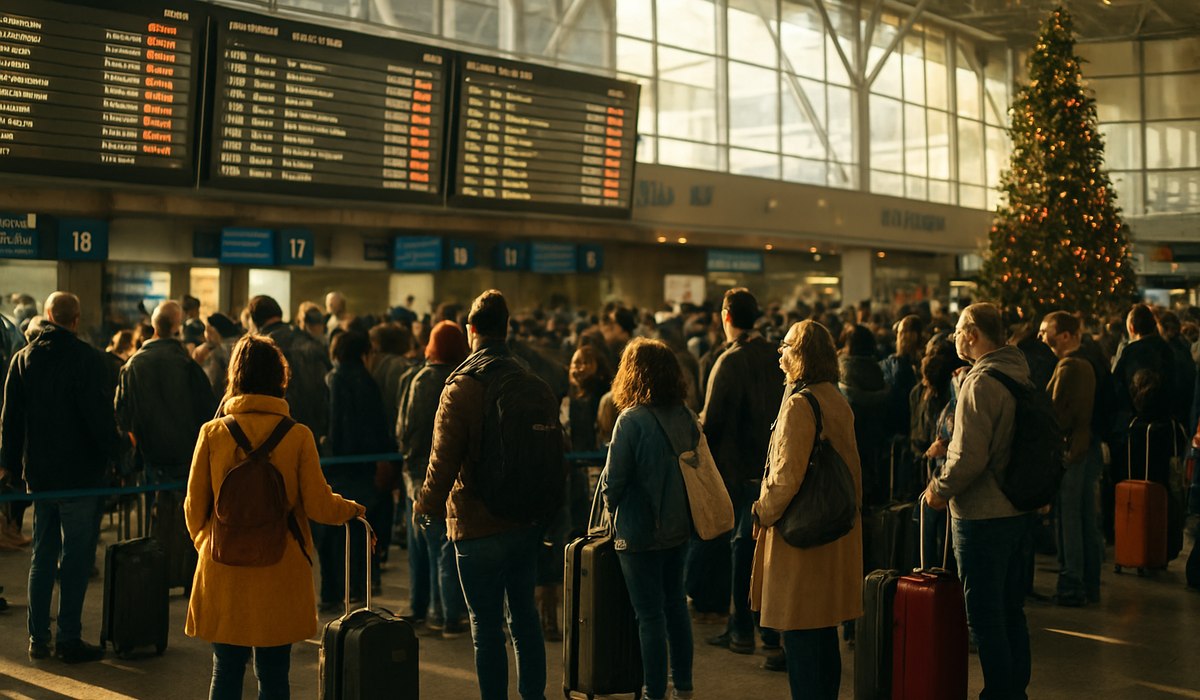
Image generated by AI
Easter Travel Chaos Disrupts Hundreds Across European and Gulf Routes
British Airways and Pegasus Airlines have sparked unprecedented Easter travel chaos by canceling 25 flights and delaying 134 additional services across major European and Middle Eastern hubs. The disruptions, concentrated during peak Easter weekend travel, have left hundreds of passengers stranded at Heathrow, Istanbul Sabiha Gökçen, Vienna International Airport, and key UAE gateways including Dubai and Abu Dhabi. The timing coincides with peak holiday travel when families, migrant workers, and leisure travelers converge on the same congested routes, amplifying the cascading impact of each cancellation and delay across interconnected flight networks.
Easter Travel Chaos: 25 Cancellations Hit Major Hubs
The Easter travel chaos emerged from a combination of operational pressures and capacity constraints at Europe's most congested airports. Heathrow, already operating near maximum capacity during holiday peaks, faced acute challenges repositioning aircraft and managing crew rotations when multiple cancellations occurred simultaneously. Pegasus Airlines, which operates Istanbul Sabiha Gökçen as a critical low-cost hub connecting Europe to Asia and the Middle East, reported multiple flight rotations scrubbed entirely.
Industry analysts note that capacity at many European hubs is tightly balanced during holiday periods, meaning even a modest number of cancellations can trigger widespread network disruptions. At Heathrow, limited spare aircraft availability meant passengers faced extended waits—sometimes 24 hours or more—for available alternative flights. Social media reports from Istanbul documented crowded departure halls and extended queues at customer service desks, with travelers seeking rebooking options and compensation information. The concentration of disruptions across two major carriers amplified the Easter travel chaos, as passengers competing for rebooking slots faced severe scarcity of available seats on alternate services.
Europe-Middle East Routes Bear the Brunt of Disruptions
The Easter travel chaos disproportionately affected routes linking Europe with Gulf destinations, particularly services between London and Dubai, Abu Dhabi, and Doha. British Airways connections from Heathrow to major Middle Eastern gateways experienced the highest concentration of cancellations, disrupting both leisure and business travel. Pegasus operations at Istanbul Sabiha Gökçen, serving as a critical feeder hub for connections to Central Asia and the Indian subcontinent, saw multiple downstream effects cascade through interconnected networks.
Recent airspace diversions around restricted zones in the Middle East have forced carriers including British Airways and Pegasus to adopt longer routing patterns. These extended flight paths consume additional fuel reserves and reduce scheduling flexibility when operational disruptions emerge. According to aviation industry analysis, these constraints leave minimal recovery margins when peak travel periods create unexpected demand spikes or aircraft unavailability issues. Routes from Vienna to Istanbul experienced significant delays, affecting Central and Eastern European travelers attempting connections to Gulf destinations. The Easter travel chaos revealed how interconnected modern aviation networks can amplify single-point failures across multiple continents within hours.
Heathrow, Istanbul and Dubai Airports Most Affected
London Heathrow bore the heaviest impact from the Easter travel chaos, with British Airways unable to reposition aircraft efficiently during peak demand periods. The airport's slot restrictions and limited ground infrastructure meant that delayed aircraft couldn't be quickly repositioned to serve subsequent scheduled services. Passengers reported three-hour-plus delays translating into missed curfew windows at destination airports, triggering secondary flight cancellations and forcing overnight rebooking.
Istanbul Sabiha Gökçen emerged as the second-most disrupted airport, with Pegasus Airlines accounting for significant service interruptions. The airport's role as a critical transfer point for low-cost European-Middle East connections meant that each canceled Pegasus rotation affected dozens of onward passengers. Dubai and Abu Dhabi airports experienced knock-on delays from late-arriving British Airways feeder flights, disrupting long-haul connections toward Asia and Oceania. Vienna International Airport saw disrupted connections from both London and Istanbul, affecting Central European passengers traveling further east. For detailed airport information and passenger rights, visit the European Union Aviation Safety Agency's official passenger protection guidelines.
Limited Spare Capacity Amplifies Knock-On Delays
Easter travel chaos intensified as airlines discovered minimal flexibility to absorb disruptions without triggering cascading delays. When feeder flights from London or Istanbul arrived late or failed to operate entirely, connecting passengers frequently missed tightly scheduled onward departures. Many travelers found themselves forced to rebook for the following day, requiring unexpected overnight accommodation at airport hotels or nearby cities.
The 134 delays created additional pressure beyond the 25 outright cancellations, as aircraft positioning delays consumed available slots at subsequent airports. Airlines operating at near-maximum capacity during Easter periods lack spare aircraft to substitute for delayed rotations. According to travel disruption tracking services, some delayed flights experienced departure postponements exceeding five hours before eventual takeoff. This scenario particularly affected families traveling with children and elderly passengers, who faced extended terminal waits without clear rebooking timelines. The Easter travel chaos demonstrated how holiday-period network saturation eliminates the operational buffer that airlines maintain during normal travel demand periods.
What This Means for Travelers
The Easter travel chaos carries significant implications for future holiday planning and passenger decision-making:
-
Book earlier during peak periods: Reserve Easter travel at least 8-12 weeks in advance to secure flights with established airlines and avoid last-minute capacity constraints.
-
Avoid connection-heavy itineraries: Select direct flights or limit connections to single stops during Easter peaks when possible, as secondary connection failures cascade rapidly.
-
Monitor airline communications: Enable real-time flight status alerts through airline apps and check for schedule changes 48-72 hours before departure.
-
Understand passenger rights: EU261 regulations entitle passengers to compensation (€250-€600) for cancellations and delays exceeding three hours on EU-originating flights.
-
Purchase comprehensive travel insurance: Select coverage including airline failure, missed connection protection, and accommodation reimbursement for disrupted travel.
-
Allow buffer time between connections: Book minimum 3-hour layovers for European connections and 4-hour layovers for Europe-Middle East itineraries during holiday peaks.
-
Consider alternative airports: Flying into secondary airports near major hubs (Gatwick instead of Heathrow, alternative Istanbul airports) may provide schedule flexibility.
Key Disruption Data
| Metric | Value | Impact |
|---|---|---|
| Total Flight Cancellations | 25 | Direct passenger displacement |
| Services Delayed | 134 | Cascading connection failures |
| Primary Affected Carrier | British Airways | London-Gulf routes |
| Secondary Affected Carrier | Pegasus Airlines | Istanbul-Europe connections |
| Most Impacted Airport | London Heathrow | Limited spare capacity/slot availability |
| Secondary Hub | Istanbul Sabiha Gökçen | Critical low-cost transfer point |
| Tertiary Hubs Affected | Vienna, Dubai, Abu Dhabi | Regional connection disruptions |
| Typical Delay Duration | 3-5+ hours | Missed downstream flight slots |
| Affected Travel Corridors | Europe-Middle East | Gulf-bound business/leisure routes |
FAQ: Easter Travel Chaos Common Questions
What compensation am I entitled to if my flight was canceled?
EU261 regulations entitle passengers to €250-€600 compensation depending on flight distance, provided the cancellation occurred within the EU and wasn't caused by extraordinary circumstances. Affected passengers can file claims directly with airlines or through specialized claims management services. Documentation including booking confirmation and cancellation notices strengthens compensation claims.
Should I rebook immediately or wait for my original flight?
Contact your airline within 24 hours of cancellation to secure alternative flights, as available seats diminish rapidly during Easter peaks. Request written confirmation of rebooking options before accepting overnight accommodations or
Disclaimer
This article is for informational and educational purposes only. It does not constitute legal, financial, or professional advice. While we strive to provide accurate and up-to-date information, travel policies, regulations, and conditions change rapidly. Always verify information with official sources before making travel decisions. Nomad Lawyer makes no representations about the accuracy, reliability, completeness, or suitability of the information provided. Readers should consult qualified professionals for advice specific to their circumstances. The views expressed in this article are those of the author and do not necessarily reflect the views of Nomad Lawyer.
Preeti Gunjan
Contributor & Community Manager
A passionate traveller and community builder. Preeti helps grow the Nomad Lawyer community, fostering engagement and bringing the reader experience to life.
Learn more about our team →