
How Dubai is Managing Tourism Flows and Promoting Cultural Heritage Districts Amid Gulf Flight Rerouting in 2026
EASA airspace recommendations prompt foreign carriers to cancel Dubai routes in July 2026, while local airlines continue operating DXB flights.

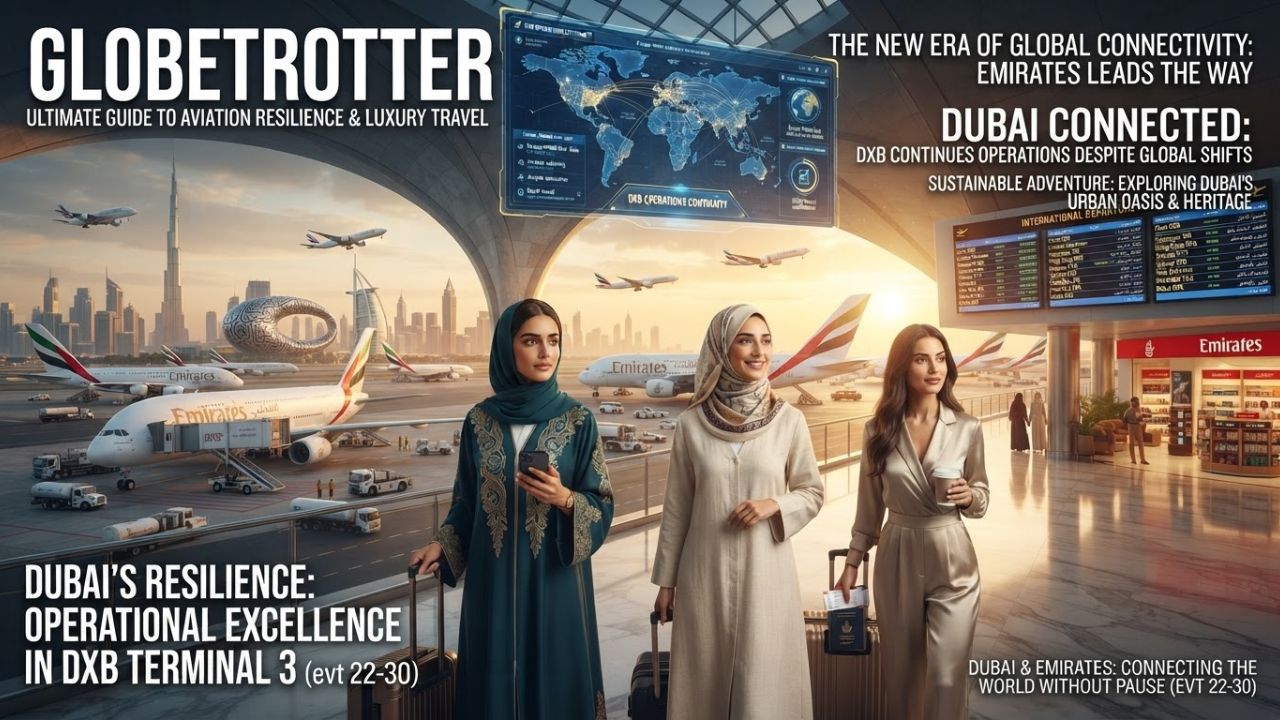
Image generated by AI
How Dubai is Managing Tourism Flows and Promoting Cultural Heritage Districts Amid Gulf Flight Rerouting in 2026
Dubai is redirecting passenger interest toward its historic creek-side museums, traditional textile souks, and desert conservation reserves as foreign carriers reroute flights.
The Local Trend Revealed
Several international airlines have suspended flights to Dubai International Airport (DXB) following the European Union Aviation Safety Agency (EASA) Conflict Zone Information Bulletin issued on July 14, 2026. The advisory recommends that airlines avoid the airspace of the United Arab Emirates, Bahrain, Kuwait, and Qatar, as well as parts of the Gulf of Oman, with the warning remaining valid until July 29, 2026. This has led to independent flight suspensions from several foreign carriers, while local airlines Emirates and flydubai continue to run their schedules.
According to scheduling logs, Air France has suspended flights through July 27, 2026 (departures through July 28). Other carriers have delayed resumptions until later in the season:
- British Airways: Suspended through October 24, 2026 (proposed return October 25, 2026).
- Cathay Pacific: Resumption postponed to October 25, 2026.
- Singapore Airlines: Flights SQ494 and SQ495 cancelled through October 24, 2026.
- KLM: Cancelled through August 23, 2026.
- Air Canada: Cancelled through October 24, 2026.
Cultural & Environmental Value (Information Gain)
Faced with temporary reductions in foreign airline capacity, the Dubai Department of Economy and Tourism (DET) is encouraging visitors to use low-carbon transport networks to explore the emirate's cultural heritage. Travelers are advised to utilize the electric, driverless Dubai Metro system rather than private vehicles to travel between DXB and the historic city center, helping to lower emissions.
Instead of staying within modern commercial shopping malls, tourists are redirecting spending to local traders in the Deira Gold Souk and the Bur Dubai Textile Market. Visitors are also encouraged to participate in eco-friendly tours at the Al Marmoom Desert Conservation Reserve, where local guides lead wildlife tracking trips that fund desert eco-system protection programs. These practices ensure tourism revenue directly supports regional communities and preservation efforts.
Visitor Insider Tips
For travelers experiencing extended stopovers or planning visits during these scheduling changes, local cultural experts suggest the following recommendations.
- Off-Peak Visit Window: The ideal season to visit is from November to March when temperatures average a comfortable 25°C. Avoid the summer months of June to September when daily temperatures routinely exceed 40°C.
- Respect Local Etiquette: Dress modestly in public spaces. Ensure shoulders and knees are covered when visiting heritage zones like the Al Fahidi Historical Neighbourhood. Public displays of affection are discouraged in heritage areas.
- Use the Dubai Creek Abras: Cross the historic creek using traditional wooden abras. The rides cost just 1 AED per trip, providing a low-carbon, community-operated transport experience that connects historic Deira with Bur Dubai.
- Savor Traditional Emirati Cuisine: Visit heritage restaurants to taste Al Harees (a slow-cooked mixture of wheat, meat, and ghee) and Al Machboos (spiced rice with meat). Finish your meal with Luqaimat (crispy sweet dumplings drizzled with local date syrup).
- Discover Al Shindagha Museum: Located along Dubai Creek, this museum offers interactive exhibits on the region's maritime heritage, pearl diving history, and traditional craft making.
Tourism Outlook
While the EASA recommendations have prompted temporary cancellations from foreign operators, DXB remains open and operational. The UAE General Civil Aviation Authority (GCAA) and local airlines continue to manage flight corridors to ensure passenger safety. By shifting focus toward cultural tourism, community heritage sites, and sustainable transit options, Dubai is showing how modern destinations can maintain tourism activity and support local artisans during periods of regional flight rerouting.
Related Travel Guides
Disclaimer
This article is for informational and educational purposes only. It does not constitute legal, financial, or professional advice. While we strive to provide accurate and up-to-date information, travel policies, regulations, and conditions change rapidly. Always verify information with official sources before making travel decisions. Nomad Lawyer makes no representations about the accuracy, reliability, completeness, or suitability of the information provided. Readers should consult qualified professionals for advice specific to their circumstances. The views expressed in this article are those of the author and do not necessarily reflect the views of Nomad Lawyer.
Kunal K Choudhary
Co-Founder & Contributor
A passionate traveller and tech enthusiast. Kunal contributes to the vision and growth of Nomad Lawyer, bringing fresh perspectives and driving the community forward.
Learn more about our team →