
Dubai's Luxury Real Estate Boom: Golden Visas and Smart Homes
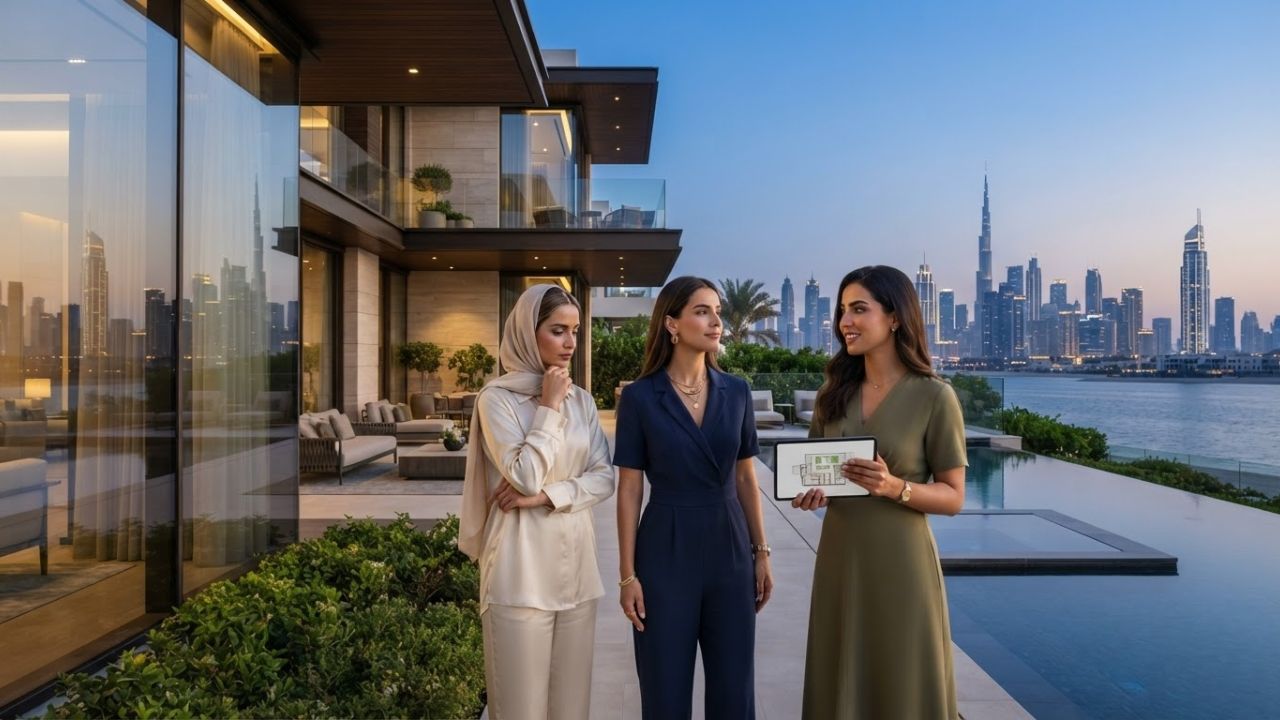
Image generated by AI
Dubai's luxury real estate market recorded 244 off-plan residential transactions valued above AED 5 million in July 2026, generating a combined sales value of AED 3.42 billion as international investors targeted the city's premium housing sector. This growth demonstrates sustained buyer confidence in the emirate, supported by long-term residency options and modern sustainability standards.
The demand for high-end properties extends across both off-plan apartments and luxury villas. By integrating green building codes, smart home technologies, and flexible investor visa pathways, Dubai has established a real estate model that appeals to high-net-worth individuals seeking stable yields and premium living environments.
The Local Trend: The Demand for Green and Smart Living Space
The luxury residential market in Dubai is experiencing a transition driven by modern construction standards and green initiatives. Developers are focusing on eco-friendly properties that comply with the Al Sa'fat green building rating system established by the Dubai Municipality. This mandatory system sets environmental benchmarks for energy efficiency, water conservation, and building materials, requiring a minimum Silver rating for new developments.
This focus on green infrastructure has made sustainable properties a priority for buyers. Energy-efficient systems, solar power integration, and smart home automation help reduce utility costs, supporting higher rental yields.
Developments that do not meet these green standards increasingly face a brown discount, where their market value declines compared to modern, eco-certified residences. As a result, developers are investing in bio-living communities and waterfront projects that blend luxury amenities with environmental conservation.
Analyzing Off-Plan Residential Sales and Price Brackets
Data from the Dubai Land Department (DLD) and DXBinteract reveals that the off-plan luxury market was highly active during July. The month's transactions included 151 off-plan apartment sales with a total value of AED 2.3 billion, alongside 93 villa sales that contributed AED 1.1 billion. Across all luxury off-plan deals exceeding AED 5 million, the average transaction value reached approximately AED 14 million, reflecting a strong appetite for premium properties.
The market performance was distributed across several key price brackets:
- AED 5-10 Million: This bracket was the most active for volume, recording 81 apartment transactions worth AED 552.6 million and approximately 60 villa sales valued at AED 387.4 million.
- AED 10-20 Million: This segment recorded 41 apartment sales generating a combined value of AED 593.6 million, alongside 22 villa transactions contributing AED 317.2 million.
- AED 20-50 Million: High-value buyers completed 24 apartment transactions worth AED 708.5 million and 10 villa sales accounting for AED 334.1 million.
- Ultra-Luxury (Above AED 50 Million): This elite category recorded four apartment deals completed within the AED 50 million to AED 100 million range, achieving an average transaction value of AED 69.9 million. One premium apartment sale reached AED 166 million, while standalone transactions included a villa deal at AED 72.7 million.
These figures show that while the entry-level luxury bracket handles the largest volume of sales, the top-tier ultra-luxury properties generate a substantial portion of the market's total value.
Golden Visa Regulations and Investor Incentives
A major driver of Dubai's luxury property market is the 10-year Golden Visa program, which provides long-term residency for international investors. Under current DLD regulations, buyers who invest at least AED 2 million in freehold residential properties qualify for this visa. The program allows investors to combine multiple properties to reach the minimum threshold, and if a property is mortgaged, the net equity paid toward the asset must meet the AED 2 million requirement.
Additionally, the residency framework includes a 2-year property investor visa. Following regulatory updates, the government removed the minimum property value requirement for sole owners of completed residential assets, simplifying the process for buyers looking for shorter-term residency linked to real estate.
For jointly owned properties, each investor must hold a minimum share value of AED 400,000 to qualify. These flexible residency pathways reduce the administrative barriers of relocating to Dubai, encouraging long-term capital commitment from international buyers.
Sustainable Communities and Environmental Integration
The growth of the luxury property market is aligned with urban planning initiatives that prioritize green spaces and resource management. New high-end communities are designed with large parklands, low-emission transport networks, and integrated recycling systems, minimizing the environmental footprint of high-density living areas.
Developments located near protected natural areas, such as the Ras Al Khor Wildlife Sanctuary, are subject to strict environmental regulations to protect local ecosystems. These projects must incorporate low-impact lighting, noise reduction barriers, and water filtration systems to prevent pollution from affecting surrounding habitats.
By integrating conservation with residential planning, the city aims to create communities where luxury development supports biodiversity. This approach appeals to eco-conscious buyers who prioritize environmental sustainability alongside property quality.
High-End Property Investment Strategy: Key Districts
For international buyers evaluating the Dubai real estate market, understanding the characteristics of key districts is essential:
- Mohammed Bin Rashid City (MBR City): A large master-planned community featuring low-density developments, lagoon systems, and bio-living communities like Keturah Reserve in District 7, attracting families seeking wellness-focused environments.
- Dubai Creek Harbour: A waterfront district featuring residential high-rises and premium retail spaces along the historic creek, offering access to the Ras Al Khor Wildlife Sanctuary.
- Palm Jumeirah: An iconic artificial archipelago known for luxury beachfront villas, high-end apartments, and premium resort amenities, attracting international ultra-luxury buyers.
- Downtown Dubai: The commercial and tourist center of the city, dominated by high-rise luxury apartments surrounding the Burj Khalifa and Dubai Mall, offering high rental yields.
Visitor Insider Tips: Navigating Dubai's Luxury Districts
For travelers and prospective investors visiting Dubai, these practical tips will help ensure a successful stay:
- Residency Verification: Before buying a property for residency purposes, visit the DLD Cube center at the Dubai Land Department headquarters to verify the latest visa requirements and mortgage equity calculations.
- Optimal Visit Window: Plan your property tours during the cooler months from November to March, when temperatures range between 20°C and 30°C. If visiting during the summer (June to August), expect temperatures above 40°C, though many developers offer seasonal investment promotions during this period.
- Cultural Guidelines: Respect local traditions by dressing modestly in public spaces like shopping malls, traditional souks, and government offices. Ensure shoulders and knees are covered, use your right hand when greeting locals or exchanging documents, and ask for permission before taking photographs of people.
- Local Transport: Use the Dubai Metro for fast travel between the airport, Downtown, and Marina districts. For private transit, use the official RTA taxis or licensed ride-hailing services.
Outlook: Dubai's Maturing Real Estate Sector
The positive performance of both off-plan and ready properties during July highlights the maturity of Dubai's luxury housing sector. Over the past three months, developers recorded 942 off-plan residential transactions exceeding AED 5 million, with a total value of AED 12.11 billion and an average per-property value of AED 12.9 million.
This stable performance is mirrored in the ready-property market, which recorded 43 transactions above AED 5 million in July, generating a total value of AED 552.8 million and maintaining an average value of AED 12.9 million.
Future market development will depend on the expansion of sustainable communities, the enforcement of green building regulations under Al Sa'fat, and the continued availability of long-term investor visas. By balancing luxury development with resource conservation and flexible residency policies, Dubai is establishing a real estate model that supports long-term economic growth and international investment.
Related Travel Guides
Disclaimer
This article is for informational and educational purposes only. It does not constitute legal, financial, or professional advice. While we strive to provide accurate and up-to-date information, travel policies, regulations, and conditions change rapidly. Always verify information with official sources before making travel decisions. Nomad Lawyer makes no representations about the accuracy, reliability, completeness, or suitability of the information provided. Readers should consult qualified professionals for advice specific to their circumstances. The views expressed in this article are those of the author and do not necessarily reflect the views of Nomad Lawyer.