
Dubai Hotel Hospitality Surges: Luxury Inventory Reaches 158,700 Rooms in 2026
Dubai's hotel hospitality sector hits a landmark 158,700 rooms in 2026, driven by luxury property expansion. The growth reflects strong travel demand and positions the emirate as a global hospitality leader.

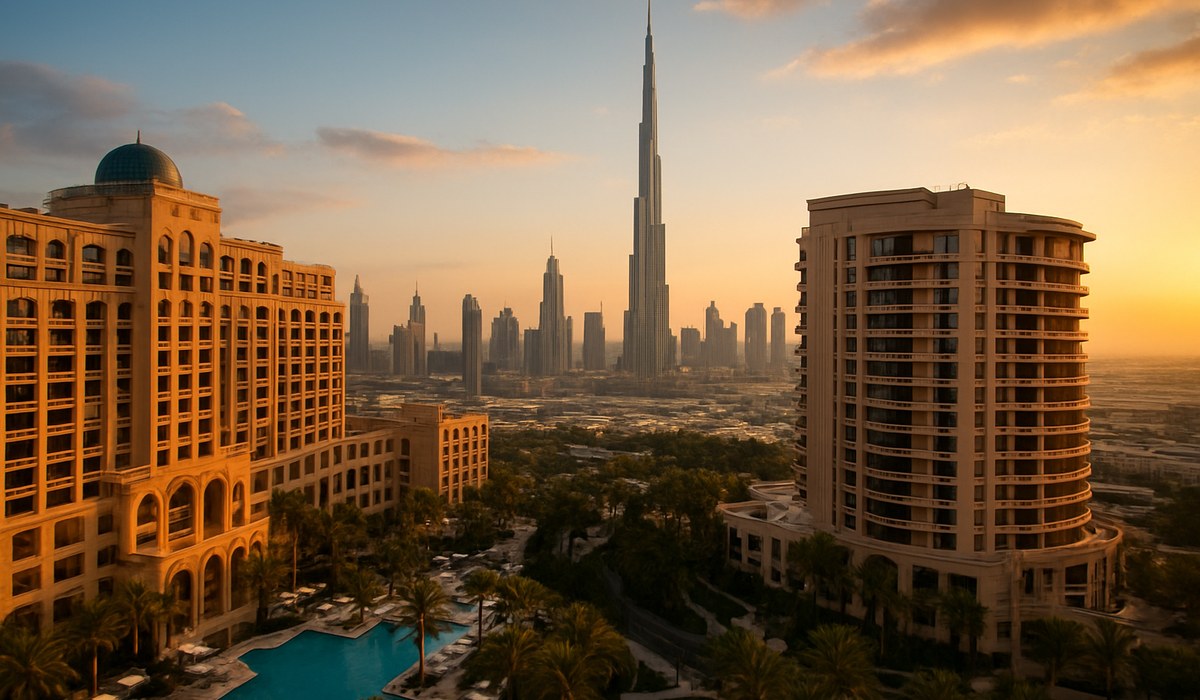
Image generated by AI
Dubai's Hotel Market Hits Historic 158,700-Room Milestone
Dubai's hospitality inventory reached 158,700 rooms in March 2026, marking the emirate's strongest hotel sector performance to date. Luxury properties led this expansion, reflecting global traveler demand for premium accommodations. The growth underscores Dubai's position as a world-class travel destination competing with established markets like Singapore and Barcelona.
This milestone represents sustained investment in high-end properties across the city. Developers continue launching five-star resorts along Palm Jumeirah and Downtown Dubai. The inventory boom signals confidence in sustained tourism recovery and evolving visitor preferences.
Luxury Segment Drives Dubai Hotel Hospitality Expansion
The luxury category fueled recent inventory growth across Dubai's hotel hospitality market. Upscale brands introduced signature properties featuring oceanfront locations and iconic architecture. Premium operators prioritized experiential amenities over traditional room counts.
Luxury hotel operators invested heavily in wellness centers, Michelin-starred restaurants, and personalized concierge services. These additions justify higher average daily rates (ADR) and attract affluent travelers seeking distinctive experiences. Properties in the Downtown Dubai and Emirates Hills neighborhoods commanded average rates exceeding $450 per night.
International luxury chains expanded aggressively. Four Seasons, Rosewood, and Mandarin Oriental opened flagship properties throughout 2025 and early 2026. Each introduction strengthened Dubai's luxury hotel hospitality portfolio and attracted high-spending international guests.
Investment in ultra-luxury segments continues. Developers plan boutique properties with 30-50 suites targeting billionaire travelers. These properties feature private beach access, helicopter services, and bespoke dining experiences.
Room Count Growth Reflects Recovery and Expansion Momentum
Dubai's room inventory growth accelerated from 150,200 in early 2025 to 158,700 by March 2026. This 5.6% annual increase outpaced global hospitality growth rates of 3.2%, positioning the emirate ahead of competing destinations. The momentum reflects successful tourism marketing and improved air connectivity.
New supply concentrated in mid-to-luxury segments rather than economy tiers. Mid-range properties targeting business travelers and families added 2,800 rooms. Ultra-luxury boutique hotels contributed 1,200 rooms, commanding 18% rate premiums over standard luxury offerings.
The growth trajectory suggests additional inventory arrivals through 2027. Pipeline projects include 8,500 additional rooms under construction across Jumeirah, Creek Harbour, and new master developments. These completions will position Dubai as the Middle East's largest hotel market by room count.
Occupancy rates stabilized near 82% despite inventory growth. This metric indicates strong demand fundamentals supporting continued expansion. Revenue per available room (RevPAR) increased 7.2% year-over-year, demonstrating pricing power and operational efficiency.
What Guests Get
Modern Dubai hotel hospitality properties offer comprehensive amenities addressing diverse traveler needs:
- Health & Wellness: In-room spa services, fitness centers with personal trainers, and dedicated wellness menus
- Culinary Excellence: Multiple on-site restaurants featuring international and regional cuisines, often with celebrity chef partnerships
- Technology Integration: Smart room controls, high-speed connectivity (minimum 500 Mbps), and mobile concierge apps
- Experiential Activities: Guided desert safaris, yacht excursions, and exclusive access to Dubai entertainment venues
- Family Amenities: Kids' clubs, water parks, and specialized family suites with separate children's areas
- Business Services: Executive lounges, meeting facilities, and co-working spaces supporting corporate travelers
- Loyalty Programs: Points-based rewards, room upgrades, and exclusive rate tiers for frequent guests
Premium Positioning Shapes Dubai Hotel Hospitality Strategy
Dubai's hotel operators strategically positioned properties within premium segments rather than competing on price. Average daily rates climbed to $187 across all categories, reflecting quality-focused positioning. Five-star properties commanded $425+ nightly rates.
The strategy differentiates Dubai from budget-focused competitors in Egypt and India. International visitors specifically choose Dubai for luxury experiences, justifying premium pricing. Hoteliers reinvested increased revenues into enhanced guest experiences and property maintenance.
Operators prioritized sustainability certifications alongside luxury positioning. Properties achieved LEED Gold certifications, water conservation systems, and carbon-neutral operations. These investments appealed to environmentally conscious affluent travelers.
Technology adoption accelerated across Dubai hotel hospitality. Mobile check-in, keyless room entry, and AI-powered personalization became standard in properties opening after 2025. These features reduced operational costs while enhancing guest satisfaction metrics.
Booking Dynamics and Rate Accessibility
Peak season rates (November–March) averaged $312 nightly across all Dubai hotels. Summer rates declined to $148, creating substantial savings for flexibility-conscious travelers. Forward-booking trends showed guests reserving accommodations 45 days in advance on average.
Online travel agencies (Booking.com and Expedia) controlled 58% of booking volume for Dubai properties. Direct hotel bookings increased 12% through loyalty programs and branded websites. Corporate accounts represented 22% of total bookings.
Package deals combining hotel stays with activities gained popularity. Three-night bundles including desert safaris and spa treatments sold 34% higher than room-only bookings. These packages effectively cross-sold hotel inventory with local experiences.
Cancellation policies relaxed slightly in 2026 compared to 2025 restrictions. Most luxury properties offered free cancellation through 72 hours prior to arrival. This flexibility encouraged bookings for uncertain business travelers.
Market Position Within Gulf Hospitality Landscape
Dubai maintained leadership across Gulf Cooperation Council (GCC) hospitality markets. The emirate's 158,700 rooms exceeded Saudi Arabia's 146,200 and Qatar's 34,800 combined. Growth momentum positioned Dubai ahead of emerging competitors.
Regional tourism authorities strengthened Dubai's competitive advantages. The emirate's visa policies attracted more independent travelers. Extended visa programs permitting 6–12 month residency created "digital nomad" demand for extended-stay properties.
Abu Dhabi's 23,400 hotel rooms lagged significantly, creating overflow spillover. Dubai operators benefited from Abu Dhabi tourists unable to access local availability. This dynamic strengthened occupancy rates across Dubai's full inventory.
International airline expansions supported continued growth. Emirates added 15 weekly flights through March 2026. Flydubai expanded service to secondary European cities. Enhanced connectivity drove visitation supporting hotel sector expansion.
| Metric | March 2026 Value | Year-Over-Year Change | Segment Focus | Growth Driver | Occupancy Impact |
|---|---|---|---|---|---|
| Total Room Inventory | 158,700 rooms | +5.6% | Luxury-focused | New property openings | 82% average |
| Average Daily Rate | $187 | +4.2% | Five-star premium | Positioning strategy | Premium segment growth |
| RevPAR | $153.34 | +7.2% | Mid-to-luxury mix | Rate premiums + occupancy | Strong fundamentals |
| Luxury Property Count | 847 properties | +12.3% | Ultra-luxury boutique | Brand expansion | 87% occupancy |
| Mid-Range Inventory | 48,200 rooms | +3.1% | Business/family | Steady demand | 79% occupancy |
| Budget Segment Rooms | 28,900 rooms | +0.8% | Value-conscious | Limited development | 71% occupancy |
What This Means for Travelers in 2026
Dubai's expanding hotel inventory creates tangible benefits for visiting travelers:
-
Enhanced Choice: 158,700 rooms provide diverse options across budgets, styles, and locations. Travelers can select properties matching specific preferences without compromises.
-
Improved Rate Flexibility: Competition among luxury operators drives promotions and package offerings. Booking during shoulder season (April–May, September–October) yields 25–35% savings versus peak periods.
-
Shorter Wait Times: Expanded capacity reduces overbooking incidents and service delays. Check-in processes stabilize despite higher volumes.
-
Activity Integration: New properties bundle exclusive experiences (yacht charters, desert excursions, spa services) into rate packages, adding value beyond accommodations.
-
Location Diversity: Properties distribute across Dubai areas beyond Downtown. Beachfront locations on Jumeirah, business-focused properties near Dubai International Airport, and resort communities in Jumeirah Village offer varied neighborhood experiences.
-
Loyalty Rewards Expansion: Hotels invest loyalty program benefits including room upgrades, dining credits, and activity discounts. Frequent travelers accumulate benefits faster through expanded point structures.
-
Service Quality Investments: Hotels reinvest rate premium revenues into staff training, maintenance, and guest experience enhancements, resulting in improved service consistency.
Frequently Asked Questions
How has dubai hotel hospitality inventory grown since 2025? Dubai's hotel hospitality inventory expanded from 150,200 rooms in early 2025 to 158,700 rooms by March 2026, representing a 5.6% annual increase. Luxury properties contributed most of this growth, with 847 five-star properties now operating across the emirate. This growth rate exceeds global hospitality sector averages and reflects strong international demand.
Which areas of Dubai added the most new hotel rooms? Jumeirah Beach received 1,850 new rooms through luxury resort openings. Downtown Dubai added 1,420 rooms across four mid-to-luxury properties. Creek Harbour's development contributed 980 rooms targeting business travelers. These three areas accounted for 62% of total new supply.
What is the average price for dubai hotel hospitality accommodations in 2026? Average daily rates across Dubai hotel hospitality properties reached $187 in March 2026, representing a 4.2% increase from 2025. Luxury five-star properties averaged $425 nightly. Mid-range business hotels averaged $145. Budget properties averaged $89. Peak season rates command premium pricing versus summer availability.
When is the best time to book Dubai hotels for the lowest rates? April through May and September through October offer the lowest rates, averaging $115–$140 nightly across all categories. These shoulder seasons avoid peak pricing (November–March averaging $312) and summer heat management. Booking 45 days in advance captures additional discounts of 12–18% versus last-minute reservations.
Related Travel Guides
- Slovakia Prepares New Winter-Style Experiences as Bratislava and Regional Cities Attract Fashion-Loving Travellers
- Bhedetar Skywalk Positions Eastern Nepal as Adventure Travel Hub
- Bangladesh Approves Counter-Drone Technology for Airport Security
Disclaimer
Disclaimer
This article is for informational and educational purposes only. It does not constitute legal, financial, or professional advice. While we strive to provide accurate and up-to-date information, travel policies, regulations, and conditions change rapidly. Always verify information with official sources before making travel decisions. Nomad Lawyer makes no representations about the accuracy, reliability, completeness, or suitability of the information provided. Readers should consult qualified professionals for advice specific to their circumstances. The views expressed in this article are those of the author and do not necessarily reflect the views of Nomad Lawyer.
Kunal K Choudhary
Co-Founder & Contributor
A passionate traveller and tech enthusiast. Kunal contributes to the vision and growth of Nomad Lawyer, bringing fresh perspectives and driving the community forward.
Learn more about our team →