
Dubai Hotel Hospitality: Luxury Segment Drives 158,700-Room Boom
Dubai hotel hospitality reaches unprecedented scale with 158,700 rooms as luxury inventory drives 2026 growth. Strong tourist demand and rising average daily rates fuel the emirate's hospitality expansion.

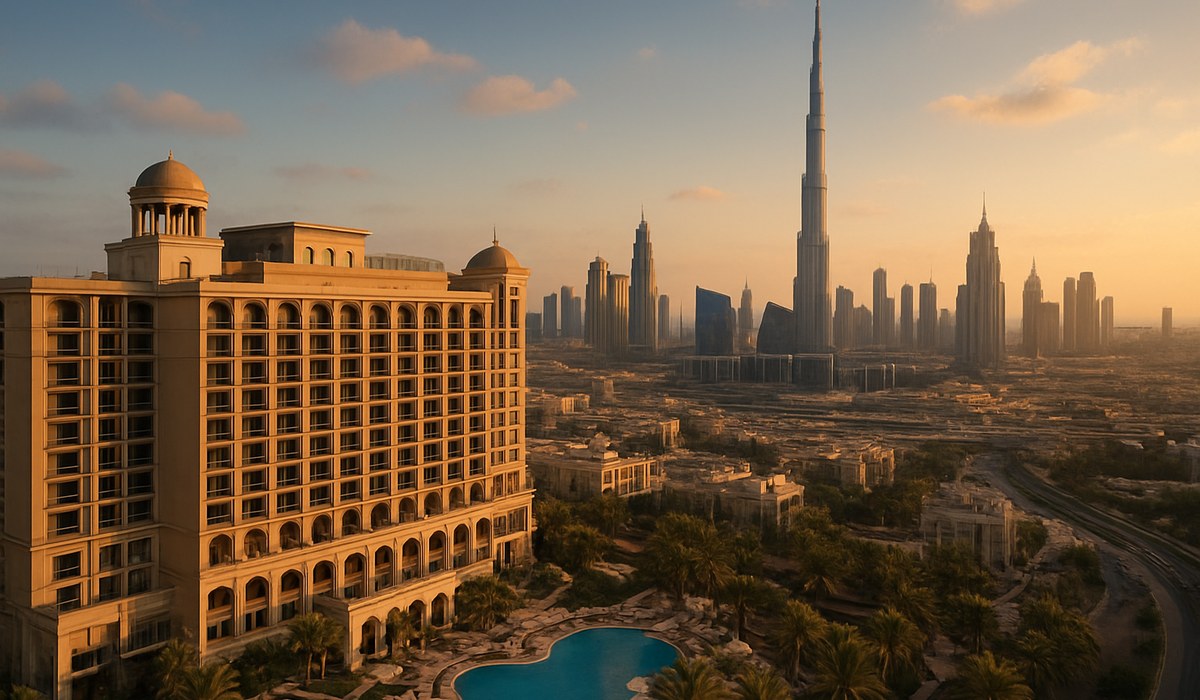
Image generated by AI
Dubai's Hotel Sector Reaches Historic Room Capacity
Dubai's hospitality market has surpassed 158,700 hotel rooms, marking a significant milestone for the Gulf's premier tourist destination. Luxury accommodations lead this expansion, capitalizing on robust visitor arrivals and elevated pricing power throughout 2026. The emirate's growth reflects a strategic focus on high-end hospitality that continues to reshape the regional competitive landscape.
This inventory expansion represents years of capital investment by international and local hospitality groups. The diversification across luxury, upper-midscale, and budget segments ensures Dubai appeals to varied traveler demographics. Strong demand metrics validate this aggressive expansion strategy across the hospitality sector.
The Luxury Segment Drives Dubai Hotel Hospitality Expansion
Luxury properties now form the fastest-growing category within Dubai hotel hospitality, capturing premium-paying guests worldwide. High-end brands have launched flagship properties in Business Bay, Downtown Dubai, and along the Palm Jumeirah coastline. These luxury openings command average daily rates (ADR) significantly above market average, enhancing overall revenue performance for the sector.
The luxury boom reflects changing consumer preferences toward experiential travel and personalized service. International hospitality chains recognize Dubai's capacity to support ultra-luxury positioning with strong demand from affluent travelers. Strategic placement in high-visibility locations strengthens brand prestige while supporting broader inventory growth objectives for the emirate.
For current luxury availability and rates, visit Expedia or your preferred booking platform to compare properties and seasonal pricing.
Room Inventory Growth Outpaces Regional Competitors
Dubai's 158,700-room inventory now exceeds most competing Middle Eastern destinations, establishing the emirate as the region's accommodation leader. This inventory boom accelerated throughout 2024-2026 as developers completed projects launched during the pre-pandemic period. Strategic supply increases target both leisure and corporate segments across boutique and large-scale properties.
Inventory growth supports Dubai's tourism strategy of attracting 20+ million annual visitors. Adequate room supply prevents price saturation during peak seasons while maintaining premium positioning. The balance between growth and pricing power demonstrates sophisticated hospitality sector management.
Check Booking.com for detailed inventory availability across all property categories and real-time rate comparisons across Dubai's hotel hospitality offerings.
Average Daily Rates Show Resilience During Growth Phase
Despite significant inventory additions, Dubai hotel hospitality maintains strong average daily rate performance in 2026. Premium properties command rates exceeding $400 per night, while midscale offerings stabilize between $150-$250. This rate structure reflects consistent traveler demand despite increased supply.
ADR resilience indicates that demand growth matches inventory expansion across the hospitality sector. Occupancy rates remain healthy throughout the year, supported by international events, business conferences, and seasonal leisure travel. Strong rate performance validates the sector's investment thesis and encourages continued development pipeline activity.
What Guests Get
Dubai's expanded hospitality inventory delivers diverse accommodation options across multiple price tiers and property styles:
- Luxury amenities: Five-star spa facilities, Michelin-recommended restaurants, private beach access, and concierge services
- Technology integration: Smart room controls, mobile check-in, high-speed connectivity, and digital entertainment systems
- Location diversity: Downtown high-rise properties, beachfront resorts, business district hotels, and Palm Island exclusivity
- Wellness offerings: State-of-the-art fitness centers, yoga studios, meditation spaces, and healthy dining options
- Event capacity: Conference facilities, ballroom spaces, and flexible event planning for corporate and social gatherings
- Loyalty programs: Points accumulation, exclusive member rates, and priority booking across affiliated global properties
Tourism Infrastructure Supports Continued Hospitality Boom
Dubai's investment in transportation, attractions, and dining infrastructure directly supports hotel inventory growth. The expanded metro system connects hospitality properties to major destinations throughout the emirate. New entertainment venues, shopping districts, and cultural attractions create demand drivers for extended visitor stays.
Infrastructure development demonstrates Dubai's commitment to maximizing visitor spending and encouraging repeat tourism. Coordinated investment across tourism ecosystem components reinforces the hospitality sector's expansion strategy. Travelers benefit from seamless connections between accommodation, transportation, and activity options citywide.
| Hospitality Metric | 2026 Data | Segment Focus | Regional Position | Growth Driver | Traveler Impact |
|---|---|---|---|---|---|
| Total Room Inventory | 158,700 | Mixed-use properties | #1 in Middle East | Luxury openings | More choice at all price points |
| Luxury Property Count | 45+ | Five-star focus | Premium tier leader | Brand expansion | Enhanced service standards |
| Average Daily Rate Range | $150–$450+ | Full spectrum | Market competitive | Premium demand | Rate stability across seasons |
| Occupancy Rate Target | 82–88% | Year-round average | Strong regional benchmark | Consistent demand | Reliable availability |
| Infrastructure Investment | $2B+ | Transportation & attractions | Tourist ecosystem | Metro/attractions | Easier destination navigation |
| Corporate Event Capacity | 500K+ sqft | Conference & banquet | Leading regional hub | Business travel | Expanded meeting capabilities |
What This Means for Travelers Planning Dubai Visits
The hospitality boom creates tangible benefits for travelers seeking accommodation in Dubai during 2026. Room choice expands significantly, allowing visitors to match properties precisely to budget, location preference, and desired amenities. Early booking strategies remain important during peak seasons (October-April), despite increased inventory.
Travelers enjoy competitive rate shopping across 158,700 available rooms. Price competition between newer and established properties creates negotiation opportunities. Package deals combining accommodation with dining, spa, and activity credits appear more frequently as properties differentiate offerings.
Actionable takeaways for your Dubai visit:
- Book premium properties 6-8 weeks ahead for December-January travel dates
- Compare rates across luxury and upper-midscale segments—ADR differences may not justify price premiums
- Explore hotel packages that bundle dining credits and spa access for value optimization
- Use business travel if eligible—corporate rates often exceed loyalty program discounts
- Consider beachfront versus downtown locations based on planned activities and transportation preferences
- Verify amenity inclusions directly with properties, as feature sets vary significantly even within same brand
FAQ: Dubai Hotel Hospitality Questions for 2026 Travelers
What drives the growth in dubai hotel hospitality inventory? Dubai hotel hospitality growth stems from luxury brand expansion, strong international tourism demand, and strategic positioning as a premium Middle Eastern destination. Investment in high-end properties exceeds midscale development, reflecting visitor spending patterns and competitive advantage in ultra-luxury segments during 2026.
Which neighborhoods offer the best dubai hotel hospitality options? Downtown Dubai, Business Bay, and Palm Jumeirah lead in luxury property concentration. Beachfront areas near Jumeirah and Marina districts attract leisure travelers, while Deira caters to budget-conscious visitors. Each neighborhood offers distinct hospitality experiences aligned with specific traveler preferences and activity interests.
How does Dubai's 158,700-room inventory compare to competing destinations? Dubai's room count exceeds most Middle Eastern cities, positioning it as the regional accommodation leader. The emirate offers greater property diversity and higher luxury concentration than competitors. This inventory scale supports Dubai's goal of attracting 20+ million annual tourists while maintaining premium positioning.
Are rates sustainable as Dubai hotel hospitality inventory expands? Average daily rates remain resilient despite inventory growth because demand increases match supply additions. Premium properties command $400+ nightly rates, while midscale offerings stabilize between $150-$250. Occupancy rates stay healthy, validating the rate structure and investment thesis across the hospitality sector.
Related Travel Guides
Ultimate Dubai Travel Planning Guide for 2026 Visitors
Best Luxury Resorts in the UAE: Features and Booking Tips
Budget Accommodation Strategies: Middle East Hotel Booking Hacks
Disclaimer
Disclaimer
This article is for informational and educational purposes only. It does not constitute legal, financial, or professional advice. While we strive to provide accurate and up-to-date information, travel policies, regulations, and conditions change rapidly. Always verify information with official sources before making travel decisions. Nomad Lawyer makes no representations about the accuracy, reliability, completeness, or suitability of the information provided. Readers should consult qualified professionals for advice specific to their circumstances. The views expressed in this article are those of the author and do not necessarily reflect the views of Nomad Lawyer.
Kunal K Choudhary
Co-Founder & Contributor
A passionate traveller and tech enthusiast. Kunal contributes to the vision and growth of Nomad Lawyer, bringing fresh perspectives and driving the community forward.
Learn more about our team →