
Dominican Republic Tourism Tax Revenues Triple as Air Arrivals Hit 6.6 Million in 2026
The Dominican Republic has seen tourism tax revenues triple over the last decade, driven by 6.6 million air arrivals and a $11.3 billion surge in international receipts.

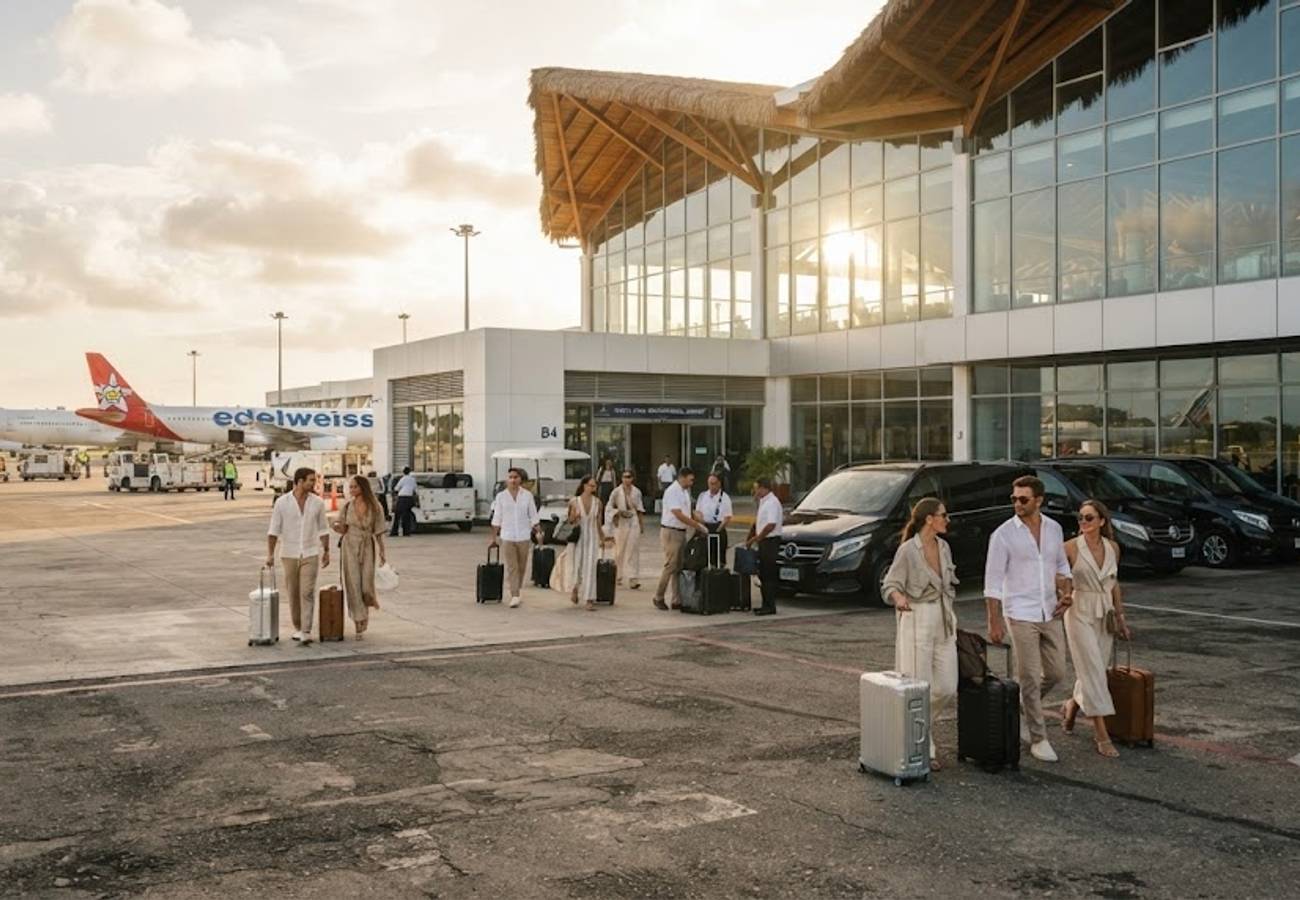
Image generated by AI
15 billion Dominican Pesos is the baseline from which tourism tax revenues have tripled over the last decade, signaling a massive fiscal shift in the Dominican Republic. This surge, concentrated in the hubs of Punta Cana, Santo Domingo, and Puerto Plata, is not a random byproduct of Caribbean appeal but the result of a calculated state strategy to convert visitor volume into permanent public infrastructure.
The Fiscal Engine of the Caribbean
The Dominican Republic has transitioned from a seasonal beach destination to a sophisticated economic engine. By implementing proactive public policies, the government has created a loop where tax receipts from high-traffic zones are reinvested into regional development. This structural shift has allowed the state to stabilize the Dominican Peso against global currency swings while funding healthcare and municipal upgrades across the territory.
The growth is heavily anchored by the hospitality sector—comprising hotels, bars, and restaurants—which now provides a direct 11.6% contribution to the national GDP. When accounting for supply chain spillovers, the total economic impact exceeds 15%.
Tourism Revenue and Arrival Metrics
The financial acceleration is driven by two distinct streams: high-spending air travelers and high-volume cruise passengers. Air arrivals are particularly valuable due to longer stays and higher per-capita expenditure on luxury lodging and premium transport.
Tourism Economic Performance Data 2026
| Metric | Value | Impact Area |
|---|---|---|
| International Tourism Receipts | $11.3 Billion | National Treasury |
| Total Air Passenger Arrivals | 6.6 Million | Santo Domingo & Punta Cana |
| Monthly Air Arrival Growth | 8.8% (YoY) | Aviation Sector |
| Cruise Passenger Volume | 1.9 Million | Puerto Plata & La Romana |
| Annual Foreign Direct Investment (FDI) | $1.6 Billion+ | Hospitality Infrastructure |
| Direct GDP Contribution (HORECA) | 11.6% | National Economy |
| Total Economic Footprint | 15%+ | Broad Supply Chain |
Expert Analysis: The Legal Architecture of Growth
The rapid expansion of the Dominican Republic's tourism sector is less about "sun and sand" and more about legislative engineering. For the international investor, the Council for Tourism Promotion (CONFOTUR) and Law 158-01 have been the primary catalysts. These frameworks offer aggressive tax exemptions and streamlined approvals that lower the barrier for multi-billion-dollar luxury developments.
For the traveler, this legal environment results in a rapid modernization of the destination. The shift toward emerging regions like Samaná and Pedernales indicates a government effort to decentralize wealth, moving it away from the "all-inclusive bubble" of Punta Cana and into localized economies.
The reliance on air connectivity is a strategic vulnerability and strength. By expanding capacity at Punta Cana International Airport, the country has minimized "shoulder season" dips, ensuring a predictable stream of foreign exchange. However, the heavy reliance on FDI—surpassing $1.6 billion annually—means the local economy is now deeply tied to international investor confidence and global interest rates.
Key Takeaways
- Revenue Surge: Tourism tax revenues have tripled from a base of 15 billion Dominican Pesos over ten years.
- Aviation Dominance: 6.6 million air passengers drive the highest yields due to premium spending patterns.
- GDP Impact: The hospitality sector (hotels, bars, restaurants) directly fuels 11.6% of the national GDP.
- Legal Incentives: Law 158-01 and CONFOTUR are the primary drivers behind $1.6 billion in annual foreign investment.
- Maritime Reach: 1.9 million cruise visitors are diversifying the tax base in ports like Amber Cove and Taino Bay.
FAQ: Dominican Republic Tourism 2026
Why are flights to the Dominican Republic becoming more frequent? The government is aggressively expanding aviation connectivity to maintain high occupancy rates year-round. With monthly air arrivals growing by 8.8%, more carriers are adding routes to Santo Domingo and Punta Cana to capture high-spending luxury travelers.
What is CONFOTUR and how does it affect travelers? CONFOTUR is a government body providing tax incentives to developers. For travelers, this translates to a constant influx of new, high-end luxury resorts and modernized infrastructure in previously underdeveloped areas like Pedernales.
Is cruise tourism better for the local economy than all-inclusive resorts? Cruise tourism, which brought 1.9 million visitors recently, helps decentralize wealth. While resorts keep spending internal, cruise passengers in Puerto Plata and La Romana spend directly with local artisans and independent tour operators.
The Dominican Republic is no longer just selling a destination; it is exporting a blueprint for state-led tourism monetization.
Related Travel Guides
Disclaimer
This article is for informational and educational purposes only. It does not constitute legal, financial, or professional advice. While we strive to provide accurate and up-to-date information, travel policies, regulations, and conditions change rapidly. Always verify information with official sources before making travel decisions. Nomad Lawyer makes no representations about the accuracy, reliability, completeness, or suitability of the information provided. Readers should consult qualified professionals for advice specific to their circumstances. The views expressed in this article are those of the author and do not necessarily reflect the views of Nomad Lawyer.
Kunal K Choudhary
Co-Founder & Contributor
A passionate traveller and tech enthusiast. Kunal contributes to the vision and growth of Nomad Lawyer, bringing fresh perspectives and driving the community forward.
Learn more about our team →