
Simple Acts of Respect Transform Passenger-Crew Relations in Modern Aviation
Breaking airline news and aviation industry updates for 2026.

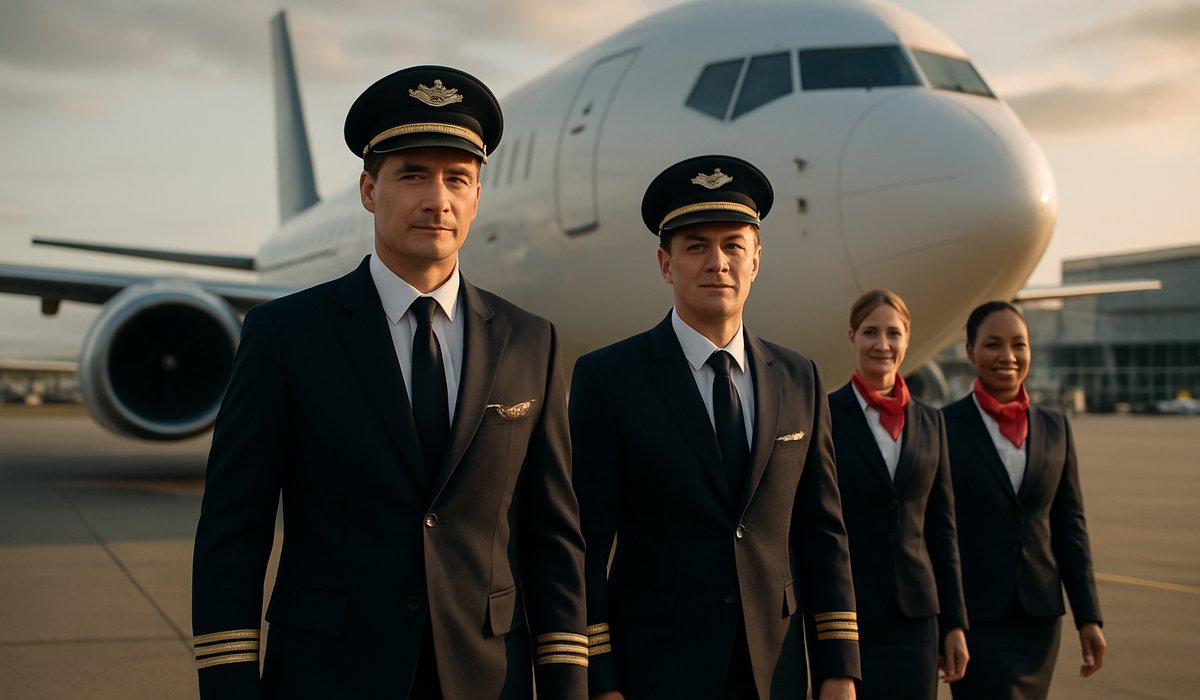
Image generated by AI
Simple Acts of Respect Transform Passenger-Crew Relations in Modern Aviation
Flight attendants reveal what separates courteous travelers from demanding ones—and why kindness matters more than ever in the post-pandemic skies
The Hidden Reality Behind the Service Bell
Commercial aviation has undergone a profound shift in how passengers perceive cabin crew. While many travelers view flight attendants primarily as hospitality workers—those responsible for beverage service, waste collection, and safety announcements—industry professionals are pushing back against this narrow characterization. The reality is far more complex and consequential.
Flight attendants occupy a dual role that extends well beyond customer service. They are trained safety specialists tasked with emergency response, passenger welfare monitoring, and crew coordination in high-stress environments. The distinction between hospitality and safety expertise has become increasingly critical as airlines face unprecedented challenges, from air rage incidents to medical emergencies at 35,000 feet.
What Sets Outstanding Passengers Apart
Aviation industry observers note that passengers demonstrating awareness of crew members' professional responsibilities consistently receive more attentive service and positive interactions. This phenomenon isn't coincidental—it reflects a fundamental shift in workplace dynamics within the airline industry.
Cabin crew members report that passengers who acknowledge the broader scope of flight attendant responsibilities—treating crew as professionals rather than service personnel—create noticeably different onboard atmospheres. Simple recognition of this distinction appears to enhance passenger-crew rapport and, by extension, the overall travel experience.
Growing Tensions in Modern Commercial Aviation
The aviation sector has witnessed escalating passenger misconduct since 2021, with unruly passenger incidents climbing dramatically across major carriers. Federal Aviation Administration (FAA) data documents thousands of incidents annually involving aggressive or disruptive travelers. This context makes respectful passenger behavior increasingly valuable.
Crew members navigating this challenging landscape report that passengers who demonstrate respect for their professional training and regulatory responsibilities contribute measurably to safer, more pleasant flights. The distinction matters particularly in emergency scenarios, where crew authority and passenger cooperation become life-or-death factors.
The Broader Industry Perspective
Airlines globally are intensifying crew welfare initiatives, recognizing that flight attendant job satisfaction directly impacts service quality and safety outcomes. When passengers understand that they're interacting with trained professionals rather than service workers, the dynamic shifts toward mutual respect.
Industry leaders emphasize that fostering positive passenger-crew relationships benefits everyone: crews experience reduced stress and burnout, airlines report fewer incidents, and passengers enjoy demonstrably better travel experiences. This alignment of interests suggests that simple behavioral adjustments carry outsized benefits across the aviation ecosystem.
FAQ: Passenger-Crew Relations in Aviation
What is the primary responsibility of flight attendants beyond serving drinks? Flight attendants are federally trained safety professionals responsible for emergency response, passenger welfare, evacuation procedures, and maintaining security at 35,000 feet.
How has passenger behavior toward cabin crew changed in recent years? Airlines have documented significant increases in disruptive passenger incidents since 2021, prompting heightened focus on crew welfare and passenger conduct standards.
Why does treating flight attendants as professionals improve the flight experience? Respectful passenger behavior reduces crew stress, creates positive onboard atmospheres, and strengthens the safety-focused culture essential to commercial aviation operations.
What specific actions do cabin crew members appreciate from passengers? Acknowledging crew authority, following safety instructions promptly, and treating attendants with basic courtesy significantly improves crew morale and passenger interactions.
How do airlines support flight attendants facing increased passenger aggression? Major carriers have implemented additional training, reporting protocols, and support systems to protect crew members from unruly passenger incidents.
Related Travel Guides
Disclaimer
This article is for informational and educational purposes only. It does not constitute legal, financial, or professional advice. While we strive to provide accurate and up-to-date information, travel policies, regulations, and conditions change rapidly. Always verify information with official sources before making travel decisions. Nomad Lawyer makes no representations about the accuracy, reliability, completeness, or suitability of the information provided. Readers should consult qualified professionals for advice specific to their circumstances. The views expressed in this article are those of the author and do not necessarily reflect the views of Nomad Lawyer.
Kunal K Choudhary
Co-Founder & Contributor
A passionate traveller and tech enthusiast. Kunal contributes to the vision and growth of Nomad Lawyer, bringing fresh perspectives and driving the community forward.
Learn more about our team →