
American Airlines Seeks Next-Generation Aircraft to Replace Aging 777-200ER Fleet
Breaking airline news and aviation industry updates for 2026.

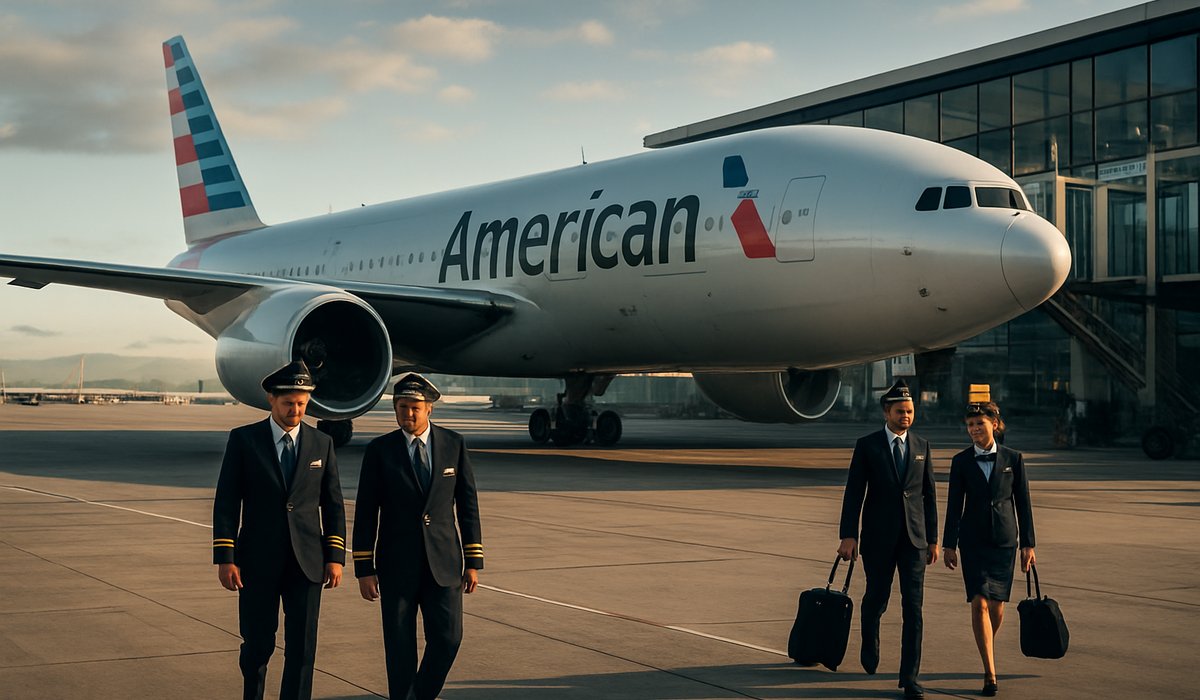
Image generated by AI
American Airlines Seeks Next-Generation Aircraft to Replace Aging 777-200ER Fleet
Major U.S. carrier launches competitive bidding process with Boeing and Airbus for wide-body replacement, signaling significant fleet modernization
Strategic Fleet Renewal Underway
American Airlines has initiated formal negotiations with both Boeing and Airbus regarding the replacement of its aging Boeing 777-200ER wide-body fleet, according to an announcement made by Chief Executive Officer Robert Isom during the carrier's shareholder meeting this week. The move marks a critical juncture for the airline's long-haul operations, which depend heavily on the aircraft currently serving its international routes.
The Challenge of Aging Aircraft
The 777-200ER aircraft currently operating within American's fleet have reached approximately 25 years of service—a threshold that raises both operational and financial considerations for the airline. While Boeing's twin-engine wide-body design remains one of the most reliable long-haul platforms in commercial aviation, the aging airframes increasingly present maintenance costs, fuel efficiency challenges, and operational constraints that newer technology can address.
During the shareholders' gathering, Isom outlined that the airline has formally issued requests for proposals to competing manufacturers, creating a competitive environment that could yield favorable terms for the carrier. This dual-track approach allows American Airlines to evaluate the technical capabilities, pricing structures, and financing arrangements offered by both manufacturers.
Competitive Dynamics in Wide-Body Markets
The decision reflects broader industry trends as carriers worldwide modernize aging fleets in response to volatile jet fuel prices, environmental regulations, and shifting passenger demand for premium cabin experiences. Both Boeing and Airbus have vested interests in capturing American's business—a significant contract that could influence fleet strategies across the airline industry.
Airbus's A350 and Boeing's 777X represent the next-generation wide-body contenders, each offering enhanced fuel efficiency, reduced operating costs, and advanced cabin technologies that appeal to major international carriers seeking competitive advantages.
Implications for American's Network Strategy
The fleet renewal initiative carries implications extending beyond simple aircraft replacement. Modernized wide-body equipment would enable American Airlines to optimize route economics, expand international capacity more efficiently, and enhance competitiveness against rival carriers operating newer aircraft. The timing also reflects industry recovery patterns following pandemic-driven demand fluctuations.
For the aviation sector broadly, American's procurement decision could signal market confidence in sustained international travel demand recovery and justify continued manufacturer investment in wide-body production capabilities.
FAQ: Understanding Airline Fleet Modernization
Why are airlines replacing 25-year-old aircraft? Modern aircraft deliver 15-25% better fuel efficiency, reducing jet fuel costs—a major expense category. They also feature advanced avionics, lighter composite materials, and require less maintenance, directly improving profitability.
What's the difference between Boeing 777X and Airbus A350? Both are next-generation wide-bodies designed for long-haul efficiency. The 777X emphasizes passenger capacity and range, while the A350 prioritizes fuel economy and cabin comfort. Airlines choose based on route networks and revenue strategies.
How do new aircraft affect airline ticket prices? Fleet modernization typically reduces airline operating costs through fuel savings and maintenance reductions—benefits that may eventually translate to competitive pricing, though airlines often prioritize profit margins.
What does this mean for passengers on American Airlines? Newer aircraft offer improved cabin pressure systems, better humidity control, quieter cabins, and enhanced entertainment systems—delivering measurably better passenger experiences on long-haul routes.
How long does aircraft replacement typically take? From contract signing to full fleet deployment usually spans 5-10 years, depending on production capacity, customization requirements, and delivery schedules negotiated between manufacturers and carriers.
Related Travel Guides
External Resources
Disclaimer
This article is for informational and educational purposes only. It does not constitute legal, financial, or professional advice. While we strive to provide accurate and up-to-date information, travel policies, regulations, and conditions change rapidly. Always verify information with official sources before making travel decisions. Nomad Lawyer makes no representations about the accuracy, reliability, completeness, or suitability of the information provided. Readers should consult qualified professionals for advice specific to their circumstances. The views expressed in this article are those of the author and do not necessarily reflect the views of Nomad Lawyer.
Preeti Gunjan
Contributor & Community Manager
A passionate traveller and community builder. Preeti helps grow the Nomad Lawyer community, fostering engagement and bringing the reader experience to life.
Learn more about our team →