
Diversion Leaves Passengers Stranded in Freezing Newfoundland for 48 Hours
A British Airways flight diversion leaves passengers stranded in Newfoundland after a medical emergency and technical fault. Over 260 travelers faced sub-zero conditions and luggage access restrictions for nearly 48 hours.

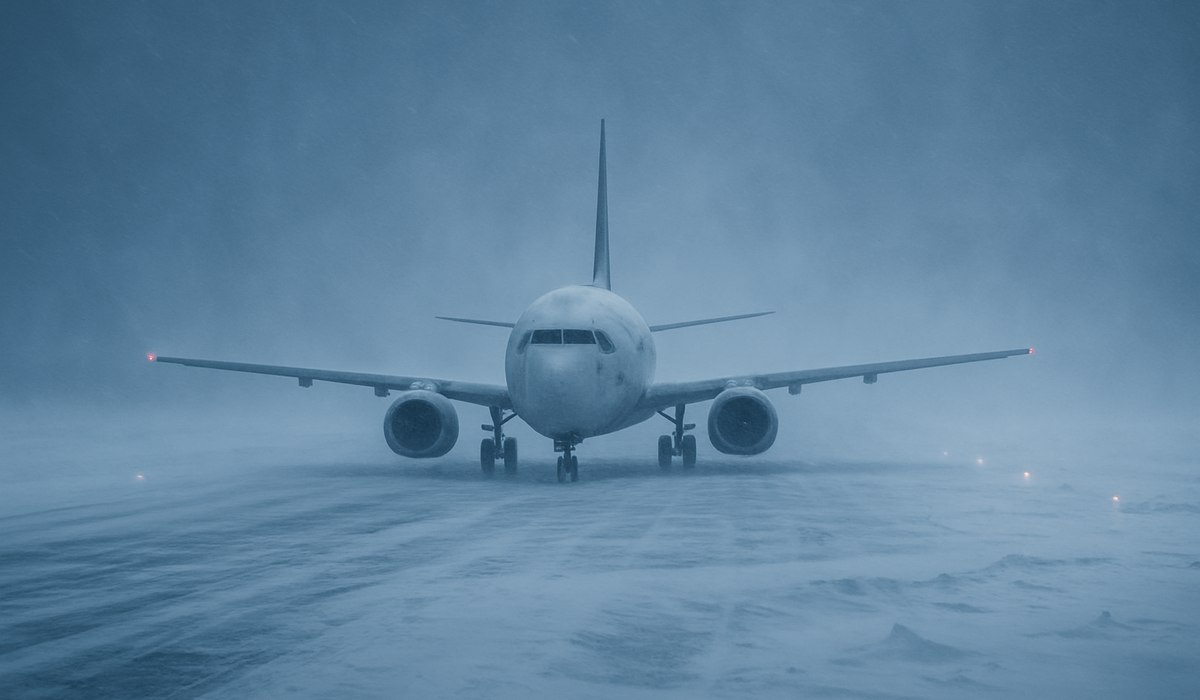
Image generated by AI
Emergency Diversion Triggers Extended Disruption
British Airways flight BA195 encountered an unexpected crisis on March 31, 2026, when it diverted to Gander International Airport in Newfoundland, Canada, mid-Atlantic crossing. The aircraft, carrying 260 passengers bound for Houston from London Heathrow, was forced to land due to a medical emergency affecting one passenger. What began as a routine emergency response became a prolonged nightmare when engineers discovered a technical fault preventing the aircraft from continuing its journey. This diversion leaves passengers in an extraordinarily challenging position: stranded at a remote Canadian airport in sub-zero temperatures without immediate access to their belongings or clear information about onward travel.
The combination of medical emergency and mechanical failure created a perfect storm that aviation operations teams rarely encounter. Gander, situated on the eastern coast of Newfoundland, handled the unexpected influx of international travelers with limited resources typically available for such extended disruptions. The airport, historically known as a transatlantic refueling stop, possessed insufficient infrastructure to accommodate a major widebody diversion for nearly two consecutive days. Passengers faced the dual challenge of geographic isolation and harsh environmental conditions that complicated every aspect of their care and recovery.
Passengers Report Long Waits and Difficult Conditions
Firsthand accounts describe harrowing experiences as the diversion leaves passengers struggling against freezing temperatures and prolonged uncertainty. During the extended 48-hour wait, most travelers were distributed among local hotels in Gander, though the accommodation process was slow and initially disorganized. British Airways struggled to coordinate housing, meals, and transportation between the airport and lodging facilities while simultaneously arranging alternative flight arrangements back onto the Houston route.
The most distressing aspect for many travelers centered on restricted luggage access. Checked baggage remained inaccessible throughout most of the disruption, leaving passengers without winter clothing appropriate to Newfoundland's harsh climate, essential medications, and personal comfort items. Families with young children faced particular hardship, as did elderly passengers and those with medical requirements. Business travelers confronted the prospect of missing critical meetings with only carry-on belongings. Internet connectivity limitations at the airport and hotels compounded the isolation, preventing real-time communication with employers, family members, and other stakeholders waiting for updates about arrival times.
Temperature readings during the incident fell to approximately minus-8°C (18°F) with wind chill factors making outdoor exposure genuinely dangerous. Passengers described huddling in airport terminal areas, some sleeping in uncomfortable chairs while awaiting news from airline representatives. The psychological toll of extended uncertainty, combined with physical discomfort and environmental stress, created mounting frustration that officials acknowledged through subsequent passenger communications.
What Went Wrong: Medical Emergency and Technical Issues
The sequence of events reveals how rapidly long-haul operations can deteriorate when multiple crises overlap. At approximately 10 hours into the transatlantic flight, medical personnel identified a passenger requiring immediate medical attention and intervention beyond what the aircraft could provide. Following established protocols, pilots notified air traffic control of the medical emergency and diverted to the nearest suitable airport with adequate medical facilities, which was Gander.
Upon landing, medical teams addressed the passenger's condition, stabilizing them for ground-based care. However, during initial turnaround inspections, maintenance technicians identified a technical fault affecting the aircraft's continued airworthiness. Rather than risk passenger safety by attempting continuation to Houston, British Airways made the conservative operational decision to keep the aircraft grounded pending comprehensive engineering assessment and repairs.
The technical issue proved more complex than initial evaluations suggested. Sourcing replacement components to a remote Canadian airport proved time-consuming, requiring coordination across multiple suppliers and logistics networks designed primarily for major international hubs. British Airways maintenance teams, the airport's limited ground handling capabilities, and component availability constraints created compounding delays that extended the grounding period to nearly two full days.
Lessons for Long-Haul Operations and Passenger Support
This incident illustrates critical vulnerabilities in long-haul flight operations when diversions occur to secondary airports lacking major carrier infrastructure. Aviation safety experts acknowledge that medical emergencies are legitimate, unavoidable reasons for diversions that prioritize human life over operational schedules. However, the subsequent technical complication exposed gaps in contingency planning for extended ground stops at remote locations.
Industry analysts emphasize that carriers operating transatlantic routes should maintain pre-positioned spare parts and maintenance capabilities at strategic diversion airports, particularly those that are geographically essential for North Atlantic operations. Gander's historical role as a refueling stop positioned it as an emergency diversion point, yet modern operational support infrastructure had not scaled accordingly.
For passengers, this incident reinforces the importance of comprehensive travel insurance that covers accommodation, meals, and alternative transportation during involuntary diversions. While EU regulations provide statutory compensation for delays exceeding three hours on protected routes, North Atlantic routes over international waters present more complex legal frameworks. British Airways' voluntary compensation (travel vouchers and meal/hotel cost coverage) exceeded minimum legal obligations, yet passengers report feeling the response was reactive rather than proactively communicative.
Going forward, airlines operating long-haul services should implement mandatory passenger communication protocols ensuring updates at least every 2-3 hours during extended ground stops, together with advance information about luggage access procedures and accommodation details. The diversion leaves passengers vulnerable primarily when information becomes scarce, creating anxiety that compounds physical discomfort.
Key Facts and Timeline
| Aspect | Details |
|---|---|
| Flight Designation | British Airways BA195 |
| Route | London Heathrow to Houston |
| Diversion Location | Gander International Airport, Newfoundland, Canada |
| Incident Date | March 31, 2026 |
| Passengers Affected | 260+ travelers |
| Diversion Duration | Approximately 48 hours |
| Precipitating Factors | Medical emergency + technical fault |
| Environmental Conditions | Sub-zero temperatures (approximately -8°C / 18°F) |
| Luggage Access | Severely restricted throughout disruption |
| Airline Response | Hotel accommodation, meals covered; travel vouchers issued |
| Distance to Destination | Approximately 1,400 miles remaining to Houston |
What This Means for Travelers
For passengers considering transatlantic flights, this incident provides five critical takeaways:
-
Purchase Comprehensive Travel Insurance – Standard policies should include coverage for accommodation, meals, and rebooking during involuntary diversions lasting beyond six hours. Medical travel insurance is essential for passengers with ongoing health conditions.
-
Pack Essential Medications in Carry-On Baggage – Never rely on checked luggage for prescriptions, medical devices, or time-sensitive health products. Diversions can restrict luggage access for extended periods.
-
Maintain Digital Communication Redundancy – Ensure your mobile phone is fully charged, download offline maps of potential diversion airports, and have email contacts for airlines, employers, and family members saved locally rather than relying on cloud access.
-
Understand Your Rights Under Different Regulatory Frameworks – North Atlantic diversions may fall outside EU261 regulations. Research your specific route's applicable compensation standards before booking.
-
Request Real-Time Updates Proactively – When disruptions occur, don't wait for airline announcements. Contact airline customer service directly, request specific timelines for resumed travel, and ask about luggage access procedures immediately.
Frequently Asked Questions
What are my legal rights when a diversion leaves passengers stranded?
Compensation rights depend on the route and regulatory jurisdiction. EU261 regulations provide protections for EU/UK/Norway departures, typically offering €250-€600 compensation for delays exceeding three hours. However, diversions due to medical emergencies may qualify as "extraordinary circumstances" limiting airline liability. North Atlantic routes have less standardized protections, making travel insurance critical.
**Why couldn't passengers access their checked luggage during the di
Disclaimer
This article is for informational and educational purposes only. It does not constitute legal, financial, or professional advice. While we strive to provide accurate and up-to-date information, travel policies, regulations, and conditions change rapidly. Always verify information with official sources before making travel decisions. Nomad Lawyer makes no representations about the accuracy, reliability, completeness, or suitability of the information provided. Readers should consult qualified professionals for advice specific to their circumstances. The views expressed in this article are those of the author and do not necessarily reflect the views of Nomad Lawyer.
Preeti Gunjan
Contributor & Community Manager
A passionate traveller and community builder. Preeti helps grow the Nomad Lawyer community, fostering engagement and bringing the reader experience to life.
Learn more about our team →