
Denver Airport Chaos: 517 Flights Delayed, 1 Canceled as United, Southwest, Delta Disrupted July 2026
Denver International Airport grinds to halt with 517 flight delays and one cancellation affecting United, Southwest, Delta, American, and Frontier across domestic and international routes.

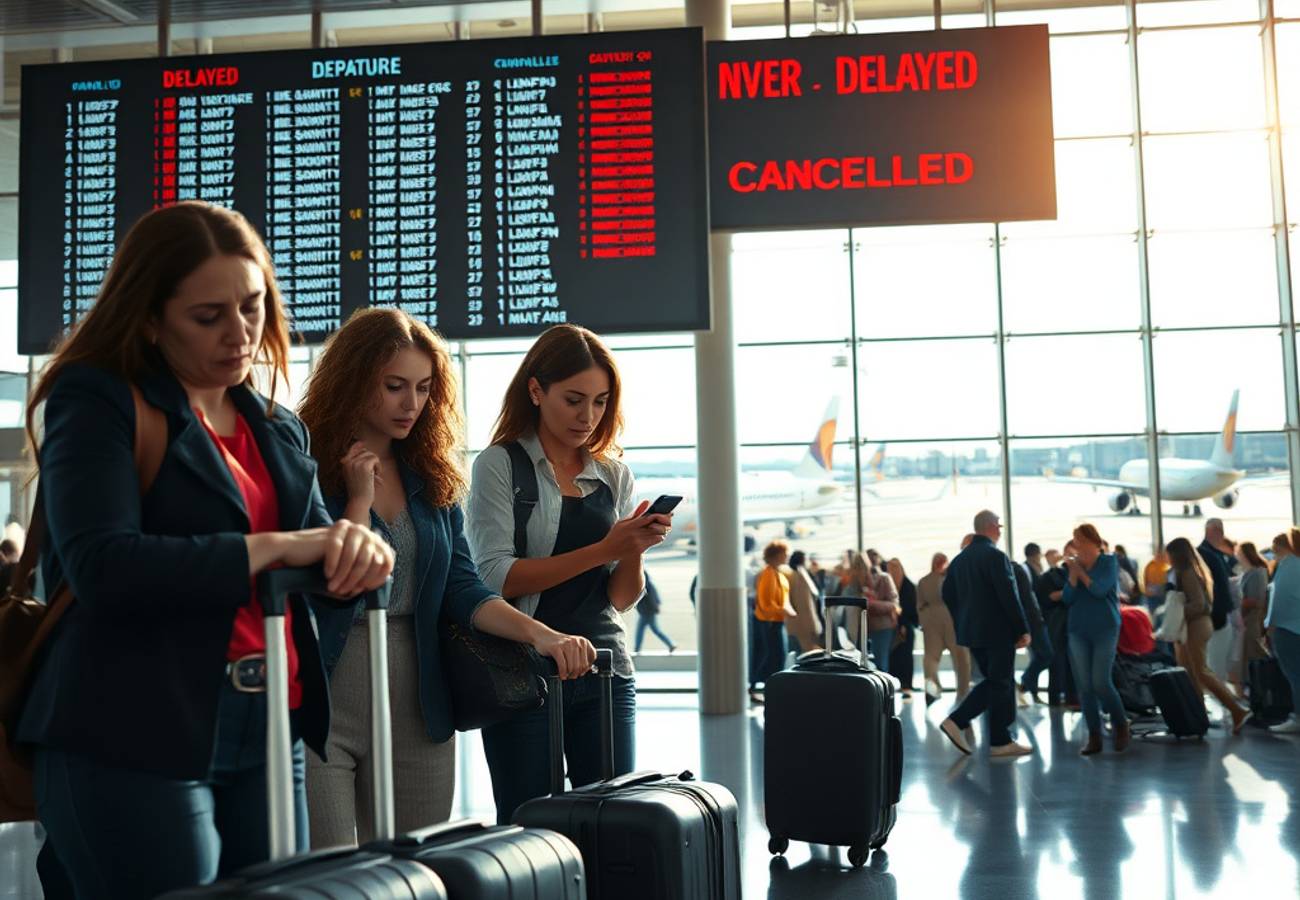
Image generated by AI
When One of America's Busiest Hubs Grinds to a Halt
Denver International Airport (DEN) erupted into controlled chaos on July 1, 2026, as 517 flights experienced delays and one flight was canceled, creating a cascade of disruptions that rippled across the entire North American aviation network.
The numbers alone paint a sobering picture. Thousands of passengers—business travelers, families heading to summer destinations, international visitors—found themselves refreshing airline apps, monitoring gate changes, and mentally recalculating connection times. Yet what started as a single day of operational turbulence revealed something far more profound about modern aviation: how fragile our interconnected flight system truly is.
The Scale of Disruption
Unlike catastrophic cancellation events that leave passengers stranded for days, delay-heavy operations technically keep planes moving. But don't mistake that for small-scale disruption.
517 delayed flights means aircraft rotations are destroyed. Crew schedules crumble. Gate assignments become musical chairs. And when you're operating one of North America's busiest hubs—handling thousands of aircraft movements daily—even "minor" delays compound exponentially across your network.
Reddit: "I was supposed to be in Chicago by 2 PM. Landed in Denver at 3:15. Missed my connection. The gate agent said there were cascading delays all afternoon." — r/travel
Denver's geographic centrality makes it far worse. Flights arriving late continue departing late. A delayed arrival from Los Angeles becomes a delayed departure to New York. The domino effect spreads from Chicago to Los Angeles, from Las Vegas to London, from Frankfurt to Tokyo and Mexico City.
Why Denver Is Ground Zero for Aviation Chaos
Denver International Airport isn't just another major hub—it's a critical nerve center in the western U.S. aviation system. The airport's extensive runway infrastructure was designed specifically to handle capacity and maintain operational resilience, yet even world-class infrastructure has limits.
The airport's location near the Rocky Mountains creates unpredictable weather patterns that can shift within minutes. Thunderstorms, gusty winds, hail, and sudden visibility reductions are seasonal realities that air traffic controllers must navigate constantly. During peak travel periods, passenger demand places relentless pressure on gate availability, ground services, and airline coordination.
According to FAA operational guidelines, delays may result from weather, traffic management initiatives, runway operations, staffing considerations, or safety-related protocols. The agency emphasizes that operational advisories change throughout the day as conditions shift.
What Actually Caused the Cascading Delays?
The official cause wasn't detailed in initial reports, but the usual suspects lurked in the background.
Weather remains the primary culprit at Denver. Rapidly changing atmospheric conditions near the Rockies frequently necessitate temporary reductions in airport capacity. When that happens, air traffic management initiatives—ground delays, flow restrictions, temporary speed reductions—become essential to maintain safe separation between aircraft.
Heavy passenger volume during July travel season compounds these issues. The summer months generate peak demand across most U.S. airports, straining gate capacity, ground services, and airline crew availability simultaneously.
The Passenger Experience: Lessons in Modern Air Travel
For travelers actually caught in the disruptions, the day became an involuntary masterclass in aviation resilience and personal patience.
Families watched their vacation departure windows slip away. Business travelers faced missed meetings and rescheduled calls. Connecting passengers became acutely aware that their fate depended on whether ground crews could physically turn aircraft fast enough between flights.
The silver lining? Only one cancellation was recorded. That relatively low cancellation rate meant airlines continued actual passenger movement, even if schedules deteriorated.
How Airlines Recover from Network Collapse
When disruptions hit, airlines activate their recovery playbooks. Aircraft repositioning begins—moving planes to where they're needed most. Crew schedules adjust on the fly. Departure sequences shift to minimize further cascading delays.
Because aircraft typically operate multiple flights daily, morning delays continue bleeding into afternoon and evening operations. Airlines may offer alternative routing to flexible passengers, essentially trading direct flights for connections if it gets people to their destinations faster.
The FAA's traffic management system constantly monitors national airspace to balance safety and efficiency, implementing restrictions when necessary and relaxing them as conditions improve.
Your Action Plan If You're Flying Denver This Week
Check flight status before leaving home. Don't assume departure times are accurate—verify through your airline's official app or website.
Arrive early and stay flexible. Build 30-45 extra minutes into your arrival time, especially during high-demand periods. Gate assignments change rapidly during disruptions.
Monitor airline notifications constantly. Download mobile boarding passes. Enable push notifications. Know your airline's rebooking procedures beforehand.
Pack essentials in carry-on baggage. Medications, chargers, medications, and critical documents should never ride in checked luggage during uncertain travel days.
Have backup routing options ready. If you're flying through Denver on a tight connection, know alternative airports that could serve as backups.
The Broader Aviation Lesson
The 517-flight delay event at Denver serves as another data point in an increasingly common pattern: our aviation system operates at remarkable efficiency most of the time, but it operates with almost no buffer for disruption.
Efficiency and resilience exist in tension. The industry has optimized for cost and speed, which means weather, staffing issues, or air traffic management initiatives can now cascade across multiple time zones within hours.
This isn't a criticism of airlines or the FAA—it's the mathematical reality of a network that moves 45,000+ flights daily across North American airspace.
For nomadic professionals, digital workers, and frequent travelers, the lesson is uncomfortable but clear: build flexibility into your schedules. That extra four-hour layover you thought was wasteful? It might have been your only buffer against missing an international connection.
Modern air travel rewards the prepared and punishes the optimistic.
Related Travel Guides
Disclaimer
This article is for informational and educational purposes only. It does not constitute legal, financial, or professional advice. While we strive to provide accurate and up-to-date information, travel policies, regulations, and conditions change rapidly. Always verify information with official sources before making travel decisions. Nomad Lawyer makes no representations about the accuracy, reliability, completeness, or suitability of the information provided. Readers should consult qualified professionals for advice specific to their circumstances. The views expressed in this article are those of the author and do not necessarily reflect the views of Nomad Lawyer.
Preeti Gunjan
Contributor & Community Manager
A passionate traveller and community builder. Preeti helps grow the Nomad Lawyer community, fostering engagement and bringing the reader experience to life.
Learn more about our team →