
St Vincent Grenadines Luxury Tourism Eco Travel Development
St. Vincent and the Grenadines expands luxury eco-tourism, integrating sustainable boutique resorts, volcanic adventures, and private island hopping in 2026.

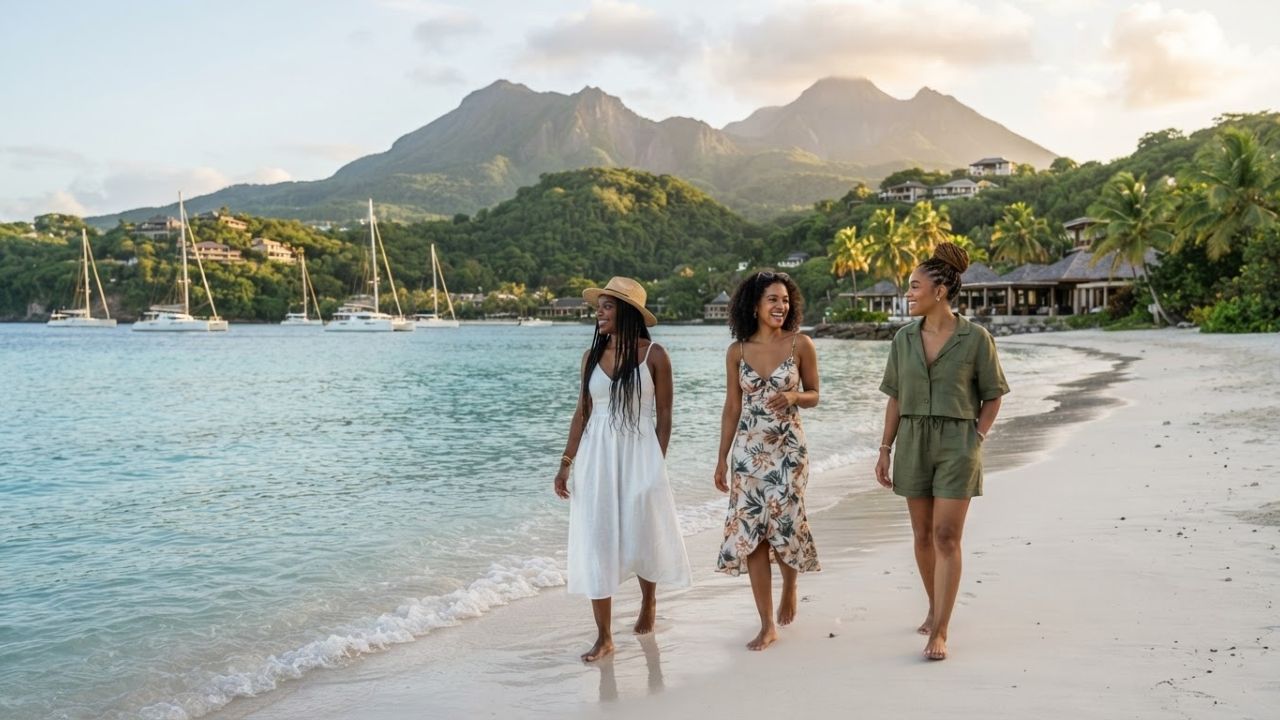
Image generated by AI
How St. Vincent and the Grenadines is Redefining Caribbean Luxury Travel Through Eco-Resorts and Marine Sanctuaries in 2026
St. Vincent and the Grenadines is experiencing a significant shift in luxury tourism, pairing high-end private island retreats with low-impact eco-adventures. This emerging travel model blends volcanic hiking, sailing corridors, and marine conservation, offering an authentic alternative to crowded Caribbean hotspots.
The Local Trend Revealed
The southern Caribbean archipelago of St. Vincent and the Grenadines is positioning itself as a premier destination for low-density, high-value luxury travel. By prioritizing boutique resorts and ecological preservation over mass-market cruise ship infrastructure, the nation is attracting international travelers seeking seclusion and outdoor adventure.
Development is focused around distinct islands that offer varying travel styles. For example, Canouan appeals to premium travelers with high-end villa retreats and private white-sand beaches, while Bequia retains its traditional boatbuilding heritage and maritime charm with locally owned waterfront inns. Mustique continues to operate as an exclusive private island destination, preserving low-density zoning and natural landscapes.
Cultural & Environmental Value (Information Gain)
According to guidelines from the St. Vincent and the Grenadines Tourism Authority, new developments are required to implement water desalination plants, solar energy grids, and strict waste management systems to reduce the environmental footprint on fragile island ecosystems.
Community-focused programs play an essential role in this tourism model. A portion of resort fees and national park permits is funneled directly into local conservation organizations, supporting initiatives like the Tobago Cays Marine Park sanctuary, which protects nesting sea turtles, vibrant coral reefs, and local fishing nurseries.
Hiring local guides for land adventures, such as the challenging trek up the La Soufrière active volcano or walks through the lush Vermont Nature Trail, ensures that tourism spending supports rural interior communities rather than just coastal enclaves.
Grenadines Island Development Matrix
| Island / Sanctuary | Primary Appeal | Eco-Tourism & Community Initiative |
|---|---|---|
| St. Vincent (Main Island) | Volcanic adventure & rainforest hikes | Local guide training programs; La Soufrière conservation |
| Bequia | Sailing culture & boutique lodging | Heritage boatbuilding preservation; local inn support |
| Canouan | Premium resort retreats | Desalination projects; low-density zoning standards |
| Mustique | Private island exclusivity | Solar energy grids; restricted development footprints |
| Tobago Cays | Marine sanctuary & snorkeling | Turtle nesting protection; marine park fee collection |
Visitor Insider Tips
To make the most of your trip and travel responsibly, keep these local recommendations in mind:
- Optimal Travel Window: Plan visits during the shoulder season from May to June to avoid the winter peak crowd and secure better rates at local boutique hotels.
- ** Tobago Cays Access**: Always hire registered water taxi operators from Union Island or Bequia to ensure that marine park entry fees are collected and sent to official conservation funds.
- Local Culinary Highlights: Sample roasted breadfruit with jackfish at open-air seaside taverns in Kingstown to experience authentic Vincy culinary heritage while supporting local fishermen.
- Leave No Trace: When snorkeling near coral gardens, use reef-safe sunscreens and avoid anchoring boats on live reefs.
Tourism Outlook
The expansion of international flight corridors at Argyle International Airport has resolved the historical transit bottleneck, allowing direct long-haul arrivals while maintaining strict caps on regional resort capacities.
By balancing high-end hospitality with ecological preservation, St. Vincent and the Grenadines is establishing a resilient tourism economy that protects its natural marine and volcanic assets for future generations.
FAQ: Grenadines Eco-Tourism
What makes St. Vincent and the Grenadines unique compared to other Caribbean destinations?
The destination combines high-end luxury resorts with rugged volcanic hiking and marine sanctuaries, avoiding mass-market overcrowding through low-density zoning.
How does tourism support the local economy?
Visitor fees and permits fund community conservation programs, and travelers are encouraged to hire local guides for rainforest and volcano hikes.
When is the best time to visit?
The shoulder season of May to June offers a balanced climate with fewer visitors and lower lodging rates.
Related Travel Guides
- US Passport Ranking Drops to 10th Place in 2026 Henley Passport Index: 36 Countries Now Offer More Freedom
- How 'Selfie Tourism' is Redefining Global Travel Patterns in New York, Orlando, and Beyond in 2026
- India Travel Breakthrough As Delhi Varanasi High Speed Rail Plan Targets Faster Under 4 Hour Connectivity
Disclaimer
This article is for informational and educational purposes only. It does not constitute legal, financial, or professional advice. While we strive to provide accurate and up-to-date information, travel policies, regulations, and conditions change rapidly. Always verify information with official sources before making travel decisions. Nomad Lawyer makes no representations about the accuracy, reliability, completeness, or suitability of the information provided. Readers should consult qualified professionals for advice specific to their circumstances. The views expressed in this article are those of the author and do not necessarily reflect the views of Nomad Lawyer.
Kunal K Choudhary
Co-Founder & Contributor
A passionate traveller and tech enthusiast. Kunal contributes to the vision and growth of Nomad Lawyer, bringing fresh perspectives and driving the community forward.
Learn more about our team →