
How Denmark is Promoting Sustainable Transit and Cycling Infrastructure Amid European Biometric Border Queue Delays in 2026
As EU biometric border checks introduce arrival delays, Denmark encourages tourists to use green transit options like cycling and electric rail networks in 2026.

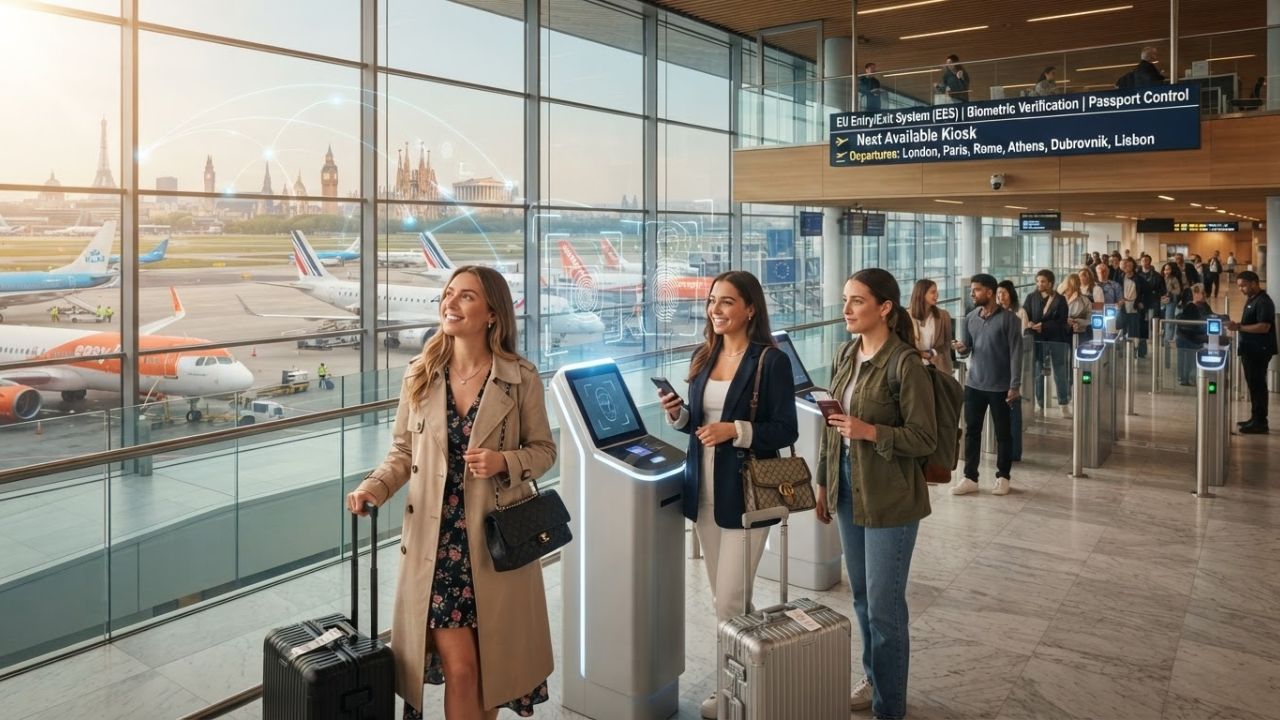
Image generated by AI
How Denmark is Promoting Sustainable Transit and Cycling Infrastructure Amid European Biometric Border Queue Delays in 2026
Denmark is urging international visitors to utilize its carbon-neutral electric rail and urban cycling networks to streamline transit and reduce environmental impact after the implementation of the European Union's Entry/Exit System.
The Local Trend Revealed
The Entry/Exit System (EES) became operational on 10 April 2026 across 29 European countries, introducing digital registration procedures at Schengen border crossings. Non-EU visitors, including British tourists, must register their fingerprints, facial images, and passport details when crossing external Schengen borders. While this digital registration remains valid for three years, the initial registration process at ports of entry, such as Copenhagen Airport, has led to longer immigration queues.
Under EES regulations, children aged 11 or younger are exempt from providing fingerprints, though their facial images are still recorded. The new digital check enforces the standard Schengen tourist limit of 90 days within any rolling 180-day period. Because travelers from outside the Schengen zone face these checks, queues are particularly concentrated during overlapping flight arrivals. To help visitors manage these arrival delays, Denmark is promoting its green infrastructure, encouraging travelers to use carbon-neutral electric trains and bike-rental systems to travel from the airport directly into urban centers.
Cultural & Environmental Value (Information Gain)
To offset the environmental footprint of air travel and potential airport delays, Danish tourism departments are encouraging green travel alternatives. Recommended by VisitDenmark (Danish National Tourism Organisation) and the Danish Ministry of Foreign Affairs, these programs focus on regional environmental sustainability.
Rather than relying on fossil-fuel airport transfers, travelers can access Copenhagen's electric metro system or hire cargo bicycles directly outside major terminals. By staying in Green Key certified eco-hotels, dining at organic restaurants, and using the Copenhagen Card to travel on zero-emission electric buses, visitors support Denmark's target to achieve carbon neutrality. A portion of local tourism taxes is also used to expand municipal cycling lanes and protect public parks, ensuring that tourism directly benefits the local economy and urban environment.
Visitor Insider Tips
For travelers arriving at Copenhagen Airport under the EES border framework, these local tips will help you navigate transit and enjoy Denmark's heritage.
- Off-Peak Visit Window: Plan your trip during the shoulder months of May or September to experience pleasant weather and avoid the peak summer crowds. Alternatively, visit from January to March to enjoy the local cozy "hygge" culture when hotel rates are lowest.
- Observe Bike Path Rules: Copenhagen is a cycling-centric city. Always stay in designated bike lanes, keep to the right, and use hand signals before stopping or turning. Never walk on bike paths or ride on pedestrian sidewalks.
- Try Traditional Open-Faced Sandwiches: Visit local food markets to sample Smørrebrød (traditional open-faced rye bread topped with pickled herring, roast beef, or organic eggs). Pair it with regional craft beers or traditional snaps.
- Explore Assistens Cemetery: Visit this peaceful public park in the Nørrebro neighborhood, which serves as the burial place of writer Hans Christian Andersen and philosopher Søren Kierkegaard.
- Utilize the "Pant" Recycling System: When buying bottled beverages, check for the "Pant" recycling label (A, B, or C). Return empty cans and plastic bottles to automated deposit machines at local grocery stores to reclaim your deposit cash.
Tourism Outlook
European border authorities are preparing for the next phase of digital transit with the European Travel Information and Authorisation System (ETIAS). While ETIAS was not accepting applications on 21 July 2026, it is scheduled to launch in the final quarter of 2026, requiring visa-exempt visitors to obtain digital authorization for a planned fee of €20. As Denmark integrates EES and ETIAS into its arrivals flow, the country's investment in electric public transit and cycling routes will serve as a model for sustainable travel, helping visitors transition from international airport queues to green urban routes.
Related Travel Guides
Disclaimer
This article is for informational and educational purposes only. It does not constitute legal, financial, or professional advice. While we strive to provide accurate and up-to-date information, travel policies, regulations, and conditions change rapidly. Always verify information with official sources before making travel decisions. Nomad Lawyer makes no representations about the accuracy, reliability, completeness, or suitability of the information provided. Readers should consult qualified professionals for advice specific to their circumstances. The views expressed in this article are those of the author and do not necessarily reflect the views of Nomad Lawyer.
Kunal K Choudhary
Co-Founder & Contributor
A passionate traveller and tech enthusiast. Kunal contributes to the vision and growth of Nomad Lawyer, bringing fresh perspectives and driving the community forward.
Learn more about our team →