
How the 2026 Ebola Outbreak in Ituri Province is Redefining Bio-Secure Conservation Travel and Community Forest Preservation in the Democratic Republic of the Congo
The 2026 Ebola outbreak in Ituri Province forces a shift toward strict bio-secure conservation travel and community forest protection in the DR Congo.

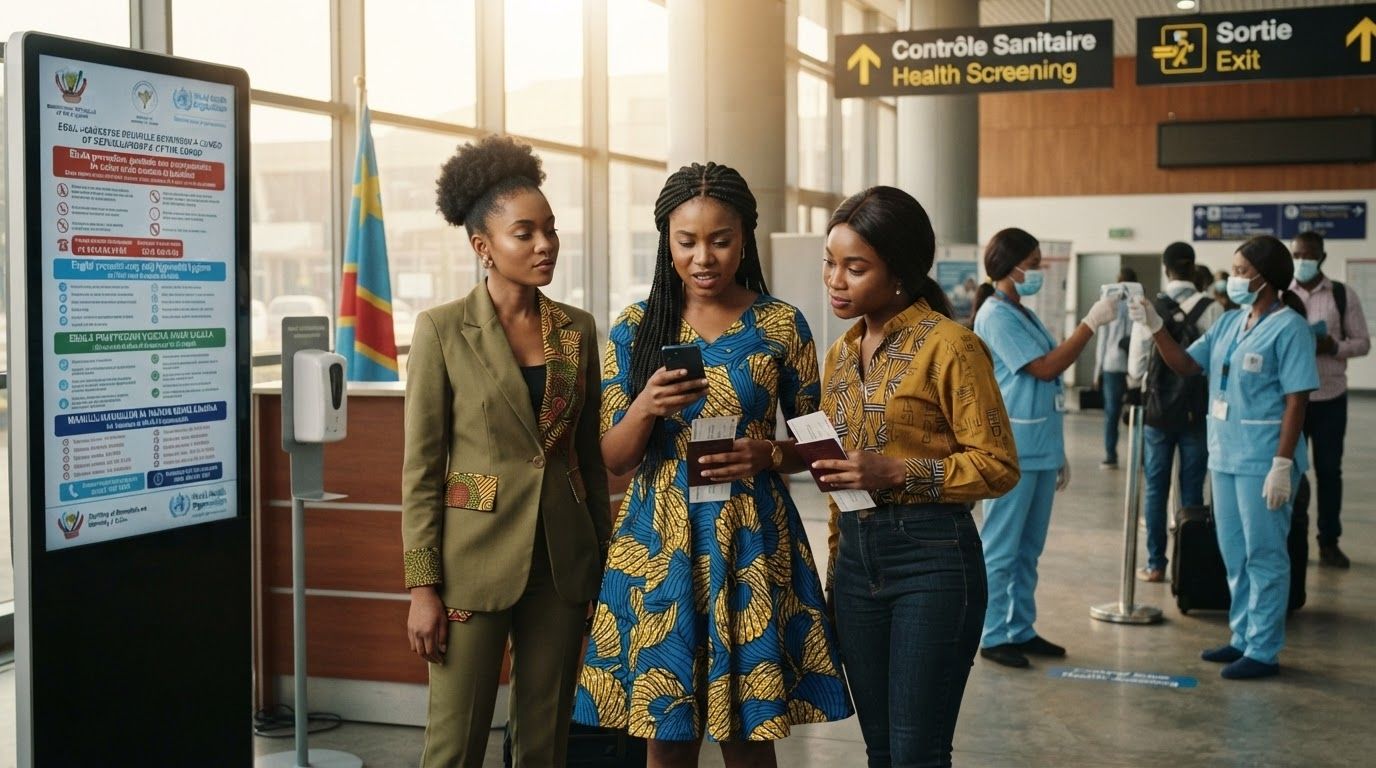
Image generated by AI
Published on July 13, 2026
As travelers prioritize conservation-led adventures, the Democratic Republic of the Congo is restructuring its community ecotourism networks with enhanced bio-secure protocols. However, the recent Ebola Bundibugyo virus disease outbreak in the Ituri Province highlights the ongoing health challenges affecting local travel and rainforest preservation in 2026.
The intersection of wildlife protection and global health alerts has come to the forefront of international travel planning. A significant health advisory issued by the U.S. Embassy in Kinshasa warns travelers of the active Ebola Bundibugyo virus disease outbreak in the Ituri Province of the Democratic Republic of the Congo (DRC). While conservation advocates have been working to establish the region as a destination for sustainable community ecotourism, this public health development serves as a reminder of the operational volatilities in Central Africa. As of July 11, 2026, the official guidance remains clear: all travel to the DRC is strongly discouraged due to the transmission risks of this infectious disease.
The Local Trend Revealed
Over the past few years, the Democratic Republic of the Congo has experienced a notable shift toward community-led conservation travel. Instead of traditional luxury safaris, local communities and regional organizations have been developing low-impact, high-value travel programs designed to fund primary rainforest preservation and support local livelihoods. These initiatives focus on giving visitors direct access to community-managed forests while ensuring that the revenue generated goes directly into village infrastructure, ranger salaries, and anti-poaching operations. Travelers are increasingly drawn to these programs because they offer a transparent way to support regional development and protect endangered wildlife.
This sustainable travel shift is now facing a major test. The emergence of the Ebola Bundibugyo virus strain in Ituri Province has forced regional coordinators to implement strict bio-security measures. Rather than shutting down conservation sites entirely, local forestry teams are attempting to integrate strict health-monitoring protocols. These measures include mandatory temperature screenings, sanitization stations at forest entry points, and contact tracing. The goal is to build a resilient framework that can survive localized health crises without cutting off the vital economic lifeline that community travel provides to remote villages.
However, the reality of the outbreak has led to a coordinated response from international bodies. The Centers for Disease Control and Prevention (CDC) has raised its warnings, and the U.S. Embassy has maintained its firm stance against entry into the region. The high mortality rate associated with the Bundibugyo strain, combined with the complex logistical challenges of delivering medical care in remote areas, makes travel highly risky. For the community-led model to endure, local networks must show that their bio-secure systems can effectively manage transmission risks while maintaining local operations.
Cultural & Environmental Value (Information Gain)
The growth of community conservation in the DRC is deeply tied to protecting the country's rich biodiversity and supporting its rural populations. In provinces like Mai-Ndombe and parts of the eastern highlands, community forest concessions allow local villages to manage their ancestral lands. By partnering with organizations like the DRC Ministry of Tourism and regional conservation associations, these communities protect key habitats for species such as the bonobo and mountain gorilla. The income generated from small groups of researchers and conservation travelers has historically funded schools, clean water wells, and community health centers. For example, projects like the Picbou (Projet intégré de conservation des bonobos de l'ouest) demonstrate how sustainable local governance can successfully protect ecosystems.
When health alerts halt travel, the environmental consequences are immediate. Without the economic support provided by conservation travel, local communities face pressure to return to extractive activities, such as logging, charcoal production, and subsistence hunting. The current Ebola outbreak in Ituri Province threatens to disrupt the delicate balance between community income and forest preservation. In response, local conservation groups are emphasizing the need for direct financial support to rangers and community forest guards, ensuring that conservation efforts do not collapse during travel downturns.
Furthermore, these community forestry projects play an important role in global climate action. The Congo Basin is one of the world's largest carbon sinks, and keeping these forests intact is essential for regional and global environmental health. By establishing bio-secure corridors and proving that local communities can safely manage their resources even during public health emergencies, the DRC is working to create a blueprint for resilient, community-led forest protection that respects local customs and preserves biodiversity.
Visitor Insider Tips
For travelers monitoring the situation or planning future conservation trips to the DRC, understanding the local context and safety protocols is essential:
- Understand the Health Protocols: The Ebola Bundibugyo strain does not have a widely approved vaccine, making prevention critical. If you must travel to unaffected regions of the DRC, avoid contact with wild animals, raw meat, and anyone showing symptoms of illness.
- STEP Enrollment: Immediately register in the Smart Traveler Enrollment Program (STEP) to receive real-time updates directly from the U.S. Embassy in Kinshasa. This is a crucial step for maintaining communication with consular services.
- Strict Insurance Review: Standard travel insurance plans rarely cover medical evacuation for infectious diseases. Secure specialized medical evacuation coverage before planning any travel to Central Africa.
- Quarantine Awareness: If exposure is suspected, you may face a mandatory quarantine of up to 21 days outside of the United States. All costs for accommodation, medical care, and specialized transport remain the sole responsibility of the traveler. These measures can lead to significant personal expenses that standard policies do not cover.
- Respect Local Governance: When visiting community forest concessions, always coordinate with local chiefs and guides. Respect the rules of Free, Prior, and Informed Consent (FPIC), and support local economies by purchasing crafts and utilizing community services.
- Dining and Local Specialties: When traveling in safe zones, support local culinary traditions. Try specialties like Liboke (fish cooked in banana leaves) or Saka-Saka (a dish made from cassava leaves), prepared by local vendors to ensure funds go directly to community members.
- Off-Peak Windows: The best time to visit unaffected conservation areas is during the dry seasons, which run from June to August and from December to February. This makes travel easier and supports local guides during their primary operational periods.
Tourism Outlook
The long-term future of travel in the Democratic Republic of the Congo depends on the country's ability to balance conservation goals with health safety. While the 2026 Ebola outbreak in Ituri Province has slowed travel to the eastern regions, it has also accelerated the adoption of digital health tools, community health training, and bio-secure travel protocols. These systems will be vital for rebuilding traveler confidence once the outbreak is successfully contained.
In the coming years, the integration of community-managed health clinics with conservation ranger networks could create a more stable environment for both locals and visitors. By investing in local healthcare infrastructure alongside forest protection, the DRC can show that sustainable travel can help build healthier, more resilient communities. The current challenges in Ituri are a reminder of the work ahead, but the commitment of local communities to protecting their natural heritage remains a strong foundation for the future of ecotourism.
Related Travel Guides
Disclaimer
This article is for informational and educational purposes only. It does not constitute legal, financial, or professional advice. While we strive to provide accurate and up-to-date information, travel policies, regulations, and conditions change rapidly. Always verify information with official sources before making travel decisions. Nomad Lawyer makes no representations about the accuracy, reliability, completeness, or suitability of the information provided. Readers should consult qualified professionals for advice specific to their circumstances. The views expressed in this article are those of the author and do not necessarily reflect the views of Nomad Lawyer.
Kunal K Choudhary
Co-Founder & Contributor
A passionate traveller and tech enthusiast. Kunal contributes to the vision and growth of Nomad Lawyer, bringing fresh perspectives and driving the community forward.
Learn more about our team →