
Delta Flight DL1375 Diverts to Rochester: Inside the Airbus A321 Precautionary Landing That Showcases Modern Aviation Safety
Delta Air Lines Flight DL1375 diverted safely from Atlanta-Syracuse to Rochester on June 18, 2026, after crew detected a precautionary in-flight alert. The controlled diversion highlights FAA safety protocols and modern aircraft monitoring systems protecting passengers.

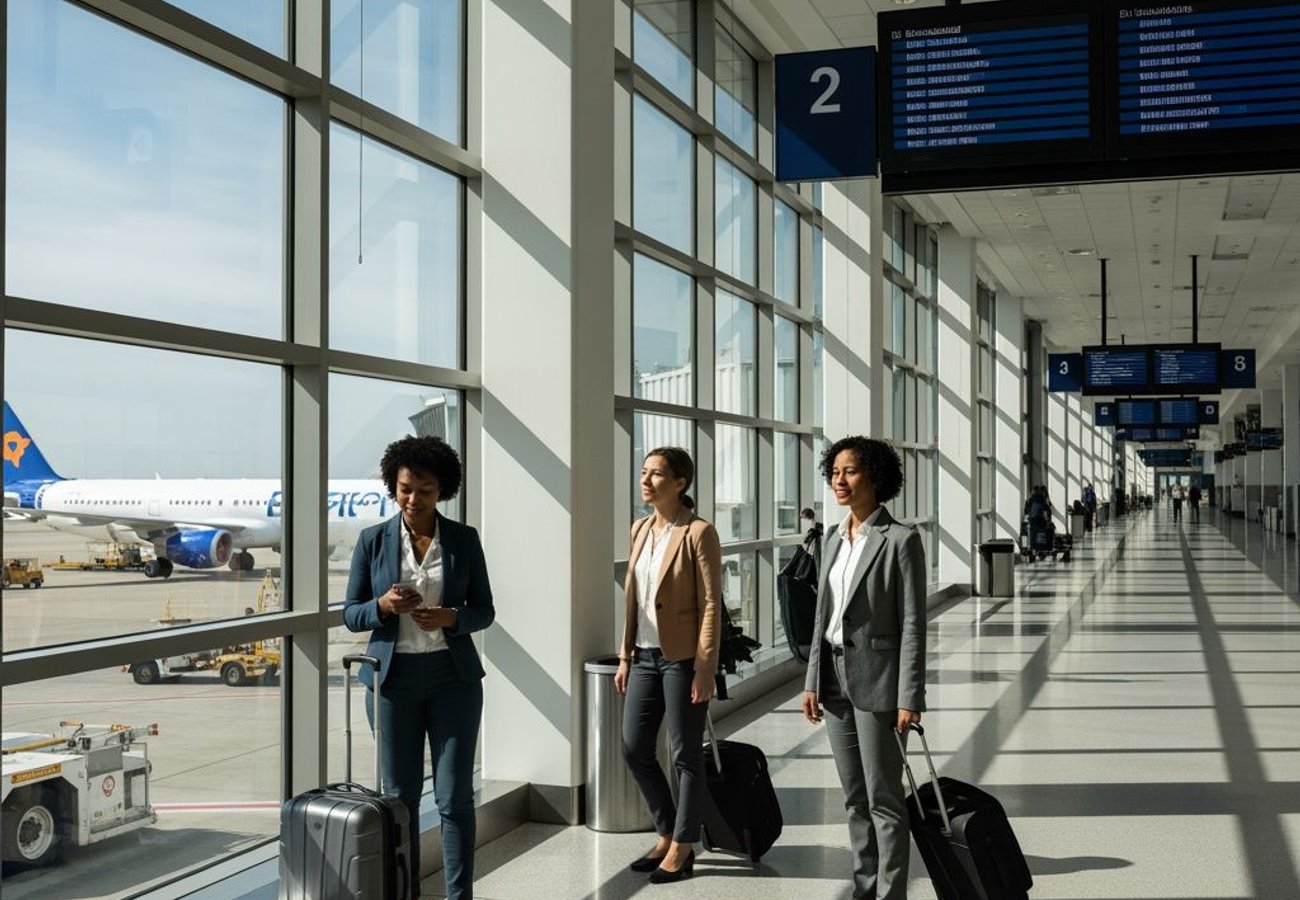
Image generated by AI
A Mid-Flight Alert Changes Everything
On June 18, 2026, a routine flight between two major U.S. cities became a textbook demonstration of modern aviation safety in action. Delta Air Lines Flight DL1375, an Airbus A321 registered as N313DN, was cruising steadily from Atlanta Hartsfield–Jackson International Airport toward Syracuse Hancock International Airport when flight crews detected an in-flight condition requiring immediate attention.
The decision came swiftly: divert to the nearest suitable airport. Within minutes, the aircraft altered course toward Rochester International Airport, executing a controlled landing that would ultimately vindicate the industry's commitment to precautionary safety measures over destination completion.
No passengers were injured. No emergency evacuation was needed. The aircraft landed safely.
Why the Diversion Happened
The exact nature of the in-flight alert remains operationally specific, but according to tracking data from Flightaware and Flightradar, the flight crew identified a system advisory or operational anomaly during cruise phase that warranted immediate evaluation on the ground.
Under FAA safety frameworks, pilots receive rigorous training to respond decisively to cabin irregularities, environmental anomalies, or system alerts by selecting the nearest suitable airport that can safely accommodate their aircraft. This isn't hesitation—it's protocol. It's professional judgment prioritizing passenger and crew safety above all scheduling considerations.
Reddit: "This is exactly what aviation safety looks like. No heroics, no pushing through. Just smart decision-making by trained professionals." — r/aviation
The Airbus A321 features advanced digital monitoring systems that continuously assess engine performance, cabin pressure, avionics integrity, and structural data. When these systems flag even minor irregularities, they trigger pilot notifications designed to catch problems early, before they escalate into genuine emergencies.
The Strategic Choice: Why Rochester?
Rochester International Airport wasn't selected by chance. Its location within the northeastern U.S. air corridor positioned it as the optimal diversion point—close enough for rapid access, far enough to avoid congestion at major hubs like Boston Logan or Atlanta.
From an operational standpoint, regional airports like Rochester offer significant advantages during diversion scenarios. They maintain lower traffic congestion than primary hubs, enabling faster coordination between pilots and air traffic control. Ground services respond more efficiently when aircraft land unexpectedly, and the airport's infrastructure handles Airbus A321 operations under both normal and precautionary conditions.
Delta Air Lines maintains a network of pre-planned alternate airports across its domestic system. These aren't improvised choices made in crisis. They're strategically positioned backup destinations integrated into flight planning from departure. For routes like Atlanta-Syracuse, multiple alternates ensure operational resilience while minimizing passenger disruption.
What This Incident Reveals About Aviation Today
The diversion of Flight DL1375 exposes a critical truth about modern commercial aviation: the industry has fundamentally shifted toward proactive, precautionary safety culture.
Modern airlines prioritize early intervention over route completion. A precautionary diversion isn't viewed as a failure—it's evidence of robust operational oversight. The mentality has changed from "Can we continue?" to "Should we continue?" That distinction saves lives.
Consider the technology involved. The Airbus A321 continuously streams performance data through sophisticated monitoring systems. Pilots receive real-time alerts calibrated to detect anomalies that older aircraft would never have flagged. Rather than hoping problems resolve themselves, modern crews address them head-on.
This approach reflects broader industry trends documented by aviation safety organizations. The FAA's safety management system framework emphasizes predictive risk management over reactive incident response. Airlines invest heavily in training pilots to recognize early warning signs and act decisively.
The Bigger Picture: U.S. Regional Aviation Strength
The safe diversion reinforces the reliability of America's regional aviation infrastructure. Rochester International Airport, while secondary to major hubs, handled the unexpected landing with full operational capability. Air traffic control coordinated seamlessly. Ground crews executed protocols flawlessly.
Such diversions occur regularly across domestic networks—particularly on high-frequency routes like Atlanta-Syracuse where aircraft operate under dynamic weather, traffic, and system monitoring conditions demanding real-time flexibility. Most go unreported because they function exactly as designed: safely, efficiently, invisibly.
The incident confirms that controlled diversions represent the strength of modern aviation safety architecture. Delta Air Lines and the FAA ensure that precautionary landings execute smoothly without compromising passenger wellbeing.
Reddit: "People don't realize how safe flying is because the system works. You never hear about the diversions that prevent actual problems." — r/travel
Final Takeaway
Flight DL1375 landed at Rochester on June 18, 2026, carrying passengers who experienced a brief schedule disruption but zero safety compromise. The crew made the right call. The aircraft performed flawlessly. The airport accepted the diversion without incident.
That's not luck. That's decades of safety investment, regulatory oversight, and professional training working exactly as intended.
Next time your flight diverts unexpectedly, remember: it's probably the safest thing the pilots could have done.
Related Travel Guides
Disclaimer
This article is for informational and educational purposes only. It does not constitute legal, financial, or professional advice. While we strive to provide accurate and up-to-date information, travel policies, regulations, and conditions change rapidly. Always verify information with official sources before making travel decisions. Nomad Lawyer makes no representations about the accuracy, reliability, completeness, or suitability of the information provided. Readers should consult qualified professionals for advice specific to their circumstances. The views expressed in this article are those of the author and do not necessarily reflect the views of Nomad Lawyer.
Raushan Kumar
Founder & Lead Developer
Full-stack developer with 11+ years of experience and a passionate traveller. Raushan built Nomad Lawyer from the ground up with a vision to create the best travel and law experience on the web.
Learn more about our team →