
Akasa Inducts 38th Aircraft as Fleet Expands Seven Planes in 2026
Akasa Air inducted its 38th aircraft in April 2026, adding seven new Boeing 737 MAX 8-200 planes in just four months. The aggressive fleet expansion signals the carrier's commitment to capturing India's surging domestic and international travel demand.

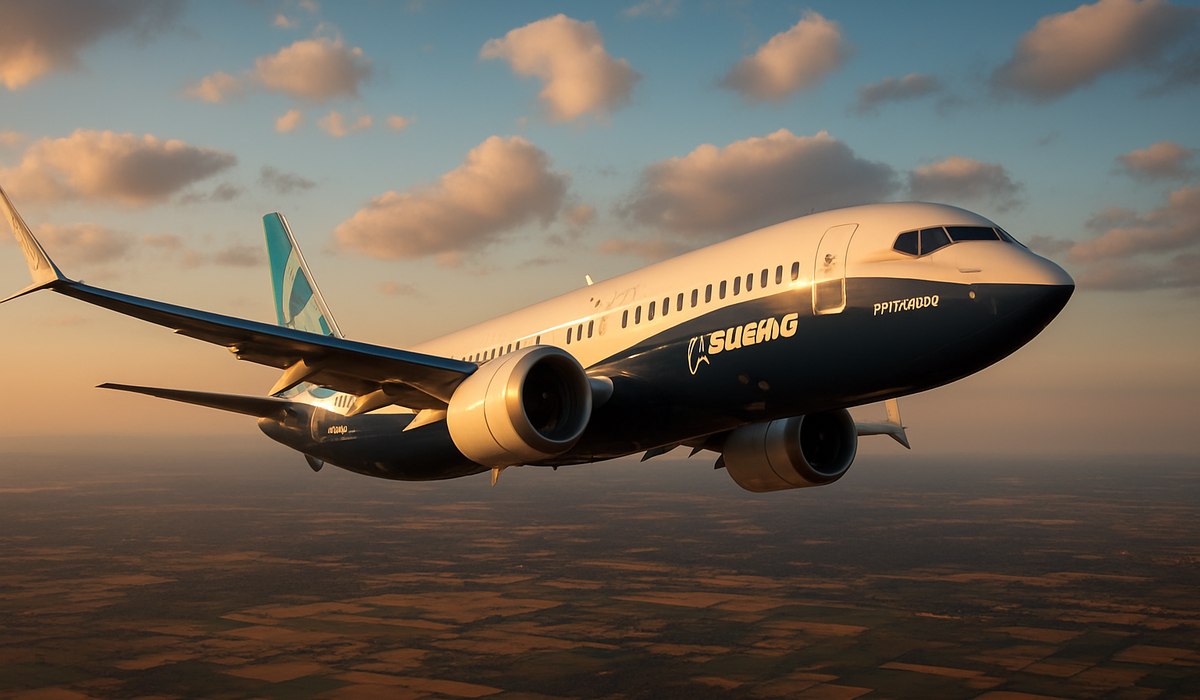
Image generated by AI
Akasa Air Reaches Fleet Milestone with Rapid Aircraft Additions
Akasa Air completed its most aggressive fleet expansion phase in April 2026, inducting its 38th aircraft after a multi-leg international delivery journey to Bengaluru. The newest Boeing 737 MAX 8-200 joined the carrier's growing fleet, representing the seventh aircraft addition in just four months during 2026. This accelerated growth trajectory underscores the budget airline's strategic positioning to capitalize on India's booming travel market, where domestic and international route demand continues climbing at double-digit annual rates.
The rapid aircraft induction cycle reflects Akasa Air's confidence in market fundamentals and passenger appetite for competitive airfares across Indian networks. Since launching operations in 2022, the carrier has pursued an aggressive growth strategy, but the 2026 expansion pace marks a notable acceleration in fleet deployment timelines.
Fleet Expansion Milestone: 38 Aircraft Strong
Akasa Air's journey to 38 operational aircraft demonstrates the airline's ability to scale operations efficiently while managing capital deployment across multiple delivery windows. The carrier operates an all-Boeing 737 MAX family fleet, simplifying pilot training, maintenance scheduling, and spare parts logistics across its growing network.
The expansion strategy aligns with broader trends in Indian aviation, where low-cost carriers have captured significant market share from full-service airlines. Akasa Air's fleet growth directly correlates with network expansion into tier-2 and tier-3 cities, routes previously underserved by incumbent carriers. Each aircraft addition enables the airline to operate additional daily frequencies on popular routes while opening new city pairs across India's vast domestic geography.
Fleet data platforms like FlightAware allow travelers to track specific aircraft registrations and historical operational patterns. Understanding fleet composition helps frequent flyers predict aircraft types on booked flights and anticipate cabin configurations before boarding.
Seven Planes Added in Four Months: Unprecedented Growth Pace
The addition of seven aircraft between January and April 2026 represents an extraordinary acceleration in Akasa Air's fleet induction schedule. Previous expansion phases typically involved three to four aircraft quarterly, making this four-month period a watershed moment for the rapidly growing carrier.
Delivery timelines for commercial aircraft depend on manufacturing completion, regulatory certification, crew training completion, and operational readiness processes. Boeing's 737 MAX 8-200 has achieved robust production rates following the model's return-to-service certification. Akasa Air's ability to induct seven aircraft in four months reflects careful coordination with Boeing's delivery schedule and parallel internal preparations for aircraft integration.
Each aircraft addition translates directly into expanded seating capacity across Akasa Air's route network. With approximately 189 seats in standard configuration, seven new aircraft add more than 1,320 daily capacity seats once fleet-wide utilization reaches industry benchmarks of 10-12 flight hours daily.
Boeing 737 MAX 8-200 Deployment Strategy
The Boeing 737 MAX 8-200 represents Akasa Air's aircraft type of choice for medium-range domestic and emerging international expansion. This narrow-body jet delivers improved fuel efficiency compared to earlier 737 generations while offering extended range capabilities for longer-haul routes that may enter Akasa Air's network in coming years.
The 737 MAX 8-200 features enhanced avionics, continuous descent approach capabilities, and noise reduction technologies that support operations at airport slots with time-of-day restrictions. For Bengaluru, Delhi, and Mumbai airports—three of India's most congested aviation hubs—these operational efficiencies provide competitive advantages during peak travel windows.
Akasa Air's standardized fleet composition reduces pilot cross-training costs, since all aircraft share common type-rating qualifications. Mechanics benefit from identical technical specifications, maintenance manuals, and component compatibility across the fleet. This operational simplification has allowed Akasa Air to grow faster than competitors managing mixed fleets of different aircraft types.
The Federal Aviation Administration (FAA) maintains comprehensive safety oversight documentation available at www.faa.gov, where travelers can research aircraft type certifications and historical safety records for any commercial aircraft.
Impact on India's Aviation Market
Akasa Air's fleet expansion signals intensifying competition in India's domestic aviation sector, where the market has grown 8-10% annually despite economic fluctuations. The budget carrier's rapid growth directly challenges market share held by legacy carriers IndiGo, SpiceJet, and Go First across high-density trunk routes.
Route capacity additions typically precede competitive fare compression, potentially benefiting cost-conscious travelers booking domestic flights during 2026. Economic theory predicts that additional capacity from Akasa Air will increase seat availability and reduce average fares on competitive routes, particularly city-pair markets where Akasa Air has established secondary bases.
International expansion from India's tier-1 airports becomes increasingly feasible as Akasa Air builds fleet density. Proposed routes to Southeast Asia, the Middle East, and South Asia benefit from the 737 MAX 8-200's extended range and cross-trade capability. These international additions would position Akasa Air as a challenger to dominant Middle Eastern carriers and established Indian full-service airlines on outbound leisure routes.
Travelers planning trips to India during 2026 should monitor Akasa Air's expanded route network, as new city-pair offerings may provide alternative connections reducing ground transfer times compared to traditional routing options through major hubs.
What This Means for Travelers
Akasa Air's accelerated fleet expansion directly affects your 2026 travel options across India's domestic and emerging international networks.
The U.S. Department of Transportation maintains passenger rights resources at www.transportation.gov/airconsumer, addressing booking protections and compensation standards for flight disruptions—standards that apply similarly across international carriers on India routes.
-
Monitor route announcements monthly – Subscribe to Akasa Air's official channels for new city-pair announcements and inaugural flight dates, enabling early booking at promotional launch fares.
-
Compare fares strategically – New aircraft additions typically trigger competitive pricing adjustments. Use fare aggregators to track historical prices on target routes, booking 45-60 days advance for optimal rates.
-
Evaluate aircraft specifications – The 737 MAX 8-200 offers modern amenities and efficient flight operations. Request seat maps during booking to optimize cabin positioning and comfort preferences.
-
Plan around crew training schedules – Aircraft delivery phases often include training rotations that temporarily reduce frequency on certain routes. Book flights on established routes first, deferring new-route bookings until crews achieve full certification.
-
Check slot availability at major airports – Bengaluru, Delhi, and Mumbai airport slots limit simultaneous aircraft movements. New aircraft often operate during off-peak windows initially, potentially affecting your preferred flight times.
Fleet Expansion Details: Key Data Table
| Metric | 2026 Performance | Industry Context |
|---|---|---|
| Total Akasa Air Fleet | 38 Aircraft | Ranks 4th among Indian carriers |
| Q1 2026 Additions | 7 Aircraft | Fastest quarterly expansion to date |
| Aircraft Type | Boeing 737 MAX 8-200 | Modern, fuel-efficient narrow-body |
| Standard Capacity | 189 Seats | Mid-range for domestic Indian routes |
| Bengaluru Induction Base | Primary Delivery Hub | Akasa Air's largest operational center |
| Utilization Potential | 10-12 Hours Daily | Standard for competitive Indian market |
| Projected Annual Capacity Add | 4,700+ Seats Daily | Equivalent to 25+ daily frequencies |
Frequently Asked Questions
Disclaimer
This article is for informational and educational purposes only. It does not constitute legal, financial, or professional advice. While we strive to provide accurate and up-to-date information, travel policies, regulations, and conditions change rapidly. Always verify information with official sources before making travel decisions. Nomad Lawyer makes no representations about the accuracy, reliability, completeness, or suitability of the information provided. Readers should consult qualified professionals for advice specific to their circumstances. The views expressed in this article are those of the author and do not necessarily reflect the views of Nomad Lawyer.
Preeti Gunjan
Contributor & Community Manager
A passionate traveller and community builder. Preeti helps grow the Nomad Lawyer community, fostering engagement and bringing the reader experience to life.
Learn more about our team →