
Delta Air Lines Flight DL2992 Airbus A319 Diverts to Greensboro From Miami to Raleigh-Durham Route on July 28 2026
Delta Air Lines flight DL2992 from Miami to Raleigh-Durham diverted to Greensboro on July 28, 2026, highlighting regional airport resilience and local travel opportunities.

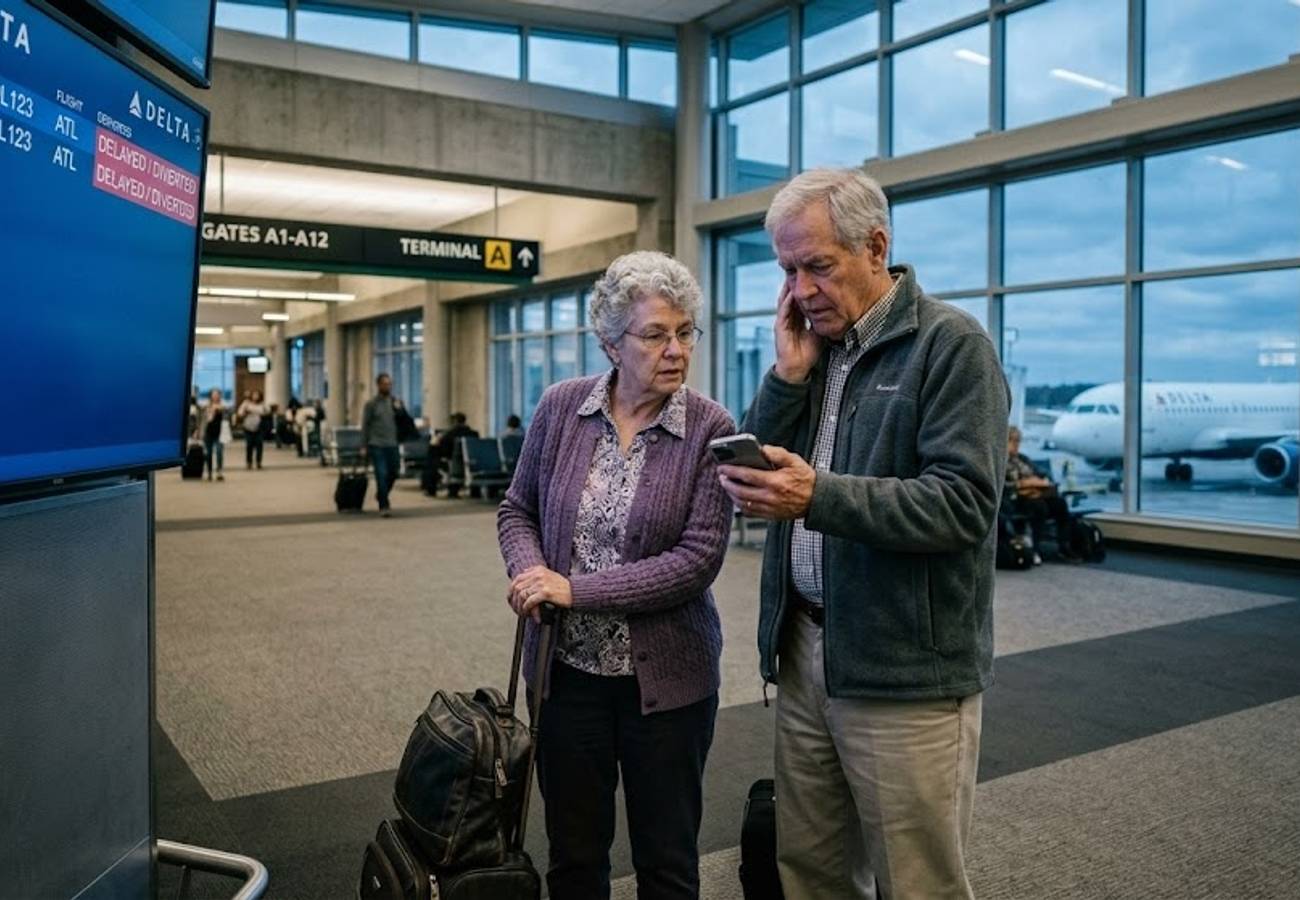
Image generated by AI
When Delta Air Lines flight DL2992 unexpectedly touched down in Greensboro instead of Raleigh-Durham on July 28, 2026, it turned a routine 55-minute delay into an unplanned introduction to North Carolina’s regional aviation network.
The Local Trend Revealed: The Rise of the Secondary Hub
On Tuesday, 28 July 2026, Delta Air Lines flight DL2992 (DAL2992) provided a textbook example of modern aviation flexibility. Operating an Airbus A319 aircraft (registration N346NB), the flight departed Miami International Airport (MIA) from Gate H11 at 6:12 PM EDT—running 16 minutes ahead of schedule. Instead of arriving at Raleigh-Durham International Airport (RDU), the aircraft was redirected to Greensboro, landing safely at Piedmont Triad International Airport (GSO) Gate 27 at 9:48 PM EDT, approximately 55 minutes later than the original schedule.
While the specific reason behind the diversion was not publicly confirmed, standard operational triggers for such route changes include localized weather conditions, technical checks, passenger medical situations, or air traffic restrictions. What stands out is the increasing reliance on secondary regional airports like Piedmont Triad International Airport to absorb operational shocks.
For the modern traveler, the local trend is clear: mega-hubs are no longer the sole focus of domestic route resilience. Regional airports are stepping up as primary relief valves for the US aviation system. GSO was selected because it possesses the runway capacity, operational conditions, and ground support necessary to accommodate an Airbus A319 on short notice. This shift highlights a broader decentralization in domestic travel, where nearby airports play a vital role in maintaining safety standards without entirely derailing passenger itineraries.
Cultural & Environmental Value: Greensboro's Role in Sustainable Aviation
For the visitor, the real impact of a diversion is often measured in frustration, but for the Piedmont Triad region, it represents a moment of economic and cultural exchange. Greensboro serves as a vital node within North Carolina’s aviation network, and its ability to handle unexpected traffic directly supports the local economy.
According to regional tourism and conservation bodies, routing overflow traffic through Piedmont Triad International Airport alleviates the intense carbon footprint and ground congestion typically associated with emergency diversions to heavily saturated mega-hubs. By utilizing existing regional infrastructure, airlines like Delta reduce the need for excessive fuel burns during long airborne holding patterns.
Local heritage associations in Guilford County emphasize that the economic injection from diverted flights—whether through late-night ground transport, hotel accommodations, or local dining—supports community businesses that rely on steady, manageable visitor flows rather than overwhelming seasonal spikes. This aligns with eco-tourism initiatives that promote dispersed, sustainable travel. When airlines coordinate with Greensboro ground teams, they are not just managing a safety protocol; they are actively participating in the regional economic ecosystem, ensuring that tourism dollars reach secondary markets that often fly under the radar.
Visitor Insider Tips: Navigating an Unplanned Greensboro Landing
If you find yourself on a diverted flight landing at Piedmont Triad International Airport, a little local knowledge goes a long way in turning a delay into a manageable layover.
- Off-Peak Terminal Navigation: GSO is highly efficient, but if you land during a cluster of diversions (typically between 8:00 PM and 10:00 PM EDT), head directly to the ground transportation level. The taxi stands and rideshare pickup zones are located just outside baggage claim, bypassing the often-crowded main terminal check-in area.
- Cultural Etiquette: North Carolina hospitality is genuine, but patience is appreciated. Gate agents and local Delta ground crews handling unexpected arrivals are working on the fly. Politeness and having your booking details readily available will expedite any rebooking or hotel voucher process.
- Local Dining Specialties: If you are held overnight, skip the generic chain hotels near the airport and ask your rideshare driver to take you toward downtown Greensboro or nearby High Point. The Piedmont Triad is famous for its Lexington-style North Carolina barbecue. Look for local smokehouses offering pulled pork with a vinegar-based sauce—a stark, flavorful contrast to the tomato-heavy styles found elsewhere.
- Hidden Under-the-Radar Spots: Should your delay extend into the morning, the Greensboro Science Center offers an excellent distraction, combining an aquarium, zoo, and museum. Alternatively, a walk through the Bog Garden at Benjamin Park provides a quiet, eco-friendly escape to decompress from travel stress.
Tourism Outlook: The Long-Term Impact on Regional Destinations
The diversion of Delta Air Lines flight DL2992 from Miami to Greensboro reflects the complex, interconnected nature of modern airline operations. The Miami to Raleigh-Durham route connects critical business and tourism markets, making reliable operations essential. However, the ability to seamlessly redirect an Airbus A319 to Greensboro demonstrates the flexibility built into the aviation network.
Looking ahead, the reliance on airports like Piedmont Triad International will only increase. As domestic air traffic grows and climate-related operational challenges become more frequent, secondary airports will transition from being mere emergency backup options to recognized secondary gateways. This positions the Piedmont Triad region as an emerging destination in its own right, capable of capturing transient tourism and introducing travelers to the cultural depth of central North Carolina.
Through strong airport partnerships and operational planning, airlines can manage disruptions while continuing to prioritize passenger safety and service recovery, ultimately strengthening the resilience of the wider US aviation system.
Unexpected landings often lead to the most authentic regional discoveries.
Related Travel Guides
Disclaimer
This article is for informational and educational purposes only. It does not constitute legal, financial, or professional advice. While we strive to provide accurate and up-to-date information, travel policies, regulations, and conditions change rapidly. Always verify information with official sources before making travel decisions. Nomad Lawyer makes no representations about the accuracy, reliability, completeness, or suitability of the information provided. Readers should consult qualified professionals for advice specific to their circumstances. The views expressed in this article are those of the author and do not necessarily reflect the views of Nomad Lawyer.
Kunal K Choudhary
Co-Founder & Contributor
A passionate traveller and tech enthusiast. Kunal contributes to the vision and growth of Nomad Lawyer, bringing fresh perspectives and driving the community forward.
Learn more about our team →