
Daytona Beach 2026 Waterfront Strategy: New Boardwalk Attraction to Combat Florida Tourism Competition
Daytona Beach is restructuring its historic waterfront with a new Boardwalk attraction to increase visitor dwell time and compete with Florida's evolving coastal tourism markets.

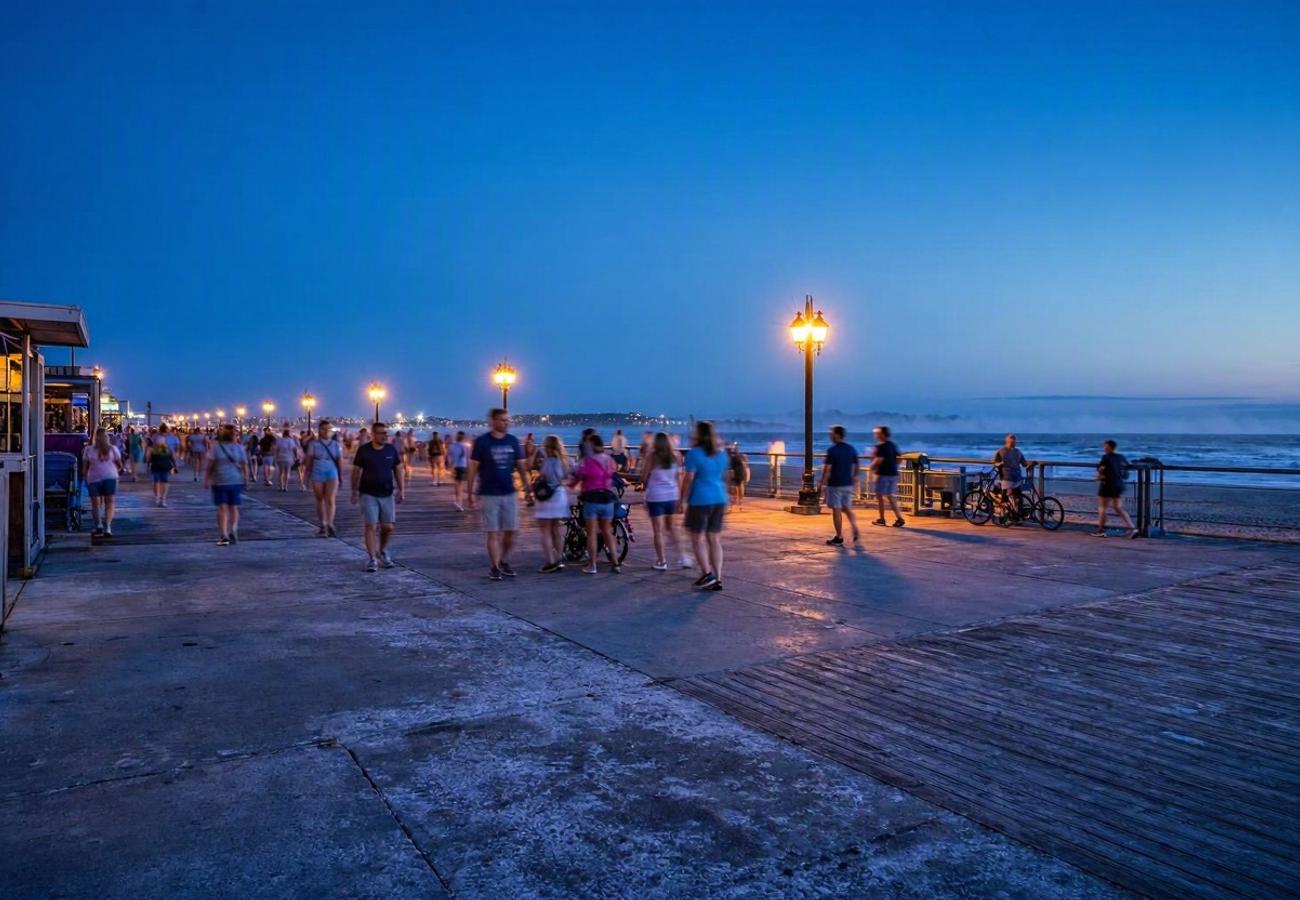
Image generated by AI
23 miles of Atlantic shoreline serve as the primary engine for Daytona Beach's economy, but the city is now pivoting toward a high-density entertainment model to maintain its market share. As Florida's tourism landscape becomes increasingly saturated, city officials are exploring the integration of a new, immersive attraction on the historic Daytona Beach Boardwalk to transition the area from a transit point into a primary destination.
The Shift Toward Immersive Coastal Tourism
The traditional model of coastal tourism—relying primarily on natural assets like beaches—is facing diminishing returns. Modern travelers are shifting toward "experience-based" itineraries, where the value is found in the intersection of local identity, interactive entertainment, and culinary offerings. For Daytona Beach, the Boardwalk has historically provided a baseline of shops, arcades, and the Daytona Beach Bandshell, but these legacy offerings are no longer sufficient to compete with the aggressive expansions seen in Miami, Orlando, and Tampa.
The objective is a strategic increase in "dwell time." When a visitor spends four hours on a boardwalk rather than two, the secondary economic impact on local hospitality and retail sectors scales exponentially. This move is a direct response to the evolving standards of the Florida Department of Economic Opportunity, which emphasizes the need for diversified tourism products to ensure year-round economic stability.
Daytona Beach Asset Distribution and Infrastructure
To understand why a new Boardwalk attraction is necessary, one must look at the current distribution of the city's tourism assets. The city operates on a dual-track identity: the high-adrenaline motorsports sector and the leisure-based coastal sector.
| Asset Category | Primary Attraction | Core Value Proposition | Target Demographic |
|---|---|---|---|
| Motorsports | Daytona International Speedway | Racing heritage, Daytona 500 | Sports enthusiasts, Global tourists |
| Coastal | 23-Mile Shoreline | Swimming, surfing, beach driving | Families, Nature seekers |
| Cultural | Daytona Beach Bandshell | Live performances, community events | Local residents, Cultural tourists |
| Commercial | Historic Boardwalk | Retail, arcades, oceanfront dining | Short-term visitors, Day-trippers |
Expert Analysis: The Economics of Waterfront Competition
For travelers and investors, the push for a new Boardwalk attraction is a signal of "destination anxiety" within the Florida market. Daytona Beach possesses a unique competitive advantage—the synergy between the Daytona International Speedway and the coast—but this synergy is currently fragmented.
The direct consequence of this development is a projected shift in pricing and accessibility. As the city invests in "premium" attractions, we can expect a transition toward more structured, paid experiences rather than the organic, free-roaming nature of the current beach experience. For the traveler, this means a more polished, family-friendly environment, but it may also lead to increased congestion and a rise in surrounding hotel rates as the area's "attraction density" grows.
The pricing pressure created by this expansion will likely force smaller, independent retailers on the Boardwalk to either modernize their offerings or face displacement by larger, corporate entertainment entities. From a logistical standpoint, the success of this project hinges entirely on transportation. If the city cannot solve the "last mile" problem—connecting the Speedway crowds to the Boardwalk without gridlocking the coastal roads—the new attraction will suffer from accessibility bottlenecks.
Key Takeaways
- Dwell Time Strategy: The new Boardwalk attraction is designed specifically to extend the duration of visitor stays, directly benefiting local hotels and restaurants.
- Market Diversification: By blending motorsports heritage with modern waterfront entertainment, Daytona Beach aims to reduce its reliance on seasonal beach crowds.
- Infrastructure Pressure: Success depends on upgrading parking and transit connectivity to handle the influx of family-oriented tourism.
- Competitive Positioning: The project is a defensive maneuver against the growing dominance of other Florida hubs like Clearwater and Key West.
FAQ: Daytona Beach Tourism 2026
Will the new Boardwalk attraction be free for visitors? While beach access remains public, new specialized attractions typically involve admission fees or "pay-per-experience" models to fund the infrastructure and maintenance of the waterfront district.
How does the Daytona International Speedway affect beach tourism? The Speedway brings massive global crowds for events like the Daytona 500, creating peak demand periods that stress local hotel capacity and transportation networks.
Is Daytona Beach suitable for family travel in 2026? Yes. The city is actively pivoting toward family-centric infrastructure, combining safe public spaces, educational experiences, and diversified dining options to attract multi-generational travelers.
What are the best activities in Daytona Beach beyond the Boardwalk? Visitors can utilize the 23 miles of shoreline for surfing and beach driving, or visit the Speedway for tours and racing events throughout the year.
The battle for the Florida coast is no longer about who has the whitest sand, but who has the most engaging experience.
Related Travel Guides
Disclaimer
This article is for informational and educational purposes only. It does not constitute legal, financial, or professional advice. While we strive to provide accurate and up-to-date information, travel policies, regulations, and conditions change rapidly. Always verify information with official sources before making travel decisions. Nomad Lawyer makes no representations about the accuracy, reliability, completeness, or suitability of the information provided. Readers should consult qualified professionals for advice specific to their circumstances. The views expressed in this article are those of the author and do not necessarily reflect the views of Nomad Lawyer.
Preeti Gunjan
Contributor & Community Manager
A passionate traveller and community builder. Preeti helps grow the Nomad Lawyer community, fostering engagement and bringing the reader experience to life.
Learn more about our team →