
Darecation Travel Boom: Why Ladakh, Uttarakhand & Himachal Pradesh Are Replacing Luxury Resorts With High-Altitude Adventure in 2026
Adventure tourism is surging across India's Himalayas as travelers ditch comfort vacations for challenging treks, mountain expeditions, and personally transformative experiences in remote destinations.

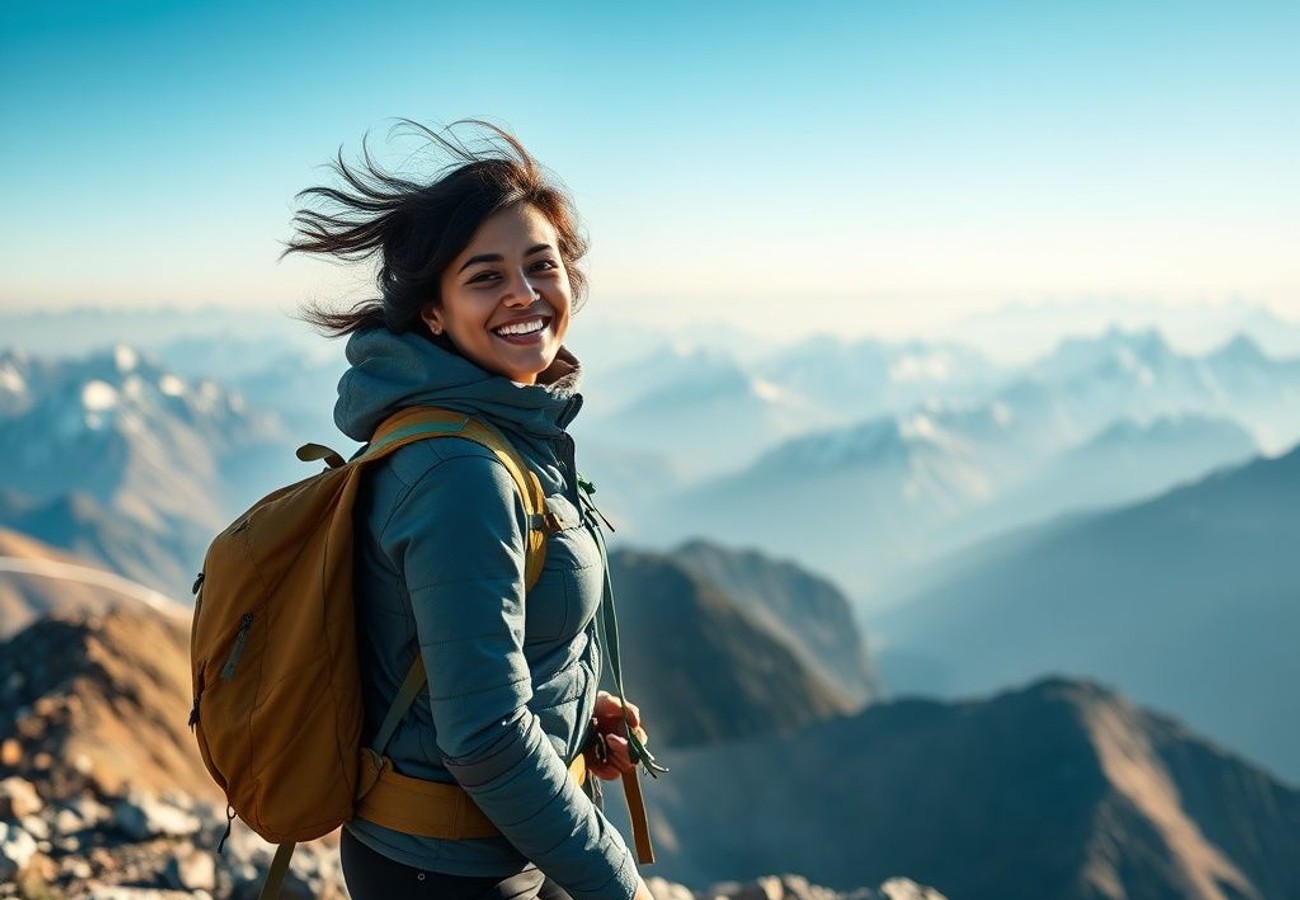
Image generated by AI
The Holiday Revolution Nobody Saw Coming
Something seismic is happening in global travel patterns. Luxury resorts are losing their grip. Darecation travel—a portmanteau blending "dare" and "vacation"—is redefining what holidays mean to an entire generation of adventurers.
From the windswept passes of Ladakh to the treacherous alpine routes of Uttarakhand and the dense forests of Himachal Pradesh, travelers are abandoning plush mattresses and spa treatments for something far more dangerous: themselves. They're trading comfort for challenge, relaxation for endurance, and passive observation for active conquest.
The shift isn't subtle. It's a complete inversion of the travel value proposition.
Reddit: "I spent three days trekking at 14,000 feet in Ladakh and came home more fulfilled than I ever did lounging at five-star resorts. The altitude nearly broke me, but that's exactly why it changed me." — r/travel
What Exactly Is Darecation?
Darecation isn't a luxury wellness retreat. It's a multi-day mountain expedition. It's navigating remote landscapes where cell service dies. It's arriving at a summit knowing your legs will ache for a week and feeling genuinely proud about it.
Modern travelers—particularly millennials and Gen Z visitors—are no longer measuring vacation success by thread count or Michelin stars. They're measuring it by personal growth, physical achievement, and authenticity.
The economics are fascinating. While luxury tourism focuses on comfort as the primary value driver, adventure tourism sells transformation. The trek isn't the destination; the person you become during the trek is.
This mindset shift has profound implications for India's tourism sector. According to industry analyses of adventure tourism growth, outdoor-based travel experiences now constitute one of the fastest-growing segments globally, with mountain destinations consistently outperforming traditional resort locations in year-over-year visitor increases.
Why Ladakh Has Become Ground Zero
Ladakh isn't easy to reach. That's precisely why adventurous travelers are arriving in record numbers.
The region's high-altitude environment—many trekking routes exceed 13,000 feet—presents legitimate physical challenges. The Chadar Trek, traversing a frozen river at bone-chilling temperatures. The Markha Valley Trek, offering eight days of unforgiving terrain. Multi-day mountain biking expeditions across passes that test every fiber of endurance.
What makes Ladakh different from conventionally marketed destinations is this: there's real risk involved. Not Instagram-friendly danger, but genuine altitude sickness, genuine exhaustion, genuine moments where travelers question their decisions.
And that's exactly what draws them.
Local Ladakhi communities have noticed. Villages along major trekking corridors report that guide services, porter networks, and homestay operations are thriving as never before. Adventure tourism has become an economic lifeline for regions that previously relied solely on seasonal pilgrimage traffic.
Uttarakhand: The Trekking Powerhouse
Uttarakhand has quietly become India's adventure tourism headquarters.
The state hosts some of the country's most established trekking infrastructure combined with genuinely challenging terrain. The Roopkund Trek—a high-altitude mystery trek leading to a glacial lake ringed with skeletal remains—has become legendary among serious hikers. The Auli region, popular for skiing and alpine trekking, attracts winter adventurers.
More significantly, Uttarakhand's accessibility matters. Unlike Ladakh, which requires acclimatization time and specialized logistics, Uttarakhand's major treks are reachable from metropolitan centers within 24 hours. This democratizes adventure tourism, allowing mid-range earners to participate in genuinely challenging experiences.
Local tourism authorities have responded by strengthening safety protocols, licensing adventure operators, and improving trail infrastructure. The emphasis remains on challenge, but with professional management frameworks that reduce unnecessary risk.
Himachal Pradesh: The Accessible Frontier
Himachal Pradesh represents the middle ground—adventure without requiring expedition-level preparation.
The state's diverse geography creates options. Paragliding in Bir-Billing. Multi-day treks through alpine meadows. River rafting on mountain torrents. Cycling routes through the Spiti Valley. The variety means travelers of different skill levels can participate in darecation experiences without requiring mountaineering credentials.
Crucially, Himachal has invested in tourism infrastructure that supports growth while maintaining environmental standards. This balanced approach has made the state attractive to both adventure operators and conservation-minded travelers.
The Mainstream Moment
Adventure tourism is no longer niche. It's mainstream.
This represents a fundamental shift in India's tourism positioning. For decades, international tourism boards marketed India through spiritual experiences and luxury heritage properties. Today, the growth curve belongs to physical challenge, environmental immersion, and personal achievement.
Tourism authorities across the Himalayas have recognized this shift. Government initiatives now actively promote adventure tourism as a strategic priority. Mountain states are investing in operator training, safety certification programs, and infrastructure improvements designed specifically for trekking and outdoor exploration.
The numbers support this pivot. According to recent tourism data, adventure and outdoor tourism experiences consistently demonstrate higher traveler satisfaction scores and stronger repeat visitation rates compared to traditional resort-based holidays.
Economic Impact: Beyond the Tourist Dollar
Darecation travel's greatest impact may be how it distributes tourism revenue across rural economies.
A luxury resort concentrates spending in a single location, channeling tourism dollars to corporate management and urban employees. A multi-day trek disperses spending across villages—porter payments, guide fees, homestay accommodations, local meal purchases, transportation services.
Rural communities are emerging as direct beneficiaries of this tourism model. Entire villages now depend on trekking season income. Local youth increasingly pursue guide certification as a career path. Women's collectives operate homestays and food services specifically designed for adventure travelers.
This economic distribution has secondary benefits. It reduces migration pressure toward urban centers by creating viable rural employment. It encourages young people to stay within mountain communities rather than seeking city-based opportunities.
The Sustainability Question
The explosive growth of adventure tourism has triggered legitimate environmental concerns.
High-traffic trekking routes show visible wear—eroded trails, trampled vegetation, waste accumulation. Himalayan ecosystems are exceptionally fragile. Increased foot traffic directly threatens alpine meadows and sensitive wildlife habitats.
Smart destinations are responding. Trail capacity limits are being implemented. Seasonal closures allow ecosystems to recover. Traveler education programs emphasize Leave No Trace principles. Some regions now require travelers to use certified waste management services.
The encouraging sign: darecation travelers themselves are increasingly conservation-minded. People who spend days in wilderness ecosystems develop visceral appreciation for environmental protection. Many return home as advocates for conservation funding and policy changes.
Safety Infrastructure as Competitive Advantage
As accident rates in adventure tourism occasionally attract negative headlines, safety has become a crucial differentiator between destinations.
States that invest in safety infrastructure gain competitive advantage. This means licensing rigorous adventure operators, training guides to international standards, implementing rescue protocols, and maintaining trail conditions to professional standards.
Uttarakhand and Himachal Pradesh have begun implementing these frameworks. The cost is significant, but the alternative—incidents that damage destination reputation—is far costlier.
Insurance products have also evolved. Adventure travel insurance now specifically covers high-altitude trekking, mountaineering activities, and remote rescue operations. This allows risk-conscious travelers to participate with financial confidence.
The Psychological Dimension
Here's what tourism boards don't usually discuss: darecation travel serves a psychological function that luxury vacations never could.
In contemporary life, many professionals operate in controlled, climate-regulated environments where physical risk is eliminated. Adventure travel restores a sense of personal capability by creating situations where you face genuine challenges and overcome them.
A trek where you arrive at a mountain pass struggling for breath in thin air, where you're genuinely uncertain if you can continue, and then you do continue—that experience produces psychological benefits that spa treatments cannot replicate.
This explains the testimonials. Travelers don't describe darecation holidays in the language of relaxation. They describe them as transformative. As life-altering. As the moment they discovered they were stronger than they realized.
What's Next for Himalayan Tourism
The darecation trend will only accelerate. Several factors support this projection.
First, younger travelers have grown up with fewer barriers to information. They can access trail reviews, difficulty ratings, and safety records instantly. This transparency builds confidence for participation.
Second, the post-pandemic workforce has embraced remote work and flexible schedules, allowing multi-week adventure trips that were previously logistically impossible for office-bound professionals.
Third, climate change is creating urgency. Travelers increasingly want to experience alpine environments now, before they're transformed by warming temperatures. This urgency drives booking decisions.
For Ladakh, Uttarakhand, and Himachal Pradesh, these trends represent extraordinary opportunity. But only if managed carefully.
The critical challenge: scaling adventure tourism without destroying the environmental and cultural resources that attract travelers in the first place.
Destinations that successfully balance visitor growth with conservation, that invest in operator professionalism and safety standards, and that ensure economic benefits reach rural communities will thrive. Those that attempt to maximize short-term extraction will eventually face ecosystem degradation and negative reviews that destroy competitive positioning.
The smart money is on thoughtful expansion.
The holiday industry is undergoing a fundamental values shift—and the winners will be destinations that understand that modern travelers don't want to escape life anymore; they want to live it more intensely than ever.
Related Travel Guides
Disclaimer
This article is for informational and educational purposes only. It does not constitute legal, financial, or professional advice. While we strive to provide accurate and up-to-date information, travel policies, regulations, and conditions change rapidly. Always verify information with official sources before making travel decisions. Nomad Lawyer makes no representations about the accuracy, reliability, completeness, or suitability of the information provided. Readers should consult qualified professionals for advice specific to their circumstances. The views expressed in this article are those of the author and do not necessarily reflect the views of Nomad Lawyer.
Kunal K Choudhary
Co-Founder & Contributor
A passionate traveller and tech enthusiast. Kunal contributes to the vision and growth of Nomad Lawyer, bringing fresh perspectives and driving the community forward.
Learn more about our team →